





Just How Dry Has It Been?
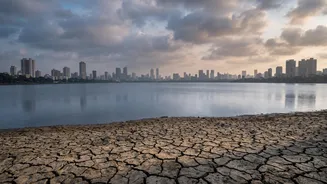
The numbers confirm what many have felt. This August has been significantly drier than usual for Mumbai. According to data from the India Meteorological Department (IMD), the rainfall received in the city up to August 25th was just 302.3 mm. To put that
in perspective, it's a fraction of the 1054.2 mm recorded during the same period last year. Another climate monitor noted that the total precipitation for the month was only about 50% of the normal amount of 561 mm. While the overall monsoon season total for Mumbai might still be close to average thanks to earlier rains, this significant dip in a peak monsoon month is noticeable and has raised concerns across the city.
The Immediate Cause: A Weak Monsoon Phase
Meteorologists point to a combination of factors for the current dry spell. The IMD and other weather agencies had already forecast a 'below normal' monsoon for August across much of the country, partly influenced by a strengthening El Niño in the Pacific Ocean. El Niño is a climate pattern characterized by unusually warm sea surface temperatures that can disrupt global weather, often leading to weaker monsoon winds and suppressed rainfall over India. Weather systems that typically form in the Bay of Bengal and travel across the country, bringing rain to Maharashtra, have either been weak or have tracked further north, leaving Mumbai and the Konkan coast with less rain than expected.
A Blip or a Long-Term Trend?
This is the critical question. While one dry month doesn't automatically signal a permanent shift, it aligns with what climate scientists have been warning about for years. Climate change is fundamentally altering the behaviour of the Indian monsoon. The emerging pattern is not necessarily less rain overall, but more erratic and extreme rainfall. This means longer dry spells punctuated by intensely heavy downpours, rather than the steady, consistent rainfall of past decades. A warmer atmosphere can hold more moisture, leading to more powerful deluges when conditions are right, but it can also disrupt the delicate atmospheric balance that drives the monsoon, causing it to sputter.
The Climate Change Connection
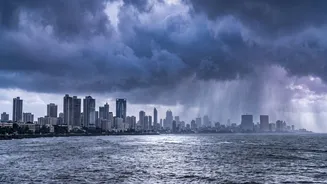
Experts increasingly see the fingerprint of climate change in the monsoon's changing personality. A 2021 study highlighted that for every degree Celsius of warming, monsoon rainfalls could increase by about 5%, but in a more chaotic and unpredictable manner. Rapid warming of the Arabian Sea provides more fuel for intense rain, but global warming also affects larger wind patterns. The result is what Mumbai and other parts of India have been experiencing: seasons that swing wildly between deficits and deluges. July might see record-breaking floods, while August experiences a worrying dry spell, making water management and urban planning incredibly challenging.
What Does This Mean for Mumbai?
The implications of a more volatile monsoon are serious. For a city like Mumbai, which depends on monsoon rains to fill the lakes that supply its drinking water, extended dry periods can raise concerns about water security. Conversely, when the rains do come, they are often so intense that the city's drainage infrastructure is overwhelmed, leading to the familiar scenes of flooding and disruption. This 'all or nothing' rainfall pattern puts immense pressure on civic authorities and demands a new approach to urban resilience, from protecting water sources to redesigning storm water drain systems to handle sudden, massive volumes of water.