


The Sourdough Story So Far
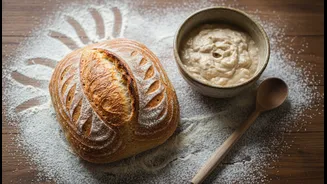
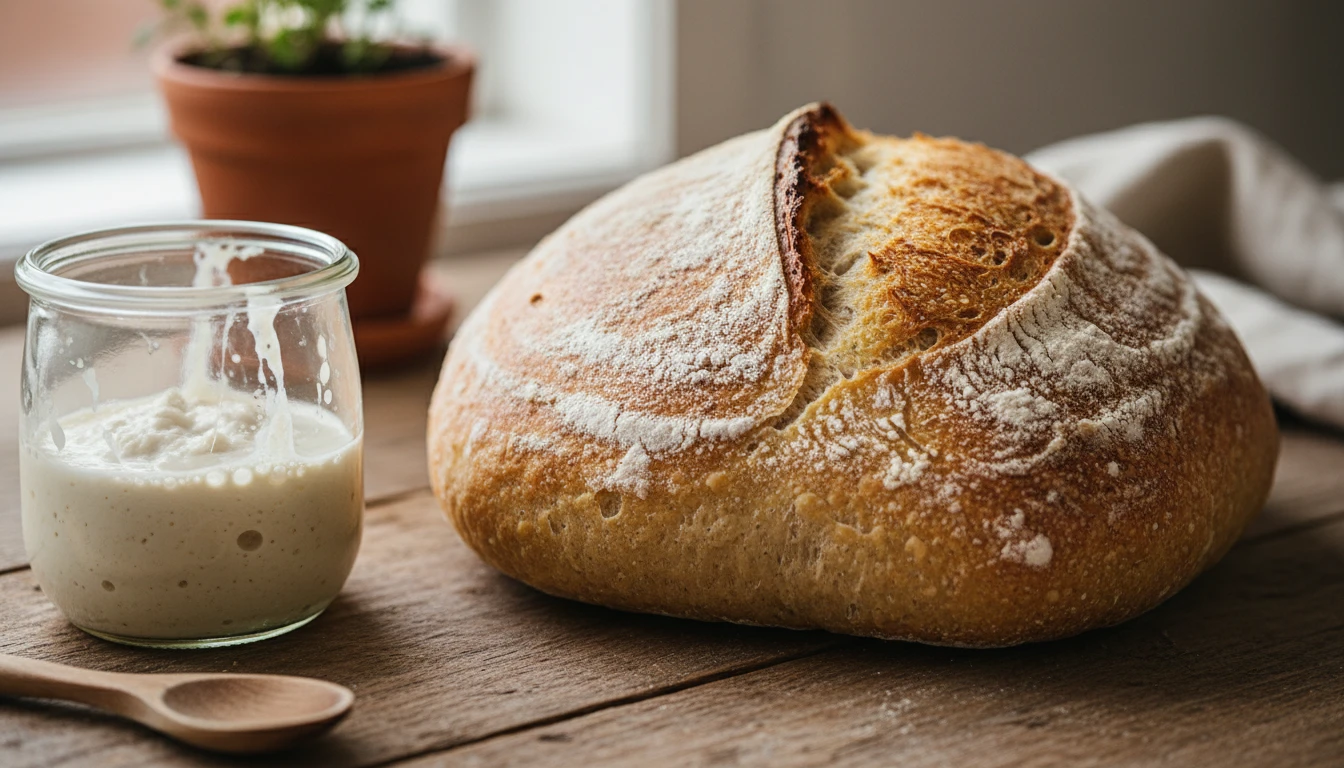
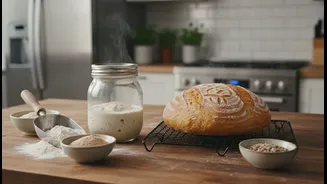
Not long ago, kitchens across India and the world were filled with the tangy scent of new sourdough starters. It was a hobby that offered a comforting rhythm during uncertain times—a slow, tangible process of creation in a fast-paced digital world. Nurturing
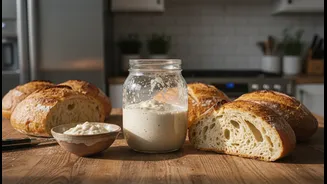
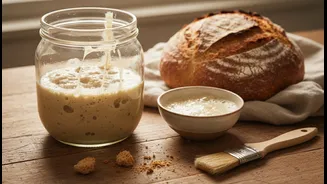
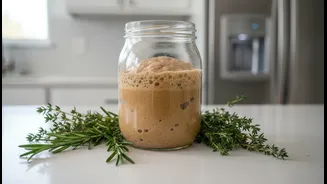
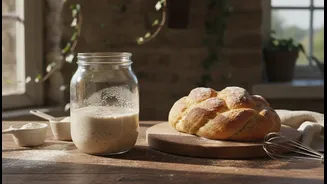
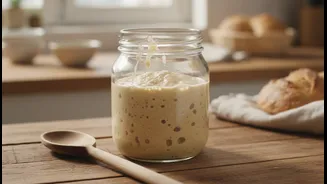
a starter, a living culture of flour and water, became a mindful practice. The prize was a beautiful, rustic loaf of bread, made with nothing more than flour, water, salt, and time. But every sourdough baker soon confronts a fundamental dilemma: to keep the starter healthy and active, you must regularly discard a portion of it before each feeding. This ensures the yeast and bacteria have a fresh environment to thrive, preventing the starter from becoming sluggish and overly acidic.
The Zero-Waste Problem: What is Discard?
For anyone conscious of waste, the term "discard" is jarring. Throwing away a perfectly good mixture of flour and water—often daily—feels inherently wasteful. This discarded portion is an unfed, inactive starter. While it lacks the leavening power to make a high-rising bread on its own, it's packed with the complex, tangy flavour that makes sourdough unique. Initially, many new bakers would simply toss it, feeling a pang of guilt. This created a tension between the joy of baking and the growing awareness around food waste, a significant concern for younger generations who often dislike throwing away food.
From Waste to Wonder: The Rise of Eco-Baking
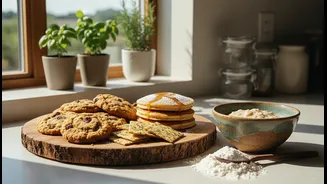
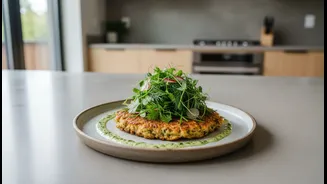
This is where eco-baking comes in. Instead of viewing discard as waste, a generation of home cooks began to see it as a valuable ingredient, or a "surplus." This shift in perspective unlocked a world of culinary creativity. The internet, particularly social media and food blogs, became flooded with thousands of recipes designed specifically to use up sourdough discard. Crackers, pancakes, waffles, biscuits, and even pizza crusts became popular ways to give discard a second life. This practice perfectly aligns with the zero-waste philosophy, which is less about achieving perfection and more about making conscious, incremental changes to reduce waste. It mirrors a long-standing tradition in Indian households of using leftovers and ensuring nothing is wasted, now updated for the modern kitchen.
A Millennial Mindset: Purpose and Passion
The appeal of baking with discard goes beyond just being resourceful. For many millennials, it hits a sweet spot, combining several core values. Firstly, there is the powerful draw of sustainability. This generation shows a strong preference for brands and practices that are environmentally responsible. Using discard is a small but tangible way to live out those values in daily life. Secondly, it champions authenticity and a do-it-yourself (DIY) spirit. In an era of mass production, creating something delicious from what would have been thrown away offers a deep sense of satisfaction and control. Finally, the results are highly shareable. A photo of golden-brown sourdough discard crackers or a fluffy stack of discard pancakes is not just food; it's a statement about creativity, resourcefulness, and mindful living.
More Than Just Food: A Community of Creators
The movement to use sourdough discard has also fostered a vibrant online community. Bakers from around the world share tips, troubleshoot recipes, and celebrate their creations. This digital camaraderie turns a solitary kitchen activity into a shared experience. From sourdough chocolate cake to granola, the list of inventive uses for discard continues to grow, driven by collective experimentation. This communal aspect reinforces the idea that sustainable practices don't have to be about deprivation. Instead, the challenge of using discard has led to an explosion of flavour and innovation, proving that being eco-conscious can be both delicious and deeply rewarding. It’s a modern take on age-old wisdom, perfectly suited for a generation eager to bake a better world, one discard recipe at a time.