





The New 'Mini-Vacation' Mindset
The traditional annual vacation, planned months in advance, is losing its dominance. Instead, millennials and Gen Z are embracing a “mini-vacation mindset,” opting for multiple short trips over one long holiday. Recent travel reports indicate a strong
preference for shorter, more frequent getaways, with a majority of young travellers planning one to six trips a year, most lasting between one and seven days. This change is driven by a desire for experiences over possessions and a need for regular mental resets from high-pressure work environments. Travel is no longer a once-a-year event but an integral part of their lifestyle, a spontaneous response to a free weekend or the need to de-stress.
Flexible Work and the 'Bleisure' Boom
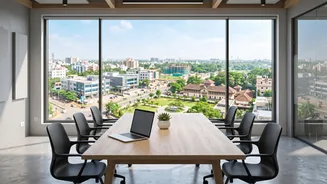
The rise of remote and hybrid work models has been a significant catalyst. Flexible schedules allow young professionals to extend business trips into leisure time—a trend known as 'bleisure'—or simply work from a scenic location. This flexibility makes it easier to take a day or two off around a public holiday, turning a three-day weekend into a four or five-day escape without eating into annual leave. As a result, companies are also beginning to see the benefits, with some endorsing bleisure travel as a way to improve employee morale and retention. This blend of work and leisure is becoming a standard feature of modern corporate travel in India.
Where Are They Headed?
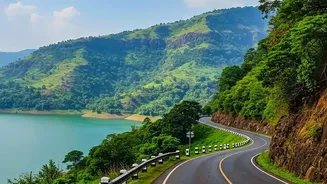
Accessibility is key when it comes to weekend trips. Destinations within a five-to-six-hour travel radius by car, train, or a short flight are the most popular. For those in Delhi, places like Jaipur, Rishikesh, and Kasauli are top choices. Professionals in Mumbai often escape to Lonavala, Khandala, or Alibaug, while Coorg and Pondicherry are favourites for people in Bengaluru. Beyond these classics, there's a growing interest in offbeat destinations and homestays that offer unique, authentic experiences. The focus is less on ticking off landmarks and more on cultural immersion, exploring local cafes, and enjoying nature.
Experiences Over Extravagance
This new generation of travellers prioritises what they do over where they stay. According to a 2026 travel report, experiences like exploring different cultures and outdoor activities are primary motivators for trips. While relaxation is still important, young travellers are spending their money on unique activities, be it a bike tour, a wellness retreat, or simply discovering local food scenes. They are savvy planners, using digital platforms to find deals and often opting for budget-friendly stays to make their travel funds stretch further. This experience-first approach means travel is becoming more personal and a reflection of individual identity and interests.
A Nationwide Phenomenon
This trend isn't limited to metropolitan hubs. Better connectivity and rising disposable incomes have empowered young people from Tier-2 and Tier-3 cities to join the weekend travel boom. In fact, some reports show a sharper rise in travel enthusiasm from cities like Surat, Jaipur, and Mohali compared to metros. This democratisation of travel is having a significant impact on the domestic tourism economy, distributing tourist traffic more evenly throughout the year and encouraging the growth of new destinations. It signals a lasting cultural shift where short, rejuvenating breaks are seen as a necessity for maintaining work-life balance.