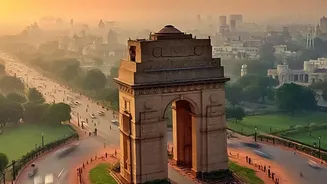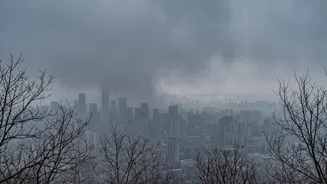






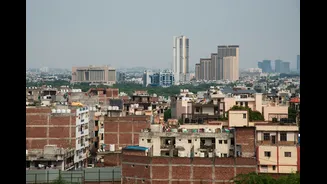
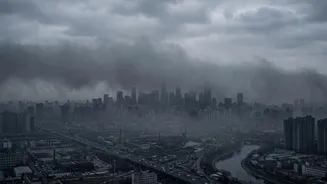
A thick, grey haze has once again descended upon Delhi, pushing the Air Quality Index (AQI) into the 'very poor' and 'severe' categories. This annual crisis is more than just a number; it's a public emergency affecting every part of daily life in the capital.
A City Shrouded in Smog
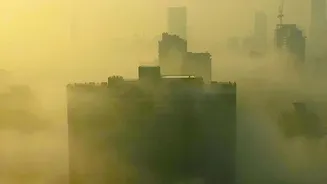
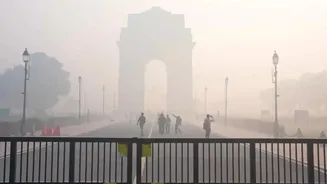
The most immediate and visible sign of Delhi's pollution is the dramatic drop in visibility. A thick blanket of smog, a toxic cocktail of fog and pollutants like PM2.5, has engulfed the city, obscuring landmarks and making the skyline disappear. On Thursday, several parts of the city woke up to thick smog that significantly reduced visibility during the early morning hours. This phenomenon occurs when tiny pollutant particles scatter and absorb light, creating a murky haze that can feel disorienting and apocalyptic. For residents, the simple act of looking out the window has become a grim reminder of the air they are forced to breathe.
Travel Grinds to a Halt
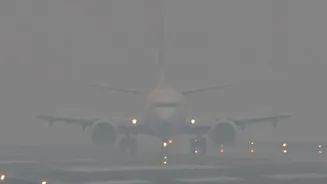
The low visibility has a direct and crippling effect on travel. Flight operations at Delhi's Indira Gandhi International (IGI) Airport have been significantly disrupted. In the days following Diwali, nearly half of all scheduled departures faced delays as the airport was forced to activate its Low Visibility Procedures (LVP). Even with advanced CAT-III technology that allows some planes to operate in dense fog, the sheer volume of air traffic combined with reduced runway capacity leads to inevitable backlogs and passenger frustration. It's not just air travel that suffers. The smog also makes road travel hazardous, with authorities urging commuters to allow for extra journey time. Similarly, train operations are frequently disrupted, with dozens of services delayed for hours due to the dangerously poor visibility on the tracks.
A Public Health Emergency
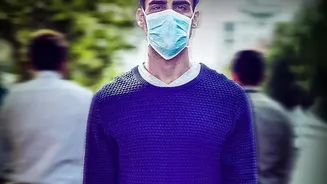
Beyond the inconvenience, the health consequences are severe and widespread. On Thursday, Delhi's overall AQI was recorded in the 'very poor' category at 321, with some areas like IIT Delhi hitting the 'severe' mark at 414. An AQI in the 'very poor' range can lead to respiratory illness on prolonged exposure. Doctors are advising vulnerable groups—including children, the elderly, and those with existing respiratory and heart conditions—to stay indoors as much as possible. Exposure triggers a host of immediate symptoms like itchy eyes, coughing, sore throats, and headaches. Health advisories urge residents to wear N95 masks if they must go out and to use air purifiers at home.
The Long-Term Damage
While the immediate effects are alarming, the long term health risks are even more terrifying. Chronic exposure to high levels of PM2.5 particles can cause irreparable damage. These microscopic pollutants can penetrate deep into the lungs and enter the bloodstream, increasing the risk of chronic obstructive pulmonary disease (COPD), asthma, heart attacks, strokes, and even lung cancer. Studies have also linked air pollution to weakened immune systems, cognitive decline, and mental health issues like anxiety and depression. The constant exposure to toxic air effectively puts the entire population at a higher risk for a wide range of chronic and life threatening diseases, turning the simple act of breathing into a long term health hazard.
Official Response and Daily Disruptions
In response to the crisis, authorities have implemented Stage III of the Graded Response Action Plan (GRAP), which includes a ban on non essential construction and demolition activities and restrictions on certain types of vehicles. However, these measures often feel like a temporary fix to a deep rooted problem. The pollution disrupts all aspects of life. Schools have been forced to close or shift to online classes, private offices have been advised to allow employees to work from home, and the livelihoods of outdoor workers are severely impacted. The pervasive pollution erodes the quality of life, forcing millions to choose between their health and their daily responsibilities.