




A Festival Rooted in Place
The Masula Beach Festival, held on the historic shores of Machilipatnam, was conceived as more than just another gathering. Organised by the state government, the multi-day event aimed to transform the coast into a hub of activity, drawing an estimated
1.2 to 1.5 million visitors. While it featured modern attractions like adventure sports, including paragliding and sea kayaking, its core identity was deeply intertwined with the region's heritage. This wasn't a generic beach party airlifted onto a stretch of sand; it was a celebration of Machilipatnam's specific history as an ancient port city and a showcase of Andhra Pradesh's wider cultural wealth. The slogan championed by officials, “This is our village, our festival,” captured this ethos perfectly, inviting widespread local participation and ownership.
Weaving Culture into the Experience
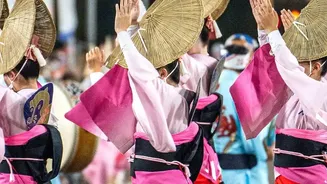
The festival's success came from its deliberate integration of local culture. Over 100 stalls were set up not just for commerce, but to celebrate Telugu traditions. Visitors could find regional delicacies like the famous Bandar Laddu and Bandar Halwa, offering a true taste of the place. Beyond food, the event became a living museum of local arts. Stalls featured the intricate patterns of Kalamkari textiles, a craft synonymous with Machilipatnam, alongside Kondapalli toys and Lepakshi handicrafts. This focus on tangible heritage provided a richer experience than standard commercial stalls. Furthermore, cultural programmes featuring Kuchipudi dance and local folk music gave attendees a direct connection to the artistic soul of Andhra Pradesh, making the festival a platform for cultural preservation, not just entertainment.
The Problem with 'Copy-Paste' Events
The Masula festival stands in sharp contrast to a growing number of destination events that lack a distinct identity. Many large festivals, particularly in the music and lifestyle space, follow a predictable formula: a big-name lineup, trendy food trucks, and Instagrammable installations. While popular, these events are often criticised for feeling disconnected from their host locations. They could happen anywhere, and in doing so, they miss an opportunity to create a unique, memorable experience. This generic approach can lead to audience saturation, where everything is branded as unmissable, yet nothing feels truly special. By prioritising a universal template over local flavour, organisers risk creating events that are commercially viable but culturally empty, failing to provide the authentic connection many travellers now seek.
A Blueprint for Authentic Tourism
The Masula Beach Festival offers a clear and replicable blueprint for the future of destination events in India. The key takeaway is that embedding local culture is not a secondary goal but the very foundation of a successful event. By making local artisans, performers, and culinary traditions central to the experience, organisers created something that felt genuine and celebratory. This approach generates significant economic benefits that flow directly into the community, from craftspeople to local food vendors. The festival's overwhelming success and the call from local residents to make it an annual affair highlight the public appetite for such events. It serves as a powerful reminder for tourism boards and event planners nationwide: the most valuable asset a destination has is its own unique culture. Honouring that culture is the surest path to creating an event that resonates deeply and endures.