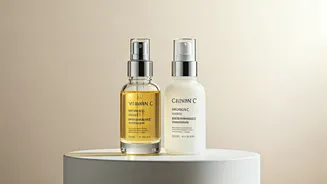









The Myth's Origin Story
For years, skincare enthusiasts have been warned against layering niacinamide and vitamin C. This caution stems from outdated research from the 1960s. In these early studies, pure, non-stabilised forms of the ingredients were combined at very high temperatures,
which caused a reaction that formed nicotinic acid. Nicotinic acid can cause temporary skin redness and a tingling sensation, leading to the belief that the combination was irritating and ineffective. However, these lab conditions do not reflect how modern, stabilised skincare products are formulated or used at home. The science has evolved significantly since then, but the myth has proven surprisingly resilient.
The Modern-Day Reality
Today's skincare formulations are far more sophisticated. Cosmetic chemists use stable forms of both vitamin C (like sodium ascorbyl phosphate or ethyl ascorbic acid) and niacinamide. These advanced formulas are pH-balanced to ensure that both ingredients remain effective and do not cause the reaction seen in those old studies. Dermatologists and chemists now widely agree that it is perfectly safe to combine these two ingredients in a single routine. In fact, many products are now formulated with both vitamin C and niacinamide in the same bottle, designed to deliver their combined benefits without any issues.
The Power of Vitamin C
Vitamin C, often found as L-ascorbic acid, is a potent antioxidant. Its primary role is to protect the skin from environmental stressors like UV rays and pollution, which can cause premature ageing. It is celebrated for its ability to brighten the complexion, reduce hyperpigmentation, and fade dark spots. Furthermore, vitamin C plays a crucial role in stimulating collagen production, which helps keep the skin firm and reduces the appearance of fine lines and wrinkles.
The Versatility of Niacinamide
Niacinamide, a form of vitamin B3, is a true multi-tasker. Its main strength lies in reinforcing the skin's natural barrier, helping it to retain moisture and stay hydrated. This makes it excellent for calming redness and inflammation, which is why it's a go-to for sensitive or acne-prone skin. Niacinamide also helps to regulate oil production, minimise the appearance of pores, and improve overall skin texture. Like vitamin C, it also works to even out skin tone.
Stronger Together: A Synergistic Duo
When used together, niacinamide and vitamin C don't cancel each other out; they offer complementary benefits. Think of them as a team working on different aspects of skin health. Vitamin C provides powerful antioxidant defence against external damage, while niacinamide strengthens the skin's barrier from within. For pigmentation, they are especially effective: vitamin C helps to fade existing dark spots, while niacinamide can help prevent the transfer of pigment within the skin, stopping new spots from becoming as visible. This dual-action approach can lead to a brighter, more even, and resilient complexion faster than using either ingredient alone.
How to Layer Like a Pro
Incorporating both ingredients into your routine is simple. The general rule of skincare application is to go from the thinnest texture to the thickest. Vitamin C serums are typically quite thin and work best on freshly cleansed skin. Therefore, a good morning routine would be to cleanse, apply your vitamin C serum, and then follow up with a niacinamide serum or a moisturiser containing niacinamide. Allow a minute or two between layers for each product to absorb. Alternatively, you can use vitamin C in the morning for its protective antioxidant benefits and use niacinamide at night to help repair and calm your skin. If you have sensitive skin, consider introducing them on alternate days before using them in the same routine.