









The Clampdown on Misleading Claims
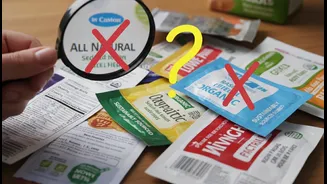
The Food Safety and Standards Authority of India (FSSAI) has intensified its scrutiny of food product labelling, issuing notices to numerous companies for what it calls misleading advertising and claims. In recent weeks, brands have been called out for using
terms like 'Fresh Paneer', '100% Organic', '100% Natural', and 'Premium Chocolate' on products that allegedly don't meet the criteria for such descriptions. For example, notices have questioned products labelled 'fresh' or 'natural' that contain preservatives, and 'premium chocolate' that contains hydrogenated vegetable fat. The actions also target nutraceuticals and health supplements making unverified health claims like "boost your immune system" or displaying a misleading "FSSAI Approved" phrase, clarifying that FSSAI licenses businesses but doesn't approve individual products in this manner. This enforcement drive covers a wide range of products including juices, snacks, dairy products, and supplements, signalling a significant push for transparency.
Why '100%' Is a Red Flag
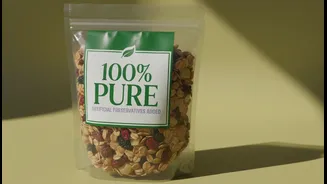
A major focus of the FSSAI's recent actions has been the use of the '100%' claim, particularly on fruit juices. The regulator has stated that there is no provision under its advertising regulations for a '100%' claim and has directed food businesses to remove it from labels of reconstituted fruit juices. The FSSAI's reasoning is that such claims are misleading because the main ingredient in reconstituted juice is water, with the fruit concentrate present in a smaller, limited concentration. Similarly, claims like '100% Organic' or '100% Natural' have come under fire. FSSAI noted that brands were using these labels without having the necessary 'organic' or 'vegan' certifications endorsed on their license, thereby creating a false impression for consumers. The directive is clear: if a brand makes a '100%' claim, it must be able to prove it with verifiable documentation and certification.
Your Guide to Verifying Claims
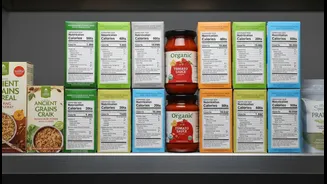
As a consumer, you have the power to make informed choices. The first and most important step is to ignore the flashy claims on the front of the package and turn it over. The ingredients list is your best source of truth. Ingredients must be listed in descending order by weight, so the first few items make up the bulk of the product. If a product claims 'no added sugar' but the ingredients list includes things like cane juice, high-fructose corn syrup, or fruit concentrate, it's a red flag. Also, pay attention to the nutritional information panel, which provides details on calories, fat, protein, and sugar content per serving. This gives you a much clearer picture of the product's health profile than any marketing buzzword.
Decode the FSSAI License Number
Every packaged food product sold in India must display the FSSAI logo and a 14-digit license number. This number is more than just a formality; it’s a tool for transparency. You can use this number to verify the authenticity and details of the food business operator (FBO). Simply visit the FSSAI's official Food Safety Compliance System (FoSCoS) website, find the 'FBO Search' feature, and enter the 14-digit number. The search result will show you the company's name, address, license status (active or inactive), and the category of products it is licensed to produce. This simple check can help you confirm that you're buying from a legitimate, registered business that is accountable to the food safety authorities.
Be Extra Cautious with Supplements
The FSSAI has been particularly strict with health supplements and nutraceuticals making unsubstantiated health claims. Products promising to 'remove toxins' or 'boost immunity' without scientific backing have been flagged. The regulator has also taken issue with products using brand names like 'True Vitamin' or 'Healthy', stating these terms can mislead consumers about the product's benefits. For these categories, it is crucial to look beyond the marketing. Always check for the FSSAI license number and be wary of products that promise miraculous results. When it comes to supplements that can impact your health, it is always best to consult a doctor or a qualified nutritionist for advice tailored to your specific needs.