


Beyond Steps and Heart Rate
For years, wearable fitness technology has focused on metrics like steps taken, calories burned, and heart rate. While useful, these trackers only tell part of the story. They measure your activity, but not your body's intricate internal response to it.
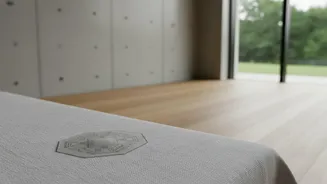
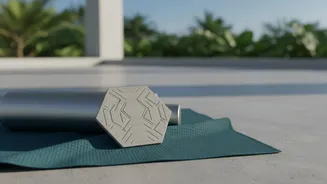
Enter the smart patch: a small, flexible device that adheres to your skin to analyse your sweat in real time. This isn't just about measuring how much you sweat, but understanding its chemical composition. By providing a window into your body’s electrolyte balance, these patches are pushing the boundaries of personalised fitness and helping athletes of all levels train smarter and safer.
The Science of Sweat
Sweat is your body's natural cooling system, but it's far more than just water. It’s a complex fluid that contains a variety of biomarkers, the most critical for performance being electrolytes. Sodium is the main electrolyte lost in sweat, and it plays a vital role in maintaining fluid balance, enabling nerve function, and facilitating muscle contractions. The amount of sodium lost varies dramatically from person to person, and even for the same person depending on the intensity of the workout and the environmental conditions. This is why generic hydration advice often falls short. What works for one person could be too little or too much for another. Analysing sweat directly offers a precise, individualised picture of what your body is losing.
How the Technology Works
Smart patches generally use one of two core technologies to analyse sweat. The first, used by devices like the Gatorade Gx Sweat Patch, employs microfluidics. Sweat is collected and routed through tiny, intricate channels in the patch. As the channels fill, they provide a visual measurement of your sweat rate, while a special indicator uses a colour-changing dye to show the concentration of sodium lost. This type of patch typically provides a summary for you to analyse after your workout by scanning it with a smartphone app. The second approach, found in biosensors from companies like Nix and FLOWBIO, offers real-time analysis. These patches incorporate a reusable electronic pod that clips onto a single-use adhesive layer. The pod contains tiny sensors that continuously measure the electrolyte concentration in your sweat as it's produced. This data is then transmitted wirelessly via Bluetooth to your smartphone or sports watch, giving you live feedback on your fluid and sodium loss rates during your activity.
The Humidity Factor
Tracking sodium is particularly important when exercising in humid conditions, a familiar challenge across India. Humidity cripples the body's primary cooling mechanism: sweat evaporation. When the air is already saturated with moisture, your sweat can't evaporate effectively from your skin. In response, your body works harder and produces even more sweat in an attempt to cool down. This leads to a dangerous cycle of accelerated fluid and electrolyte loss without the corresponding cooling benefit. An athlete might lose one to two litres of fluid per hour in hot, humid weather, taking a significant amount of sodium with it. In these conditions, thirst is often an unreliable indicator of hydration needs, making real-time data from a smart patch incredibly valuable for preventing dehydration and performance decline.
From Data to Action
The ultimate goal of these patches is to provide actionable intelligence. Instead of guessing when or what to drink, an athlete receives personalised prompts. A real-time alert might tell you that your sodium loss is spiking, signalling that it's time to consume an electrolyte drink rather than just water. Over time, the data collected helps you build a highly customised hydration strategy. You can learn how your body responds to different conditions—a high-intensity run in the May heat versus a moderate jog during the monsoon—and plan your fueling accordingly. This proactive approach helps prevent the negative effects of dehydration and electrolyte imbalance, such as muscle cramps, fatigue, dizziness, and in severe cases, a dangerous condition called hyponatremia (low blood sodium).