



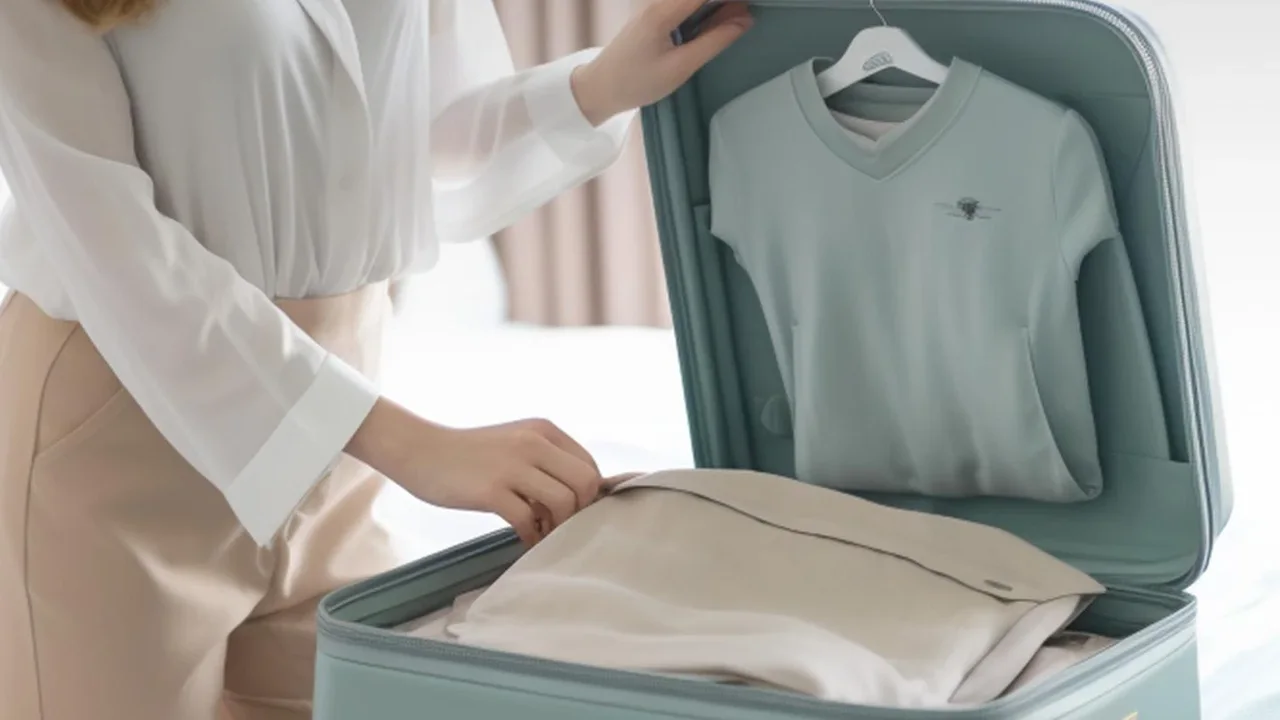
Embrace the Three-Layer System
The foundation of any multi-climate wardrobe is the layering system, a trick long used by hikers and seasoned travelers. Instead of packing bulky, climate-specific outfits, you pack three distinct types of layers that work together. The base layer sits
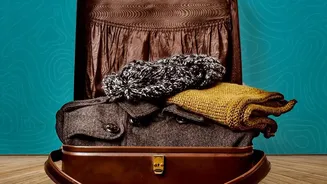
against your skin and manages moisture. For both hot and cold weather, this should be a lightweight, moisture-wicking fabric like merino wool or a synthetic blend—never cotton, which traps sweat and can leave you feeling damp in the heat or cold and clammy in the cold. The mid-layer provides insulation. This is your warmth piece, such as a fleece jacket, a cashmere sweater, or a lightweight down vest. Cashmere and modern down are excellent because they offer incredible warmth for their weight and compress down to a tiny size in your bag. The outer layer, or shell, protects you from wind and rain. A lightweight, waterproof, and breathable jacket is a non-negotiable item. It can be thrown over a t-shirt in a tropical downpour or layered over your fleece and base layer on a cold, windy pass.
Fabric Is Everything
When every item has to earn its place, fabric choice becomes critical. For humid, coastal climates, prioritize breathability. Linen and lightweight cotton are classics, but they wrinkle easily and dry slowly. Modern technical fabrics like Tencel/Lyocell or polyester blends are often superior, as they wick moisture, resist odor, and dry quickly. For the cold, wool is king. Merino wool, in particular, is a travel superstar because it regulates temperature, resists odor for multiple wears, and provides warmth without bulk. Avoid packing heavy denim jeans. Instead, consider travel pants made from a nylon/elastane blend. They're lighter, pack smaller, dry faster, and offer stretch for comfort during long travel days. A neutral color palette (black, grey, navy, tan) ensures every top can be mixed and matched with every bottom, maximizing your outfit combinations.
Building a Versatile Wardrobe
With your layers and fabrics sorted, it's time to choose the specific items. Think multi-purpose. A chambray shirt can be worn buttoned up, open over a tank top, or even as a light layer for sun protection. Convertible pants that zip off into shorts are another classic space-saver for trips involving hiking. For tops, pack a few short-sleeve and one or two long-sleeve base layers in a neutral palette. Add one insulating mid-layer, like a dark-colored fleece or a quarter-zip wool pullover that looks smart enough for a casual dinner. For bottoms, one pair of technical travel pants and one other pair—perhaps stylish, dark-colored leggings or comfortable stretch chinos—should suffice. A single dress or skirt in a wrinkle-resistant fabric like jersey knit can be dressed down for a day of sightseeing or up for an evening out.
The Two-Pair Shoe Solution
Footwear is often the biggest packing challenge, taking up significant space and weight. For most multi-climate trips, you can get by with just two pairs. The first should be a comfortable, sturdy, and waterproof walking shoe or light hiking boot. This is your go-to for travel days, long walks, and any trail excursions. Make sure they are well broken-in before you leave. The second pair should be something lighter that can be dressed up or down. For men, this could be a pair of versatile leather loafers; for women, a pair of comfortable yet stylish flats or sandals. If your itinerary includes a beach, a pair of lightweight flip-flops can be a worthwhile, low-volume addition.
Smart Accessories and Packing Tools
Accessories are the secret weapon of the light packer. A large scarf or a Buff can serve as a neck warmer, a head covering for sun protection, a makeshift mask, or a splash of color for an otherwise neutral outfit. A warm hat and a pair of lightweight gloves take up almost no space but are essential for cold passes. Sunglasses and a swimsuit are other small items with a big impact. When it comes to packing itself, rolling your clothes is generally more space-efficient than folding. However, the real game-changer is using packing cubes. These zippered fabric containers allow you to compress and organize your clothing, separating items by climate or type. This not only saves space but also means you won't have to unpack your entire bag just to find your warm socks.