




Decode the Weather Alerts First
Before you even grab your keys, it's crucial to understand what the alert on your phone means. The India Meteorological Department (IMD) uses a clear, colour-coded system to communicate the severity of expected weather. A 'Green' alert means all is well,
while a 'Yellow' alert is a sign to 'Be Aware' and stay updated, as minor travel disruptions are possible. An 'Orange' alert signals you to 'Be Prepared' for potentially significant disruptions like waterlogging and traffic delays, making it a good time to reconsider non-essential travel. A 'Red' alert means 'Take Action'; this is the highest warning, indicating a severe risk to life and property, and all non-essential travel should be avoided. Understanding these nuances helps you make an informed decision rather than an impulsive one.
Ready Your Vehicle for Wet Roads
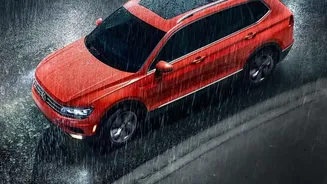
Your car is your first line of defence against the elements, and a pre-monsoon check-up is non-negotiable. Tyres are critical; ensure they have sufficient tread depth to channel water away and prevent hydroplaning, a dangerous situation where your tyres lose contact with the road. Also, check that your tyre pressure is at the recommended level. Inspect your wiper blades and replace them if they're worn out, as clear visibility is paramount. Test all your lights—headlights, taillights, brake lights, and indicators—to ensure you can see and be seen in low-visibility conditions. Finally, have your brakes checked. Wet roads significantly increase your stopping distance, so your braking system needs to be in optimal condition.
Pack a Monsoon Emergency Kit
Even for a short trip, a well-stocked emergency kit can be a lifesaver if you get stranded. Your kit should go beyond the standard first-aid box. Include a powerful torch with extra batteries, a fully charged power bank for your phone, and a car charger. Pack some non-perishable snacks like energy bars and nuts, along with bottled water. A waterproof jacket or raincoat is more practical than an umbrella, as it keeps your hands free. It's also wise to carry some towels, a blanket, and a pair of rubber boots. To protect your electronics and important documents, keep them in waterproof ziplock bags. A little preparation here provides immense peace of mind.
Master Safe Monsoon Driving
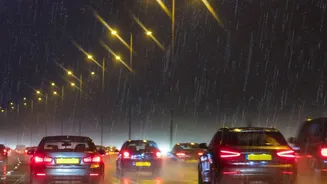
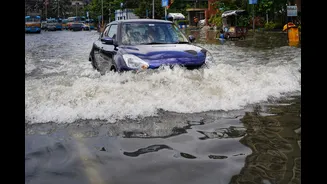
Once on the road, your driving style needs to adapt to the conditions. The most important rule is to slow down. Speed limits are set for ideal, dry conditions. Reducing your speed gives you more time to react and helps maintain traction. Double your following distance from the vehicle in front of you to at least four to five seconds to account for longer braking times. Never use cruise control on wet roads; you need to be in complete control of your speed and acceleration. Be wary of large puddles and waterlogged areas. It's often impossible to tell how deep the water is, and just a few inches can cause your vehicle to stall or lose control. If you find yourself hydroplaning—feeling the steering become light as the car 'floats'—ease your foot off the accelerator and steer straight until you feel the tyres regain grip. Do not slam on the brakes.
Stay Informed While on the Move
Your preparation doesn't end when the journey begins. Use reliable apps to stay updated on the weather and road conditions ahead. The IMD's 'Mausam' app provides real-time weather updates and warnings, while the 'Damini' app specifically alerts you to lightning activity in your vicinity. Don't rely solely on GPS, which might not be aware of recent road closures, landslides, or flooding. Before heading into hilly or remote areas, check with local authorities or forums for the most current information. Sometimes the safest route isn't the shortest one. By staying informed, you can proactively adjust your route and avoid getting caught in a dangerous situation.