
Why Timing is Everything This Month
In astronomy, timing is more than just knowing when it gets dark. The best viewing time for a planet depends on when it rises, when it reaches its highest point in the sky, and how twilight interferes with its visibility. September 2026 is packed with events
that reward planning. The dark nights around the new moon offer a chance to see faint objects, while the full moon provides its own brilliant spectacle. Key planets are also putting on their best displays of the year, but you need to know when to look. A little preparation can be the difference between a quick glance and a truly memorable night under the stars.
A Brilliant Farewell from Venus
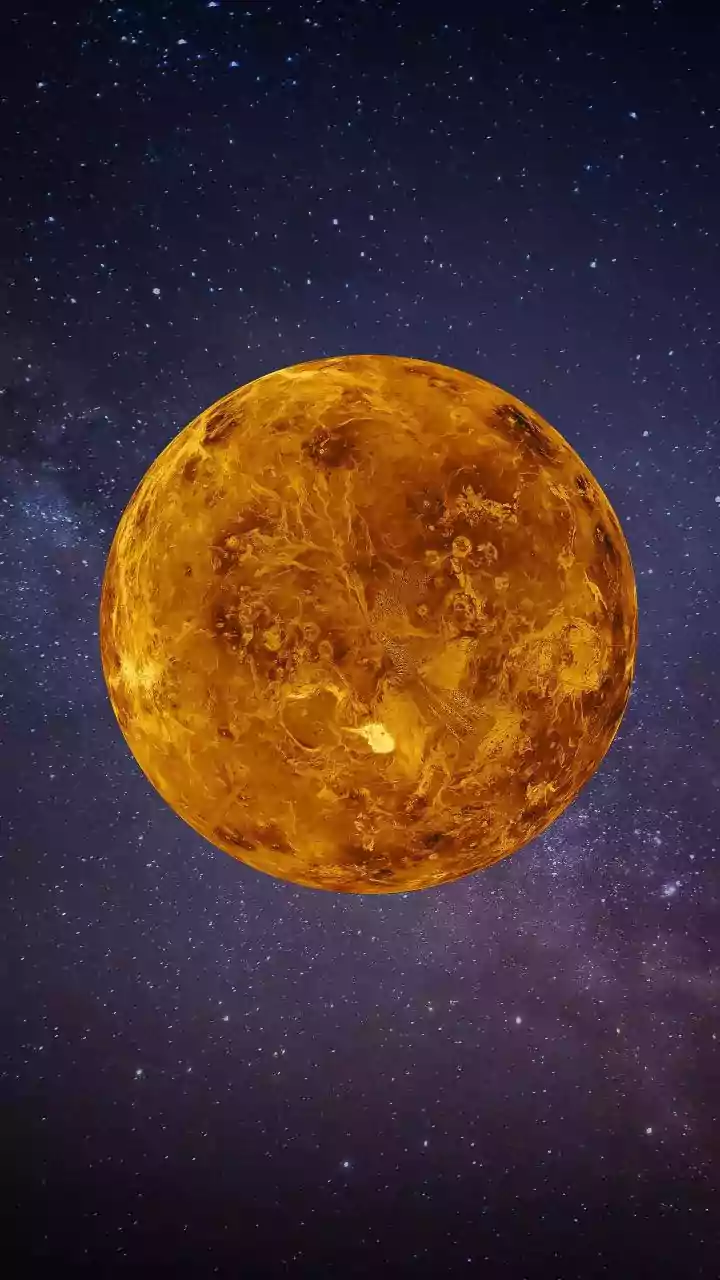
Venus, often called the “Evening Star,” will be unmissable in the western sky just after sunset. Around September 18, it reaches its brightest point for the entire year. Its dazzling light makes it one of the easiest celestial objects to spot, even from brightly lit urban areas. If you look closely, you might even spot the fainter planet Mercury nearby. For those with a telescope, Venus will appear not as a full disc, but as a striking crescent. This happens because as Venus gets closer to Earth in its orbit, we see a smaller fraction of its illuminated side, but its overall size in our sky grows, resulting in this moment of peak brightness.
The Dark-Sky Opportunity
For those seeking the faint, deep-sky objects, the best window of opportunity comes around the new moon on September 11-12. With no moonlight to wash out the sky, these are the ideal nights to head to a dark-sky location. It's one of the last best chances of the year in the Northern Hemisphere to see the rich, dense core of our own Milky Way galaxy before it sinks below the horizon for the season. This is also the perfect time to hunt for faint star clusters and nebulae. Use these dark nights to try and spot the Andromeda Galaxy, our closest major galactic neighbor, which will be rising in the east.
Welcoming the Harvest Moon and Saturn
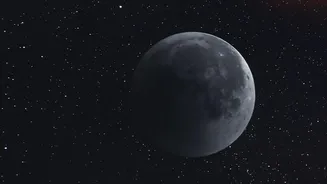
The most famous lunar event of the month is the full Harvest Moon, which will rise on the evening of September 26. This is the name given to the full moon that occurs closest to the autumnal equinox. To get the best view, watch for it right as it rises around sunset. Near the horizon, an optical effect known as the moon illusion can make it appear enormous and vibrantly orange. This year, the Harvest Moon won’t be alone. The ringed planet Saturn will be following close behind, appearing as a bright, steady, yellowish point of light and traveling alongside the moon throughout the night. While Saturn’s spectacular opposition is technically in early October, it will be large and bright in the sky all through September, making it a prime target for anyone with a pair of binoculars or a small telescope.
Pre-Dawn Planetary Alignments
Early risers will be rewarded with their own planetary show. Throughout September, Mars and Jupiter are visible in the eastern sky before sunrise. On the mornings of September 6 and 7, a thin crescent moon will pass close to the red planet Mars, creating a lovely pairing about three hours before dawn. Just a day later, on September 8, the moon will have moved on to meet up with the giant planet Jupiter. Seeing these worlds align in the quiet pre-dawn hours is a serene and beautiful experience that is well worth setting an alarm for.