








The Modern Dinner Dilemma
In the daily juggle of work, school runs, and household chores, preparing a nutritious home-cooked meal can feel like an impossible task. For many busy families across India, the default solution has become the convenience of food delivery apps. While
ordering in provides a much-needed break, it comes with a hidden cost. Frequent takeaways are not only heavy on the wallet but can also be detrimental to health, often loaded with excess salt, sugar, and unhealthy fats. A 2025 analysis shows ordering from an app can be three to four times more expensive per meal than cooking at home. This reliance creates a cycle of guilt and expense, leaving families longing for the taste and nourishment of a home-cooked meal without the time and stress it traditionally requires.
What Exactly Is Assisted Cooking?
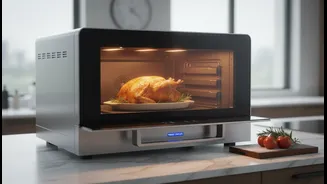
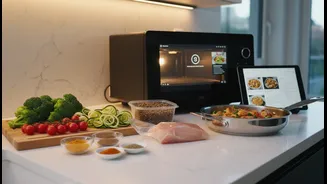
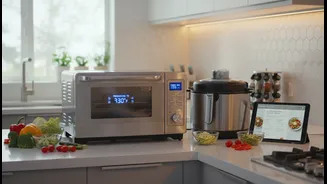
Assisted cooking isn't about having a robot chef; it's about smart appliances that act as your expert co-pilot in the kitchen. This category includes a wide range of devices, from Wi-Fi-connected smart ovens and versatile multicookers to intelligent air fryers and guided cooking apps. These appliances are designed to take the guesswork out of cooking. For example, a smart oven might use sensors or a camera to identify the food you've placed inside and automatically suggest the perfect cooking time and temperature. Others, like the Thermomix or Upliance, offer step-by-step recipe guidance on a screen, controlling temperature and stirring for you, ensuring consistent, delicious results every time. The goal is to reduce manual effort and mental load, making cooking more accessible for everyone, regardless of their skill level.
From Guesswork to Guaranteed Results
One of the biggest barriers to home cooking is the fear of failure—the overcooked chicken, the burnt vegetables, the undercooked dal. Assisted cooking technology eliminates this uncertainty. These smart devices provide precision and consistency that is difficult to achieve manually. Features like built-in temperature probes, automated stirring, and pre-programmed settings for specific dishes like rice, curries, or even baked goods mean you can 'set it and forget it'. Many appliances connect to apps on your smartphone, allowing you to monitor progress, adjust settings remotely, and receive notifications when your meal is ready. This frees you up to help children with homework or simply relax, confident that dinner won't be ruined.
The Health and Wallet Equation
While a smart cooking appliance is an initial investment, it can lead to significant long-term savings. When a single takeaway meal for a family can cost several hundred rupees, the recurring expense quickly adds up. A 2025 breakdown estimated that the monthly cost of ordering lunch and dinner daily could range from ₹12,000 to ₹18,000 for one person, whereas home cooking costs were a fraction of that. By making home cooking faster and easier, these appliances help your family eat out less, paying for themselves over time. The health benefits are even more significant. Cooking at home gives you complete control over ingredients, allowing you to reduce oil, salt, and sugar and incorporate more fresh vegetables and whole grains. Air fryer functions, common in many new ovens, provide the crispy texture of fried foods with a fraction of the oil.
More Than Just a Gadget
The benefits of reclaiming the kitchen extend beyond finances and physical health. Involving children in cooking is easier when guided by a simple app interface, turning meal prep into a fun family activity. It teaches them valuable life skills and makes them more likely to try new, healthy foods. These appliances can also foster creativity and confidence in the kitchen. With a device handling the technical aspects, you are free to experiment with new cuisines and recipes you might have found too intimidating before. It transforms cooking from a chore into an enjoyable, collaborative experience, strengthening family bonds and creating lasting memories around the dinner table.