







A Nation's Worth of Emissions
The core finding of the research, published in Nature Sustainability, is both simple and stunning: the 403 largest 'hyperscale' data centers in the United States produced approximately 25.7 million metric tons of carbon dioxide in the year leading up
to April 2025. To put that figure in perspective, it's roughly equivalent to the entire annual carbon emissions of Denmark, a nation of nearly six million people. These massive, windowless facilities, which are essential for cloud computing and training artificial intelligence, consumed about 1.8% of all electricity in the U.S. during that period. Researchers noted this is likely a conservative estimate, as the data is already becoming 'ancient history' due to the explosive growth in AI development since the study concluded.
The Engine Room of Modern Life
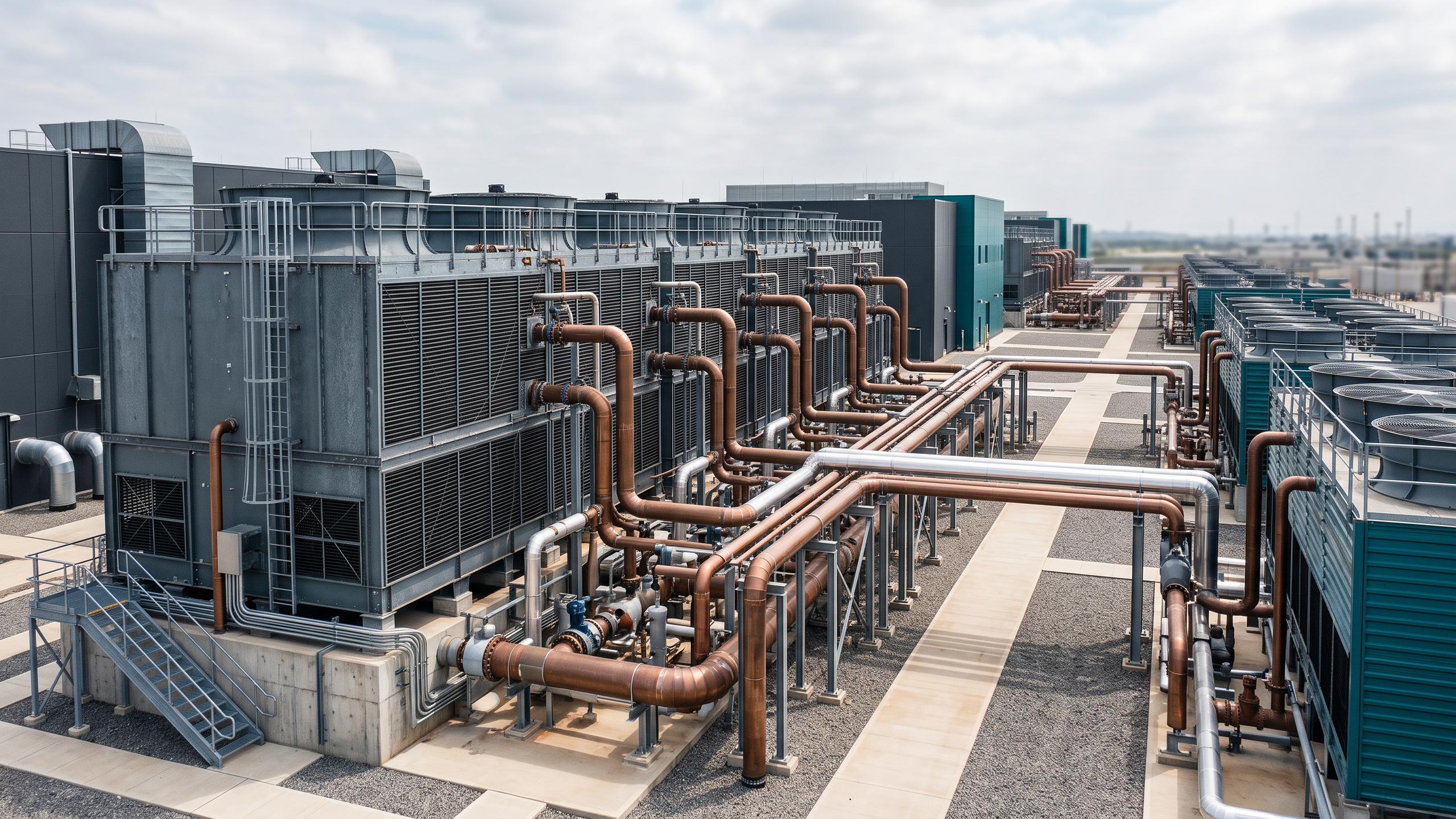
So, what are data centers, and why do they require so much power? Think of them as the factories of the digital age. They are centralized buildings that house thousands of computer servers and data storage systems. These servers run 24/7 to process, store, and deliver the data behind everything from your email and online banking to streaming services and complex AI models. All this computing generates an immense amount of heat, which means a second, equally energy-intensive operation is required: cooling. A significant portion of a data center's electricity consumption goes not just to running the servers, but to air conditioning and other cooling systems to prevent them from overheating.
The AI Boom's Insatiable Appetite
While data centers have been around for decades, the recent surge in their energy use is being driven by one technology above all: artificial intelligence. Training and running large-scale AI models, like those behind generative AI, is orders of magnitude more computationally intensive than traditional tasks. The International Energy Agency (IEA) has warned that global electricity consumption by data centers could double by 2030, with AI accounting for the lion's share of that growth. A single query to an advanced AI can use nearly ten times the electricity of a simple Google search. This exponential increase in demand is putting unprecedented strain on electricity grids in states with high concentrations of data centers, like Virginia, Oregon, and Iowa.
A Dirty Power Problem
The issue isn't just the amount of power consumed, but where it comes from. According to the Harvard study, about 54% of the electricity powering these major US data centers came from fossil fuels, with natural gas and coal being the primary sources. This reliance on carbon-intensive energy is why the emissions are so high. While many major tech companies have made ambitious pledges to power their operations with 100% renewable energy, the sheer speed and scale of the AI build-out is making those goals harder to achieve. In some regions, the urgent need for power is leading to a greater reliance on natural gas to keep the servers running, a trend that critics say is a step backward for climate goals.
The Search for a Greener Cloud
The industry is not sitting idle. Tech giants are among the world's largest corporate buyers of renewable energy, investing heavily in new wind and solar projects. There is also a major push for innovation in efficiency. This includes everything from designing more energy-efficient chips and server hardware to developing advanced cooling systems that use less water and power. Companies are also exploring the use of more sustainable materials in construction, such as low-carbon concrete and recycled steel, to reduce the 'embodied carbon' of the facilities themselves. Furthermore, some are developing 'carbon-aware' software that can shift computing jobs to times or locations where the electricity grid is being powered by more renewable sources.