


Why Mindful Oil Use Matters
Cooking oil is a cornerstone of kitchens across India, essential for everything from a sizzling tadka to a perfectly fried samosa. While fats are a necessary part of a balanced diet, providing energy and helping absorb vitamins, excessive consumption
can lead to health concerns. Regularly consuming too much oil, particularly certain types, can contribute to weight gain, elevated cholesterol levels, and an increased risk of heart disease and fatty liver disease. The goal isn't to eliminate oil, but to become more mindful of how much and what kind we use. Just a small reduction in daily oil intake can make a significant difference to your long-term health without sacrificing the taste and tradition of your favourite foods.
The Power of Smart Portioning
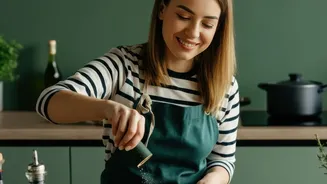
One of the biggest culprits of overuse is pouring oil directly from the bottle into the pan. This 'eyeballing' method almost always leads to using more than you need. The first step to control is to measure. Using a standard teaspoon or tablespoon to portion your oil can be a revelation. You might be surprised by how little you actually need. For an even more effective method, consider an oil sprayer. A spray bottle allows you to coat the surface of a pan with a fine mist, providing enough coverage to prevent sticking while using a fraction of the oil you would by pouring. This ensures an even distribution and can help you cut down on calories significantly.
Upgrade Your Cooking Toolkit
The tools you use can dramatically change your reliance on oil. Investing in good quality non-stick cookware is a game-changer. A high-quality non-stick or well-seasoned cast iron pan requires significantly less oil to prevent food from sticking compared to standard steel or aluminium pans. This is because they distribute heat more evenly, reducing the hot spots that cause food to burn and stick. When food doesn't stick, the impulse to add another splash of oil disappears, making low-oil cooking almost effortless.
Rethink Your Cooking Methods
Frying is not the only way to achieve delicious results. Exploring other cooking methods can open up a world of flavour while drastically cutting down on oil. Air frying has become incredibly popular as it circulates hot air to create a crispy texture similar to deep-frying with up to 80% less oil. It’s perfect for making healthier versions of snacks like pakoras and tikkis. Steaming is another excellent zero-oil method that preserves nutrients beautifully, ideal for dishes like dhokla, idli, and vegetables. Don't forget about baking, grilling, and roasting. These methods use dry heat to cook food, often requiring just a light brush of oil to achieve a wonderful flavour and texture. Even pressure cooking is a fantastic way to prepare dals and curries using water or broth as the primary cooking medium, eliminating the need for excess fat.
Making Indian Favourites Healthier
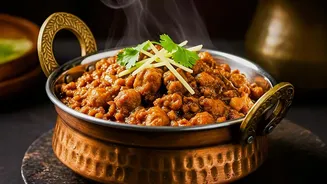
The idea of a flavourful Indian curry without a generous amount of oil might seem impossible, but it's all in the technique. For your masala base, try 'water sautéing'. Instead of starting with oil, heat your pan and sauté onions, ginger, and garlic with a tablespoon or two of water or vegetable broth. As the water evaporates, the aromatics will soften and brown. When it's time to add spices, try dry roasting them in the pan for 30-40 seconds before adding any liquid. This process blooms the spices and releases their essential oils and fragrance without needing fat. For the final tadka, you can still get that signature sizzle and aroma with just a small, measured amount of oil, added at the end as a finisher rather than at the start as a base.