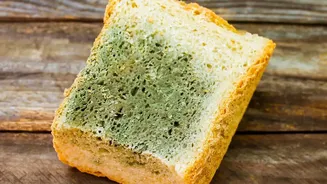


It’s a familiar frustration: you buy beautiful, fresh produce, only to find it wilted, spotted, or overripe just days later. The culprit is often an invisible gas silently sabotaging your groceries from inside your own refrigerator.
The Invisible Ripener: What Is Ethylene Gas?
Ethylene is a natural
plant hormone, a colorless and odorless gas released by many fruits and vegetables as they ripen. Think of it as a chemical messenger that tells produce to soften, change color, and develop flavor. While this is a crucial part of the natural cycle, the trouble begins when this gas accumulates in an enclosed space, like a storage container or a refrigerator drawer. The concentrated ethylene accelerates ripening and, eventually, decay not only in the item that produced it but in any sensitive produce stored nearby. This process is the reason one 'bad apple' can, quite literally, spoil the bunch.
Know Your Produce: The Emitters vs. The Sensitive
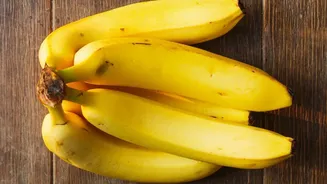
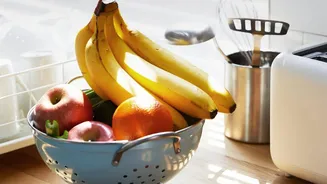
The key to managing ethylene is knowing which items are major producers and which are highly sensitive. Storing these two groups together is a recipe for rapid spoilage. High Ethylene Producers include fruits that continue to ripen after being picked, such as apples, bananas, avocados, stone fruits (peaches, plums), pears, cantaloupes, and tomatoes. Ethylene-Sensitive Produce, on the other hand, reacts poorly to the gas, leading to yellowing, wilting, bitterness, or decay. This group includes many common vegetables: leafy greens, broccoli, carrots, cucumbers, asparagus, and Brussels sprouts. Unripe bananas are also sensitive, which is why a ripe apple can help a green banana turn yellow faster.
The Golden Rule: Separation is Key
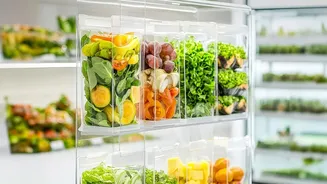
The single most effective strategy for slowing spoilage is simple: keep the high-ethylene producers away from the ethylene-sensitive items. This doesn't require any special equipment, just mindful habits. Use different crisper drawers in your refrigerator, designating one for fruits and another for vegetables. On the counter, don't put your banana hanger right next to your vegetable basket. For example, storing apples and carrots together can cause the carrots to develop a bitter taste, while storing broccoli near tomatoes will cause the broccoli to yellow much faster. This simple act of segregation is the foundation of smart produce storage.
Smarter Storage: Beyond Basic Separation
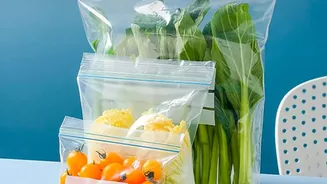
Beyond separation, other storage habits can make a big difference. Proper ventilation is crucial for ethylene-producing fruits; don't seal them in airtight bags, as this traps the gas and speeds up ripening. Many refrigerators have humidity sliders on the crisper drawers. A low-humidity setting helps vent the excess moisture and gases from ethylene producers like apples and pears, while a high-humidity setting is better for leafy greens that are prone to wilting. Also, make it a habit to regularly check for and remove any produce that is overripe or starting to decay, as damaged produce releases even higher concentrations of ethylene.
Tools of the Trade : Ethylene Absorbers
For those looking to take preservation to the next level , ethylene absorbers are widely available . These products , which come as small packets , discs , or integrated drawer liners , use materials like potassium permanganate or activated carbon to trap and neutralize ethylene gas . They essentially scrub the air inside your refrigerator , slowing down the ripening process for everything stored nearby . While not a magic bullet for saving produce that is already past its prime , absorbers can be an effective part of a larger strategy , especially for households that struggle with food waste . They work on the same principles used by commercial warehouses to keep produce fresh during long - distance shipping .