

Getting Around: Your Key to Freedom
To truly unlock the countryside, renting a car is almost essential. It gives you the freedom to explore hidden beaches, remote villages, and scenic back roads at your own pace. Main roads are generally in good condition, but be prepared for narrower,
winding lanes in mountainous or older areas. While trains and buses connect major towns, they offer limited access to the more secluded gems. The scenic Linha do Douro train line is a notable exception, offering breathtaking views along the river. In rural areas, ride-sharing apps like Uber can be unreliable, so pre-planning your transport is key.
Where to Stay: Quintas and Pousadas
Rural Portugal offers unique accommodation that is part of the experience itself. Look for 'quintas', which are traditional estates or farmhouses, often family-run and set within vineyards or olive groves. They provide an intimate connection to the local landscape and cuisine. For a dose of history, consider staying in a 'pousada'. These are often stunningly restored historic buildings like castles, monasteries, and convents, managed as a network of hotels. They blend monumental architecture with modern comfort, offering a memorable stay in historically significant locations.
Regions to Explore: Beyond the Obvious
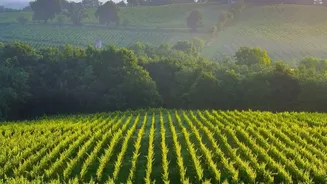
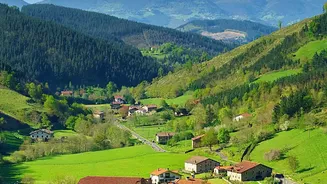
Each region of rural Portugal offers a distinct character. The Alentejo, stretching south of Lisbon, is a vast, sun-drenched landscape of cork forests, rolling plains, and fortified hilltop towns like Monsaraz and Marvão. It’s a region known for its hearty cuisine, bold red wines, and a slower pace of life. Further north, the Douro Valley is a UNESCO World Heritage site, famous for its dramatic terraced vineyards that cascade down to the river. It's the heart of Port wine production, and a visit to a local 'quinta' for a tasting is a must. For lush, green landscapes, head to the Minho region in the northwest, considered the birthplace of the nation. It’s home to historic cities like Guimarães and Braga, and the verdant vineyards that produce the crisp Vinho Verde wine.
What to Do: Immerse Yourself in Local Life
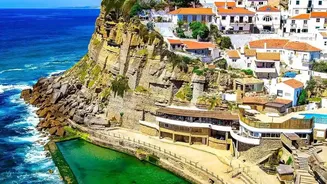
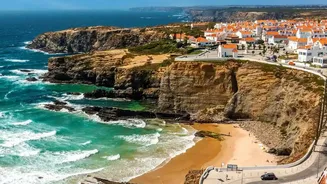
Rural travel in Portugal is about embracing the outdoors and local culture. The country offers incredible hiking and cycling opportunities, from coastal paths along the Costa Vicentina to trails through the terraced vineyards of the Douro. In the Alentejo, you can explore one of Europe's largest megalithic sites or discover hidden beaches. Wine tasting is a highlight in nearly every region, whether it's the famous Port of the Douro, the light Vinho Verde of the Minho, or the robust reds of the Alentejo. Don’t miss the chance to indulge in regional gastronomy; rural restaurants often serve hyper-local specialties that you won't find in the big cities.
Practical Tips for the Countryside
While many people in tourist areas speak English, learning a few basic Portuguese phrases will be greatly appreciated in smaller villages. The pace of life is slower, so embrace it—lunches can be long and services may not operate with city urgency. It’s also wise to carry some cash, as smaller, family-run establishments may not accept credit cards. Finally, be mindful of the season. The Alentejo can be extremely hot in mid-summer, making spring and autumn ideal for visiting, when the landscapes are vibrant with wildflowers or harvest colours.