


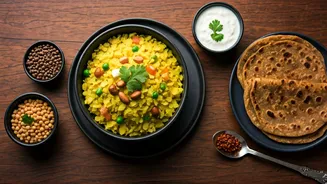




1. Swap Refined Grains for Whole Grains
Many traditional Indian breakfasts rely on grains, but the type of grain makes all the difference. Refined grains, like white rice in poha or maida in puris, cause a rapid spike and crash in blood sugar, leaving you feeling tired and hungry soon after.
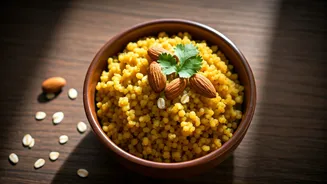
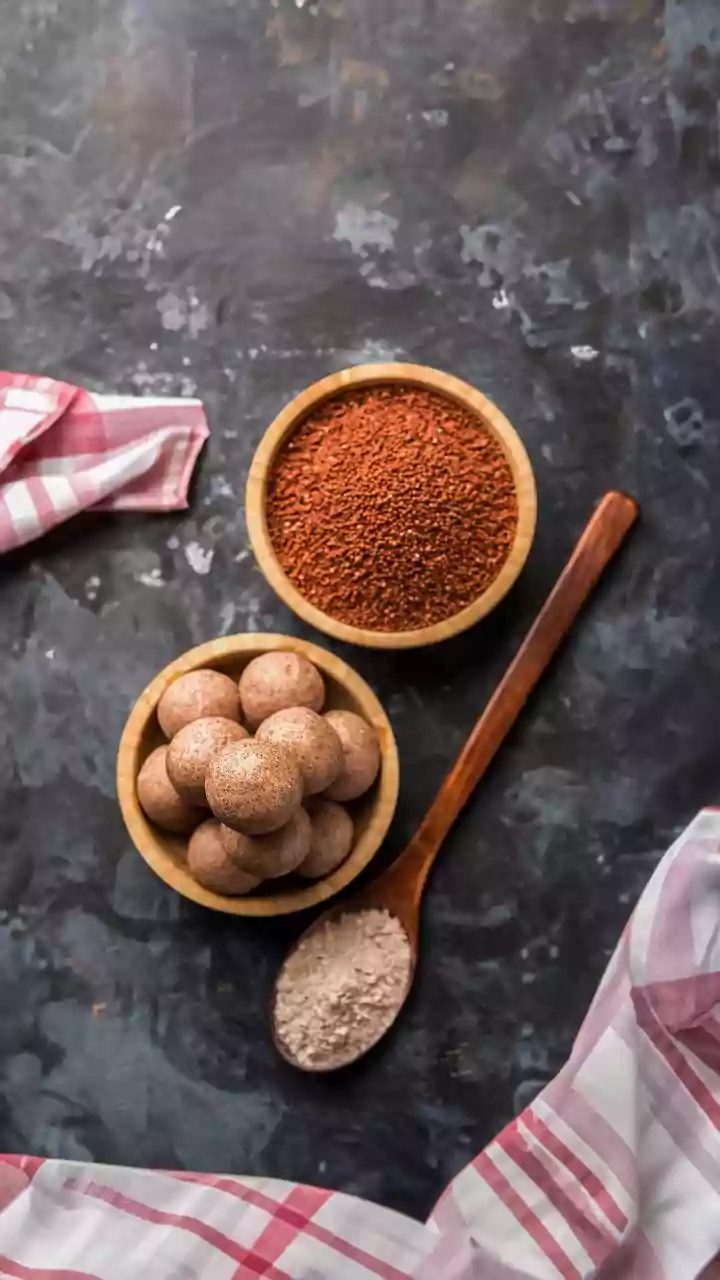
The upgrade is simple: switch to whole grains. Opt for whole-wheat (atta) parathas instead of those made with refined flour. Try making poha with brown or red rice flakes, which are richer in fibre and nutrients. Millets like ragi, jowar, or bajra can be used to create delicious and nutritious dosas, idlis, and upma. This simple swap provides sustained energy, improves digestion, and keeps you fuller for longer.
2. Power Up with Protein
A breakfast high in carbohydrates but low in protein is a recipe for a mid-morning energy dip. Protein is crucial for building and repairing tissues, and it promotes satiety, meaning you'll feel satisfied until lunch. Giving your breakfast a protein boost is easier than you think. If you eat parathas, stuff them with crumbled paneer, sattu (roasted gram flour), or lentils. Add a handful of moong sprouts to your poha or upma in the final minutes of cooking. A boiled or scrambled egg on the side is another excellent and quick option. For vegetarians, a small bowl of dahi or a glass of unsweetened lassi can significantly increase the protein content of your meal.
3. Sneak in More Vegetables
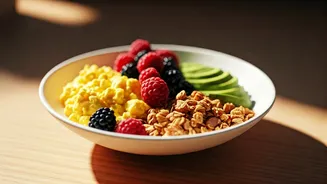
Your first meal of the day is a golden opportunity to get a head start on your daily vegetable intake. Veggies add fibre, vitamins, and minerals without adding a lot of calories. Plus, they bring colour, texture, and flavour to your plate. Finely grated carrots, zucchini, or bottle gourd (lauki) can be mixed directly into your paratha dough or dosa/idli batter. Chopped bell peppers, onions, tomatoes, and peas are perfect additions to upma, poha, or savoury vermicelli. Not only does this make your breakfast more nutritious, but the added fibre also helps in stabilising blood sugar levels and supporting good gut health.
4. Embrace Healthy Fats
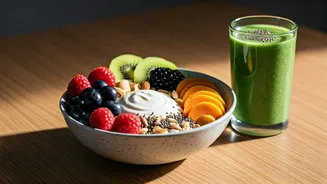
Fat has been unfairly demonised, but the right kind of fat is essential for brain health, hormone production, and absorbing certain vitamins. The key is to choose unsaturated fats over saturated and trans fats. Instead of using refined vegetable oils for cooking, consider using ghee or cold-pressed coconut oil in moderation. Sprinkling a tablespoon of nuts and seeds—like almonds, walnuts, chia seeds, or flaxseeds—over your bowl of poha, upma, or oatmeal adds a wonderful crunch and a dose of healthy omega-3 fatty acids. You can also blend them into your lassi or smoothie for an invisible nutritional boost.
5. Ditch the Hidden Sugars
One of the biggest culprits derailing a healthy breakfast is hidden sugar. It's not just in a spoonful of sugar in your chai or coffee. Packaged fruit juices, breakfast cereals, ketchup, and many sweet chutneys are loaded with added sugars that provide empty calories and lead to energy crashes. Start reading labels to become aware of what you're consuming. Squeeze your own juice or, better yet, eat the whole fruit to get the benefit of its fibre. Swap sugary cereals for a bowl of oats or daliya, which you can sweeten naturally with dates or fresh fruit. Choose a mint-coriander chutney over a sweet tamarind one. These small changes dramatically reduce your sugar intake and prevent the associated health risks.