






Registration and Essential Documents
The first step for your pilgrimage is mandatory registration. This can be done online through the official Shri Amarnathji Shrine Board (SASB) website or offline via designated bank branches. For 2026, the Yatra is scheduled from July 3 to August 28.
A crucial requirement is the Compulsory Health Certificate (CHC) from a doctor or hospital authorized by the SASB, which must be issued on or after April 8, 2026, for this year's Yatra. Upon registration, you will receive a Yatra Permit. All pilgrims are also required to collect and wear a Radio Frequency Identification (RFID) card at all times for tracking and safety. Remember to carry your original ID proof, the CHC, and the permit throughout the journey.
Health and Fitness Preparation
The trek to the Amarnath cave, situated at an altitude of 3,888 metres (12,756 feet), is physically demanding. It is vital to prepare your body for the high altitude and low oxygen levels. Start a fitness routine at least a month before your journey, including daily walks of 4-5 kilometres and deep breathing exercises like pranayama to improve oxygen efficiency. Staying hydrated is key; aim to drink about 5 litres of fluid daily during the trek. The age limit for the Yatra is strictly between 13 and 70 years. Women who are more than six weeks pregnant are not permitted to undertake the pilgrimage. Always listen to your body and descend to a lower altitude if you experience symptoms of altitude sickness.
Choosing Your Route: Pahalgam vs. Baltal
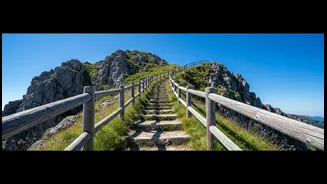
There are two main routes to the holy cave: the traditional Pahalgam route and the shorter Baltal route. The Pahalgam route is longer, spanning 36 to 48 kilometres, and typically takes 3 to 5 days to complete. It is known for its scenic beauty, gradual climb, and is recommended for first-timers, families, and elderly pilgrims. The Baltal route is much shorter, around 14 kilometres, and can be completed in 1-2 days. However, it is very steep and challenging, making it suitable for those with high physical fitness and limited time. Ponies are available on the Pahalgam route, but not on the steeper parts of the Baltal trek. Helicopter services are also available for both routes to Panchtarni, from where pilgrims still need to walk a few kilometres to the cave.
What to Pack: Essentials for the Journey
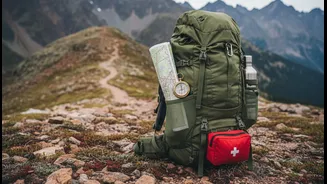
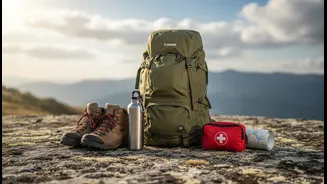
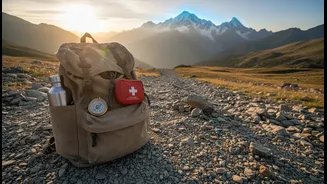
Packing smart is crucial as the weather in the Himalayas is unpredictable. Layering is key, so pack adequate woollen clothing, including thermal innerwear, sweaters, and a waterproof jacket. A raincoat, waterproof trekking shoes, woollen socks, gloves, and a cap are absolute essentials. Women are advised to wear salwar kameez or track pants instead of a sari for comfort and ease of movement. Your backpack should also contain a first-aid kit with personal medications, sunscreen, a torch with extra batteries, and a power bank. Carry high-energy snacks like dry fruits, chocolates, and roasted chana. Avoid expensive jewellery and carrying large amounts of cash.
On the Trail: Accommodation and Facilities
Pilgrims need not worry about food and shelter. Numerous 'langars' (community kitchens) provide free vegetarian meals, snacks, and water along both routes. For accommodation, the SASB and private contractors set up tented camps at various points like Sheshnag and Panchtarni. These tents are equipped with mattresses, pillows, and blankets. Medical facilities, including first-aid posts and emergency medical centres, are stationed every couple of kilometres. It is important to respect the environment; the use of plastics is banned, and pilgrims are urged not to litter.
Safety and Security on the Yatra
The Amarnath Yatra is conducted under a multi-layered security cover. Pilgrims are advised to travel in groups and stick to the official, escorted convoys, especially on the national highway. Do not attempt any shortcuts on the trekking routes. Adhere strictly to the travel dates mentioned on your permit, as authorities are enforcing the daily pilgrim cap. Unregistered individuals are strongly advised not to proceed to Jammu and Kashmir for the Yatra. Always cooperate with security personnel and follow their instructions to ensure a safe and peaceful pilgrimage for everyone.