







Why Monsoon Wreaks Havoc on Your Hair
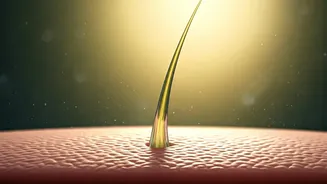
It’s not your imagination; your hair really does behave differently during the monsoon. The primary culprit is the high humidity in the air. Hair shafts are porous and absorb this excess moisture, causing them to swell. This process weakens the hydrogen
bonds that give hair its strength and structure, making it more prone to frizz, weakness, and breakage. Furthermore, the constant dampness creates an ideal environment for microbial growth on the scalp. Fungal infections like dandruff and bacterial issues can flourish, leading to an itchy, unhealthy scalp that can’t support strong hair growth. This combination of structural weakness and poor scalp health is what fuels the seasonal spike in hair fall.
Revamp Your Cleansing Routine
How you wash your hair during this season can make a significant difference. While it might be tempting to wash your hair daily to combat greasiness, over-washing can strip the scalp of its natural oils, leading to more problems. Experts suggest washing your hair two to three times a week with a gentle, sulphate-free shampoo. If you have an oily scalp or are prone to dandruff, consider a shampoo with anti-fungal ingredients like ketoconazole or zinc pyrithione. Use lukewarm water, as hot water can further weaken hair roots and dehydrate the scalp. Make sure to rinse thoroughly to prevent any product buildup, which can clog follicles and worsen hair fall.
Conditioning Is Non-Negotiable
While shampoo cleanses, conditioner protects. In a high-humidity environment, a good conditioner is your best defence against frizz and breakage. It works by sealing the hair cuticle, smoothing down the outer layer of the hair shaft. This not only makes your hair look shinier and feel softer but also creates a barrier that prevents it from absorbing excess moisture from the air. Apply conditioner only from the mid-lengths to the ends, avoiding the scalp to prevent buildup and greasiness at the roots. Leave it on for a few minutes before rinsing with cool water, which helps to further seal the cuticle for a smoother finish.
Master Your Post-Wash Care
Your hair is at its most vulnerable when wet. Aggressive towel-drying can cause significant breakage. Instead of rubbing your hair vigorously, gently squeeze out excess water with a soft cotton T-shirt or a microfibre towel. To detangle, use a wide-tooth comb, starting from the ends and working your way up to the roots. Avoid combing your hair while it is soaking wet. It’s also wise to avoid tight hairstyles like high ponytails or buns that pull on the hair roots. Whenever possible, let your hair air-dry naturally. If you must use a hairdryer, use it on a low-heat setting to minimise damage.
Nourish Your Hair from Within
Topical care is only one half of the solution. What you eat plays a crucial role in the health of your hair follicles. Ensure your diet is rich in proteins, which are the building blocks of hair. Include sources like eggs, lentils, chicken, and paneer. Iron is another critical nutrient for hair growth; low levels are a common cause of hair shedding. Load up on spinach, beetroot, and other leafy greens. Biotin (found in nuts, seeds, and eggs) and Vitamin C (found in amla, lemons, and oranges) are also vital. Vitamin C helps in the absorption of iron and the production of collagen, which strengthens hair shafts.
Simple Additions for Extra Support
A few simple, time-tested practices can provide additional support. A gentle oil massage once a week with coconut or almond oil can improve blood circulation to the scalp, nourishing the follicles. You can add a few drops of tea tree oil for its anti-fungal properties. Simple homemade hair masks can also be beneficial. A paste of neem leaves, known for its antibacterial properties, can help maintain scalp health. Similarly, a pack made from amla powder and water can provide a potent dose of Vitamin C directly to your scalp and hair. These are not magic cures but complementary practices that support your overall hair care regimen.