




The Rise of Hinterland Tourism
For decades, Goa's identity has been inextricably linked to its golden coastline. However, a significant shift is underway. Travellers, both domestic and international, are increasingly venturing inland, a trend actively encouraged by the Goan government's
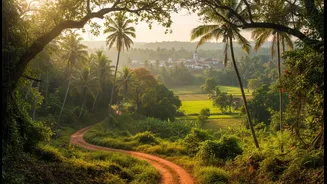
'Goa Beyond Beaches' initiative. This move is driven by a desire for more authentic, less crowded experiences. The hinterlands, with their dense forests, spice plantations, and quiet villages, offer a peaceful respite from the bustling coast. This growing interest is supported by official policies, like the new Homestay and Bed & Breakfast Scheme, designed to bring rural communities into the tourism fold and promote a more sustainable model of travel.
What to Discover in the Green Interior
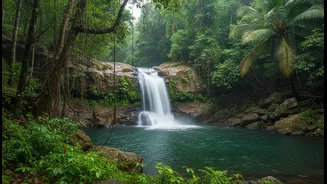
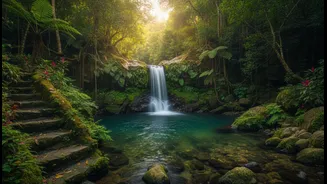
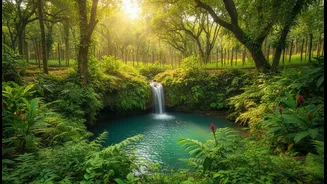
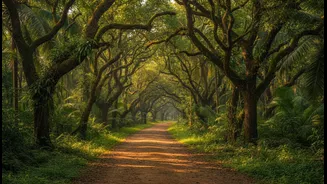
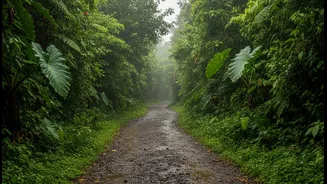
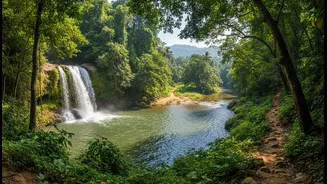
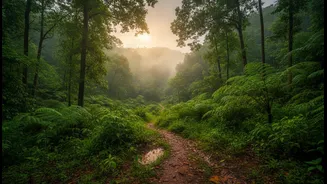
Goa's countryside is a world away from the familiar beaches. Nestled in the foothills of the Western Ghats, a UNESCO World Heritage biodiversity hotspot, the region is a treasure trove of natural wonders. It's a landscape defined by six wildlife sanctuaries, including Netravali, Cotigao, and the Bhagwan Mahavir Sanctuary. These protected areas are home to stunning waterfalls like the iconic Dudhsagar Falls and the more secluded Tambdi Surla Falls. Trekkers can explore trails that wind through dense forests, revealing a rich array of flora and fauna, from rare birds to the elusive black panther.
Your Guide to Countryside Adventures
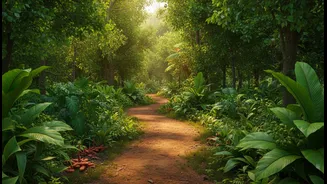
Exploring the Goan hinterland offers an array of activities for every type of traveller. For the adventurous, there are numerous trekking routes ranging from easy walks to challenging climbs. Popular trails include the path to Dudhsagar Falls, the Netravali Wildlife Sanctuary trek, and the climb up Vagheri Peaks in the Chorla Ghats. For a more relaxed experience, guided tours of spice plantations in areas like Ponda offer a fragrant journey into the region's agricultural heritage, often concluding with a traditional Goan meal. Many trails also lead to picturesque waterfalls, such as the easily accessible Pali Waterfall, perfect for a refreshing dip after a walk.
An Authentic Cultural Immersion
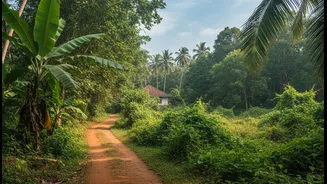
One of the biggest draws of countryside tourism is the opportunity for genuine cultural exchange. The government is actively promoting homestays in taluks like Sattari, Sanguem, and Canacona, providing incentives for local families to host guests. Staying in a village homestay allows visitors to experience Goan life firsthand, enjoy home-cooked cuisine, and learn about local traditions. This model of community-based tourism not only provides a more authentic experience for the traveller but also ensures that tourism revenue benefits rural economies directly, fostering a more sustainable and equitable industry.
Planning Your Hinterland Escape
The best time to explore Goa's green trails is typically from October to March, when the weather is pleasant and the landscape is lush post-monsoon. For those who don't mind the heat, April and May offer a final window for trekking before the monsoon rains make many trails inaccessible. When packing, essentials include comfortable hiking shoes, lightweight clothing, sun protection, and insect repellent. While some popular trails are well-marked, hiring a local guide is often recommended, especially for treks within wildlife sanctuaries, to ensure safety and gain deeper insight into the local ecosystem.