


Why Humidity Is the Unseen Enemy
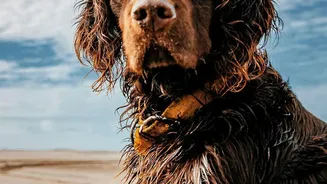
During the Indian monsoon, humidity levels can soar, meaning your dog’s coat often remains damp long after a walk. This trapped moisture creates an ideal breeding ground for bacteria and fungi. Conditions like pyoderma (a bacterial skin infection), yeast
dermatitis, and fungal infections like ringworm become far more common. These issues often start with itchiness but can quickly escalate to red, inflamed patches, foul odours, and painful sores known as 'hot spots'. Vets across India report a significant spike in visits for skin disorders during the rainy season, as the dampness weakens the skin's natural protective barrier.
A Laser Focus on Paw Care
Your dog's paws are on the front line, constantly in contact with wet, muddy, and potentially contaminated surfaces. The spaces between their toes and paw pads are perfect for trapping moisture, mud, and germs, which can lead to painful inflammation and infections like pododermatitis. It is crucial to make paw cleaning a non-negotiable routine after every single walk. Use a clean cloth or pet-friendly wipes to gently clean between the pads, removing any debris. Most importantly, dry them thoroughly. Some owners also trim the fur around the paws to improve airflow and reduce the chances of fungal growth.
Mastering the Art of a Dry Coat
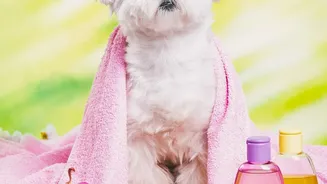
While you might think bathing your dog more often is the answer, over-bathing can strip the natural oils that protect their skin. Instead, the focus should be on drying. After any exposure to rain, a thorough towel dry is the first step. For dogs with thicker or double coats, a hairdryer on a low, cool setting can be essential to ensure the undercoat doesn't remain damp. Regular brushing is also vital. A daily brush-through helps to remove dirt and tangles, prevent matting, and allow air to circulate freely to the skin, which is one of the best defences against moisture-related problems.
Don't Overlook the Ears and Bedding
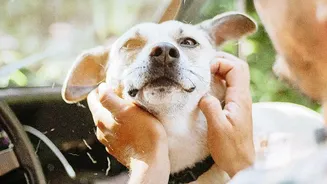
Floppy-eared breeds are especially susceptible to ear infections during the monsoon because their ear canals trap moisture easily. Check your dog’s ears weekly for any signs of redness, odour, or excessive head shaking. Gently cleaning them with a vet-approved solution can help prevent painful infections. Beyond direct grooming, maintaining a clean and dry home environment is key. Your dog’s bedding can become a damp haven for fungi and bacteria. Wash their bedding, blankets, and toys frequently in hot water and ensure they are completely dry, using sunlight whenever possible as its UV rays help kill microbes.
Preventative Measures and When to See a Vet
In addition to grooming, ensure your pet has access to clean, fresh drinking water to avoid gastrointestinal issues from contaminated puddles. This season also sees a rise in ticks and fleas, so stay current with vet-recommended preventatives. While diligent grooming can prevent most issues, you should monitor your dog's skin closely. If you notice persistent scratching, hair loss, rashes, or any signs of discomfort that don't resolve with basic cleaning and drying, it is crucial to consult a veterinarian promptly before a minor irritation becomes a severe infection.