






What Exactly Is Digital Meal Planning?
At its core, meal planning is the simple act of deciding what you’ll eat for a future period, whether it's for three days or a full week. Digital meal planning takes this time-tested practice and supercharges it with technology. It involves using apps,
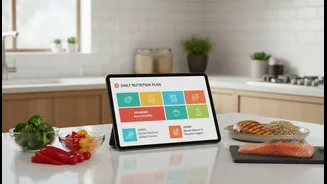
websites, or even simple digital notes and spreadsheets to organize your meals, create shopping lists automatically, and curate a personal library of recipes. Instead of scribbling on paper scraps, you have a dynamic, searchable system on your phone or laptop. This modern approach is particularly suited to Indian kitchens, with many tools now capable of understanding the nuances of regional cuisines, from poha to palak paneer.
The Game-Changer for Busy Young Indians
For young professionals, students, and new families juggling packed schedules, digital meal planning is a powerful tool for taking back control. The benefits are practical and immediate. Firstly, it's a major stress reducer. Knowing what you're eating all week eliminates daily decision fatigue. Secondly, it's a huge money-saver. By creating a shopping list based on your plan, you avoid impulse buys and only purchase what you need. Thirdly, it significantly reduces food waste—a major issue, with estimates suggesting nearly 40% of food produced in India is wasted annually. Planning helps you use up ingredients before they spoil. Finally, it puts you in the driver's seat of your health, allowing you to control portions, balance nutrients, and reduce reliance on often unhealthy convenience foods.
How to Start: A Four-Step Guide
Getting started is simpler than you think. Don't aim for a perfect, month-long plan on day one. Start small and build momentum. 1. Define Your Goals: Are you trying to save money, eat healthier, or simply cook more at home? Knowing your 'why' will keep you motivated. Start by planning just three days of dinners. 2. Choose Your Tool: You don't need a fancy app immediately. You can start with a simple notes app or a spreadsheet. Once you've built the habit, you can explore dedicated Indian meal planning apps like HealthifyMe, Reciplan, or Amiyaa which have large databases of Indian foods. 3. Build a Recipe Bank: List 10-15 of your family's favourite, easy-to-cook meals. Think dals, simple sabzis, khichdi, and one-pot rice dishes. This will be your starting point. 4. Plan and Prep: Assign meals to specific days. Check your pantry for existing ingredients before generating a shopping list. To make weekdays even easier, spend an hour on the weekend doing basic prep like chopping vegetables, boiling dal, or making a curry base.
Making the Habit Stick
The key to long-term success is flexibility. Life happens, so don't feel guilty if you have to swap days or decide to eat out. The goal is progress, not perfection. To avoid monotony, try introducing one new recipe each week. Use thematic planning, like 'Dal Mondays', 'Paneer Wednesdays', or 'One-Pot Fridays' to make decisions easier. Another great tip is to practice batch cooking. Make a larger quantity of a versatile dish like a dal or a base gravy over the weekend, which can be used for several meals during the week. This strategy significantly cuts down on daily cooking time and helps you resist the urge for last-minute takeaways.