







The New Travel Blueprint
A significant shift is underway in how young Indians approach travel. Once dominated by whirlwind tours of popular landmarks or languid beach holidays, the focus is now turning inwards. An increasing number of travelers, particularly millennials and Gen
Z, are purposefully seeking out experiences that offer more than just a temporary escape. They are trading crowded tourist spots for serene landscapes and swapping generic hotel stays for immersive wellness retreats. This isn't about luxury spas alone; it's a conscious decision to engage with India's deep-rooted healing traditions in an authentic, educational setting. The goal is no longer just to see a place, but to return from it transformed, armed with new knowledge for a healthier life.
From Tourist to Student: The 'Masterclass' Appeal
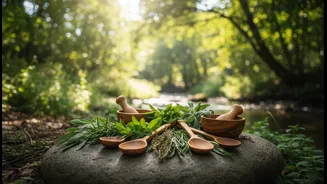
The key differentiator in this trend is the 'masterclass' component. Young travelers are not content to be passive recipients of wellness treatments. They want to understand the 'why' and 'how' behind the practices. In places like Kerala, resorts are evolving into classrooms where guests learn the principles of Ayurveda directly from vaidyas (physicians). A day might start with a guided yoga session that explains the philosophy behind each asana, followed by a cooking demonstration where a chef details the dosha-specific benefits of local ingredients. These programs go beyond simple massages; they include workshops on herbal medicine, lessons on identifying one's body constitution (Prakriti), and training in therapeutic techniques. This educational approach empowers travelers, turning a relaxing holiday into a long-term investment in their well-being.
India's Wellness Hotspots
This movement is flourishing across the country, tapping into regional specialties. Kerala remains the global capital for authentic Ayurveda, with institutions offering structured courses and deep-dive therapeutic programs. The Himalayan regions, particularly around Rishikesh and in states like Uttarakhand, are magnets for those seeking to deepen their knowledge of yoga, meditation, and spiritual healing. Further east, Sikkim is emerging as a sanctuary for tranquility and mental wellness, with concepts like 'sleep tourism' gaining traction among those looking to disconnect and reset in the pristine mountain air. Even states like Nagaland, known for their vibrant tribal culture, offer a different kind of wellness—one rooted in community, nature, and ancient traditions, attracting travelers seeking profound cultural immersion.
The Search for Authentic Connection
What is driving this quest for authenticity? For many young Indians, it's a direct response to the pressures of modern urban life. Digital burnout, chronic stress, and a sense of disconnection have created a deep-seated need for genuine healing. Generic, commercialized wellness can feel superficial. In contrast, indigenous practices offer a link to a tangible heritage and a holistic worldview that considers the mind, body, and spirit as interconnected. By learning from traditional healers, travelers feel they are not just consuming a service but participating in a living culture. This search for roots provides a powerful antidote to the fast-paced, often deracinated, nature of contemporary existence, offering a way to reconnect with themselves and their own cultural legacy.