




The Science of Satiety
Recent research has delved into how protein makes us feel full, a concept known as satiety. Studies are exploring how different proteins and their building blocks, called peptides and amino acids, interact with our gut. When we eat protein, it triggers
the release of hormones like PYY and GLP-1, which signal to our brain that we're full. This hormonal response is a key reason why protein-rich meals can help manage appetite and, by extension, body weight. Some very early studies are even investigating whether specific types of protein, like those from peas versus whey, have different effects on these satiety signals. The science is complex and nuanced, focusing on the sophisticated biological mechanisms at play. It’s a fascinating area of nutritional science, but these are preliminary findings, not a prescription for a new diet.
From Lab Bench to Social Media Feed
The journey from a cautious scientific paper to a bold claim on a supplement bottle is alarmingly short. The global wellness industry, valued at over five trillion dollars, thrives on simple, powerful narratives. A study noting that protein increases a feeling of fullness can be twisted into a marketing slogan promising effortless fat loss. This is where context gets lost. The research might have been done on a small group of people, under specific conditions, but the marketing presents it as a universal truth. In India, the protein supplement market is booming, expected to grow from around $913 million in 2025 to over $1.5 billion by 2034. This rapid growth is fueled by social media influencers and aggressive marketing that often oversimplify or misrepresent the science to sell products. The message becomes about a 'magic bullet' rather than balanced nutrition.
The Real Risks of 'More is Better'
When it comes to protein, more is not automatically better, and an overemphasis can carry risks. The Indian Council of Medical Research (ICMR) has recently warned against the routine use of protein supplements. Their guidelines state that most people, including athletes, can meet their protein needs through diet alone. Consuming protein far in excess of the recommended amount—about 0.83 grams per kilogram of body weight for most adults—can put a strain on the kidneys over the long term, especially in individuals with pre-existing or undiagnosed kidney issues. Furthermore, an obsession with protein can lead to a diet that is dangerously low in other essential nutrients like fibre from fruits, vegetables, and whole grains, which are staples of a traditional Indian diet and crucial for gut health and overall well-being.
A Balanced Approach for the Indian Plate
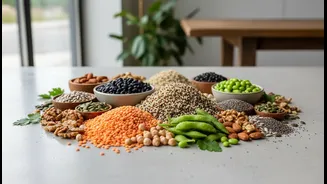
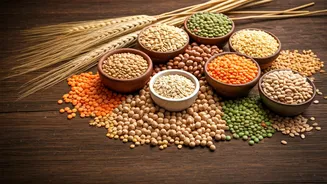
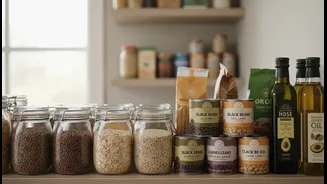
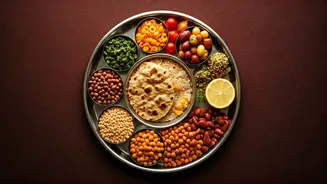
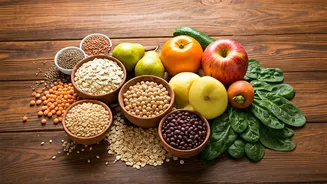
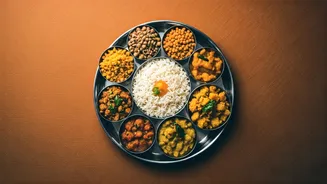
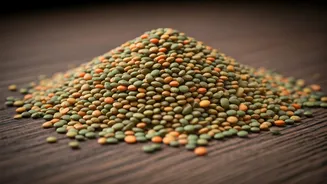
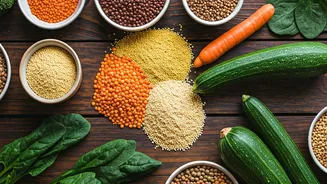
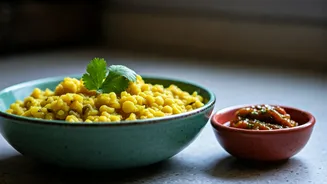
So, what's the sensible way forward? The answer lies not in expensive tubs of powder but in our own kitchens. The ICMR recommends getting protein from a balanced diet, which is both safer and more beneficial. India has a rich tradition of protein-rich foods that don't require a shaker bottle. A combination of cereals and pulses—like dal and rice—in a 3:1 ratio provides excellent quality protein. Lentils, chickpeas, beans, paneer, tofu, nuts, seeds, eggs, and lean meats are all fantastic sources. The goal should be to include a source of protein in each meal, which helps with satiety and muscle maintenance throughout the day. This food-first approach ensures you get not only protein but also the vitamins, minerals, and fibre that supplements lack. It’s about building a sustainable, healthy eating pattern, not chasing the next fad.