


The Era of High-Stakes Baking
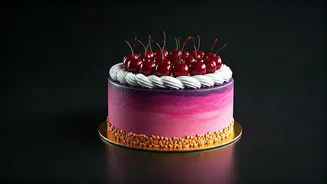
Remember the 2010s? It was a decade dominated by intricate, Instagram-worthy baking projects. The cronut—a croissant-doughnut hybrid—had people lining up for hours in New York. Soon after, home bakers felt the pressure to replicate glossy mirror-glaze
cakes, delicate multi-colored macarons, and perfectly uniform cake pops. These trends were technical, expensive, and often unforgiving. The goal was less about personal enjoyment and more about achieving a picture-perfect result, turning kitchens into high-pressure content studios.
What Exactly Is Sourdough Discard?
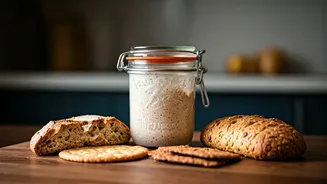
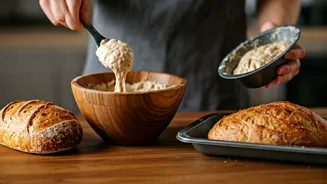
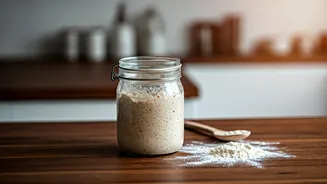
Enter the antithesis of this complexity: sourdough discard. If you maintain a sourdough starter, you have to 'feed' it regularly with fresh flour and water to keep the wild yeast and bacteria healthy. To prevent the starter from growing into an unmanageable quantity, you first remove, or 'discard', a portion. For a long time, this portion was simply thrown away. However, this so-called 'discard' is a flavor-packed, fully fermented ingredient. It's not as powerful for leavening bread on its own, but it's rich with tangy, complex flavors.
The Allure of a No-Waste Kitchen
The embrace of sourdough discard is part of a much larger cultural movement toward sustainability and zero-waste cooking. As consumers become more conscious of their environmental impact, the idea of throwing away a perfectly good food product feels increasingly irresponsible. Using discard aligns with a 'root-to-stem' philosophy, which encourages using every part of an ingredient. It turns what was once considered waste into a valuable asset, transforming a routine maintenance task into an opportunity for creativity. This mindset resonates deeply in urban environments where resourcefulness is both a practical necessity and a statement of values.
From Discard to Delicious Freedom
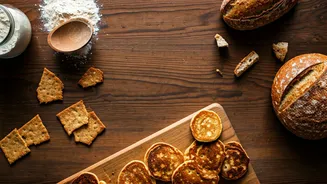
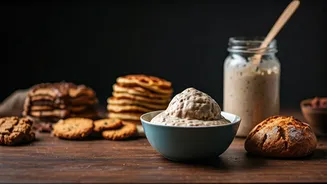
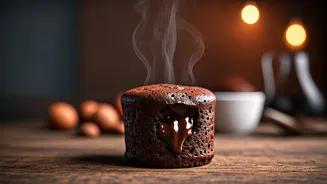
So, what can you do with it? The possibilities are surprisingly vast and delightfully low-effort. Sourdough discard is now the star ingredient in countless recipes for pancakes, waffles, crackers, pizza dough, and biscuits. Food blogs and social media are filled with inventive uses, from savory scallion pancakes to soft sandwich bread and even fudgy brownies. Unlike the rigid precision required for macarons, discard recipes are often flexible and forgiving. They don’t require an active, bubbly starter, just the tangy batter you have stored in your fridge, making spontaneous baking a simple joy rather than a planned-out project.
A Welcome Escape from Perfectionism
Ultimately, the shift toward sourdough discard is a rejection of the performative perfectionism that defined earlier baking trends. There is a growing appreciation for a more rustic, homemade aesthetic that values flavor and comfort over flawless presentation. Baking with discard is inherently relaxed; the results are meant to be enjoyed, not judged. This trend reflects a broader desire for authenticity and wellness, allowing home bakers to reclaim the craft as a source of relaxation and pleasure, not stress. It proves that the most satisfying creations are often born not from complex techniques, but from simple, smart, and sustainable choices.