






Head East During the Southwest Monsoon
While the west coast, including Goa and Kerala, is drenched by the southwest monsoon from June to September, India's eastern coast offers a drier, sunnier alternative. Tamil Nadu's coastline, for example, primarily gets its rainfall during the northeast
monsoon later in the year (October-December). This makes destinations like Puducherry, Mahabalipuram, and the beaches near Chennai ideal for a mid-year break. You can explore French colonial architecture, ancient temples, and enjoy the sea breeze while the rest of the country navigates heavy rains. The geographical placement of the coast parallel to the monsoon winds means significantly less rainfall, ensuring your beach days remain uninterrupted.
Discover the Post-Monsoon Konkan Coast
The period from October to February is the golden season for the Konkan Coast, which stretches through Maharashtra and parts of Karnataka. After the monsoon, the landscape is incredibly lush and emerald green, the humidity drops, and the sea becomes calm and clear. This is the ideal time for activities like scuba diving and snorkeling in places like Tarkarli and Malvan, where underwater visibility is at its peak. While Goa is the most famous spot, consider quieter alternatives like Guhagar, Kashid, or Gokarna for pristine sands without the peak season crowds. You get the best of both worlds: perfect weather and a more peaceful atmosphere.
Explore Odisha’s Golden Beaches in Winter
Odisha’s extensive coastline is often overlooked, but it holds some of the most serene and beautiful beaches in the country. The best time to visit is during the winter months, from October to February, when the weather is cool, dry, and incredibly pleasant. Destinations like Puri, Konark, and Gopalpur offer golden sands and a rich cultural backdrop, including the famous Konark Sun Temple. A unique phenomenon can be witnessed at Chandipur Beach, where the sea recedes for up to five kilometres during low tide, allowing you to literally walk on the seabed.
Try the Shoulder Season in the Andamans
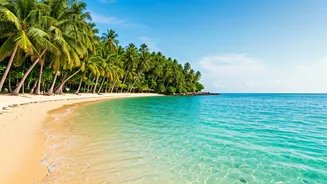
The Andaman and Nicobar Islands are a year-round destination, but the peak tourist season is from October to March. To avoid the crowds and high prices, consider traveling during the shoulder months of April, May, or early October. During this time, the weather is still largely favourable for water activities like snorkelling and scuba diving, but with fewer tourists. While the official monsoon season is from June to September, travelling just outside the peak window gives you a chance to experience the islands' pristine beauty, like the famed Radhanagar Beach, in relative solitude. You'll find better deals on flights and accommodation, making it a smart choice for a tranquil escape.
Embrace a Different Kind of Monsoon
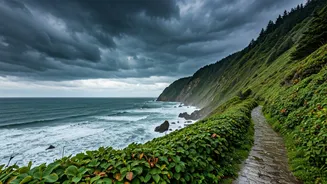
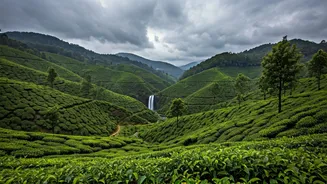
If you don’t mind the rain and prefer lush landscapes over sunbathing, consider embracing the monsoon where it’s most beautiful. In places like Kerala and the Konkan region, the monsoon transforms the area into a green paradise with roaring waterfalls and misty hills. This season, from June to September, is not for swimming in the rough seas, but it's perfect for Ayurvedic treatments, which are said to be more effective in the moist, cool climate. It’s also a great time for scenic drives and enjoying the dramatic, rain-washed coastline from a cosy resort at a fraction of the peak-season cost.