






The Monsoon Dehydration Trap
It seems counterintuitive to get dehydrated when there is water everywhere, but the high humidity of the monsoon season is precisely the problem. High humidity, often above 60%, prevents your sweat from evaporating effectively. [4, 10, 13] Your body's
primary cooling mechanism is blunted, so it keeps producing more sweat in an attempt to cool down, leading to significant fluid and electrolyte loss without you necessarily feeling hot or thirsty. [2, 10, 13] This is because cooler temperatures can reduce the brain's thirst signals. [16] This combination of increased sweating and reduced thirst creates a perfect storm for dehydration, which can manifest as fatigue, headaches, brain fog, and a weakened immune system. [2, 16, 17]
Boost Immunity and Digestion
Staying hydrated is one of your best defences during the monsoon, a season notorious for an increase in infections. [2, 11] Proper hydration helps your immune system function efficiently, flushing out toxins and supporting the production of immune cells that fight off the bacteria and viruses that thrive in damp conditions. [9, 11] It also plays a vital role in digestive health. Adequate water intake helps prevent constipation and ensures your digestive system can properly absorb nutrients from your food, keeping you energised and healthy. [9]
Think Beyond Plain Water
If cold water doesn't appeal to you on a cool, rainy day, there are many other ways to stay hydrated. Warm beverages can be comforting and effective. Traditional Indian monsoon drinks like masala chai, ginger tea, tulsi water, and turmeric milk (haldi doodh) not only provide fluids but also contain spices with immunity-boosting and anti-inflammatory properties. [12, 15, 21, 22] Warm soups and clear broths are another excellent choice, as they replenish both fluids and essential electrolytes like sodium that are lost through sweat. [26]
Eat Your Hydration
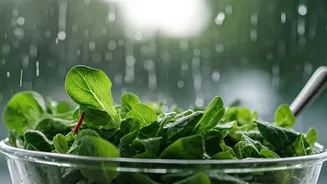
A significant portion of your daily fluid intake can come from the food you eat. Many fruits and vegetables that are readily available during the monsoon have high water content. Incorporate foods like cucumber (96% water), tomatoes (95% water), and spinach (93% water) into your meals. [3, 8] Fruits like jamun, plums, and pears are also excellent seasonal choices. [6] Curd (dahi) is another great option; it's not only hydrating but also packed with probiotics that support gut health. [3]
Prioritise Water Safety
Hydration is crucial, but so is the safety of the water you consume. The monsoon season sees a sharp spike in waterborne diseases like cholera, typhoid, and hepatitis A due to contamination of water sources from runoff and overflowing sewage systems. [7, 24] It's essential to ensure your drinking water is safe. Boiling water for at least one full minute is the most reliable method to kill all harmful bacteria and viruses. [7] If you use a water purifier, a combination of RO (Reverse Osmosis) and UV (Ultraviolet) is recommended, but even then, boiling RO-purified water during peak monsoon offers an extra layer of safety. [7, 14] Be cautious of water and ice from outside vendors, including juices and street-side nimbu pani. [25]