




A Groundbreaking Project in Lucknow
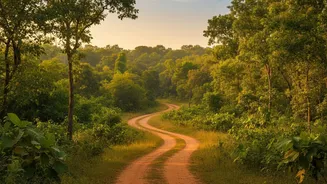
Uttar Pradesh is poised to redefine wildlife tourism with the development of India's first urban night safari in Lucknow's Kukrail Reserve Forest. After receiving final clearance from the Supreme Court in July 2026, this landmark project is moving forward,
inspired by the world-renowned Singapore Night Safari. The ambitious plan aims to create an immersive environment where visitors can observe animals that are most active after sunset. The project will be developed on approximately 855 acres within the sprawling 2,027-hectare Kukrail Reserve Forest, a significant green space on the outskirts of the city. With an estimated cost of around ₹1,500 crore, the initiative is divided into two main phases: the night safari and a modern day zoo.
What Makes a Night Safari Different?
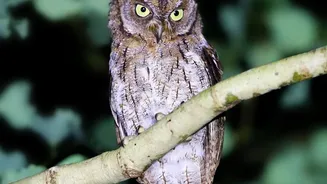
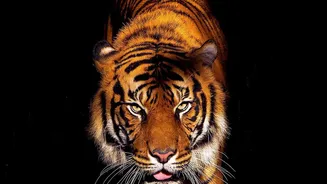
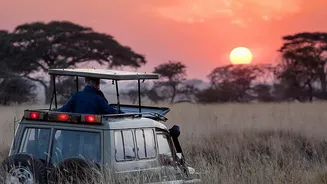
Unlike a traditional zoo where animals are often seen resting during the day, a night safari focuses on the secret lives of nocturnal creatures. The core concept is to allow visitors to see animals like tigers, leopards, and bears when they are naturally most active—hunting, playing, and exploring. To achieve this, the Kukrail Night Safari will use a specialised lighting system designed to mimic moonlight. This ensures that animals are not disturbed while providing clear visibility for guests. Visitors will travel through the park on quiet, battery-operated trams on a journey expected to last around 40 minutes, moving through carefully designed habitats that replicate natural ecosystems.
The Stars of the Show After Dark
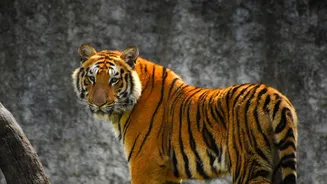
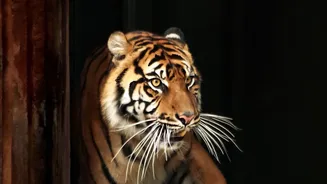
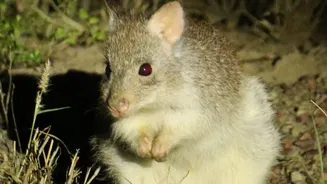
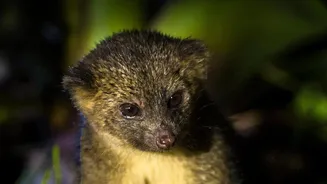
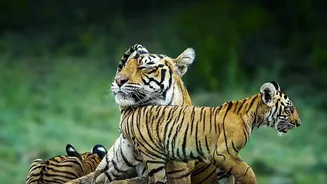
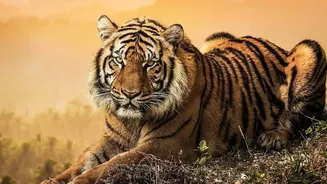
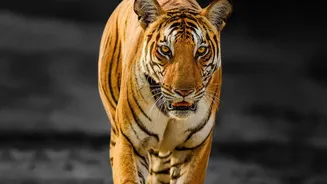
The safari plans to house a diverse range of species in large, naturalistic enclosures instead of traditional cages. Initial plans suggest enclosures for magnificent animals including Asiatic lions, Bengal tigers, leopards, and hyenas. Other species like flying squirrels, various deer, and sloth bears are also expected to be part of the experience. The park will feature theme-based zones modelled on different ecosystems, such as the African savanna and Indian wetlands, to create an immersive journey for visitors. The entire design prioritises animal welfare, with enclosures separated from visitor pathways by moats or glass barriers to ensure both safety and an unobstructed view.
More Than Just Wildlife Viewing
The Kukrail project is envisioned as a comprehensive eco-tourism hub. Beyond the night safari and day zoo, the master plan includes a variety of attractions and facilities. These include nature trails for forest walks, recreational zones, and visitor interpretation centres to provide educational context. While some initial proposals like a large adventure zone were scaled back to protect the forest's ecology, amenities such as a cafeteria and children's play areas are still part of the development. The project also aims to build on Kukrail's existing legacy of conservation, which includes India's oldest and most successful gharial rehabilitation centre, established in 1975.
Timeline and What to Expect
After years of planning and navigating regulatory approvals, the project received its final go-ahead from the Supreme Court in mid-July 2026. Construction for the first phase is expected to take approximately 24 months. While some earlier reports mentioned a 2026 opening, a phased launch between late 2026 and mid-2027 seems more likely as construction gets underway. The court has mandated strict environmental compliance, including limiting road widening and minimising tree felling, with a committee appointed to monitor progress. An initial plan to relocate the existing Lucknow Zoo to Kukrail was also rejected by the court-appointed committee to preserve the historic zoo's role as an urban green lung.