
A Major European Eclipse
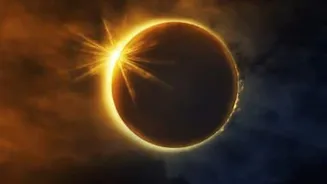
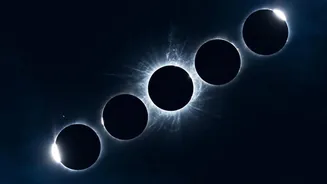
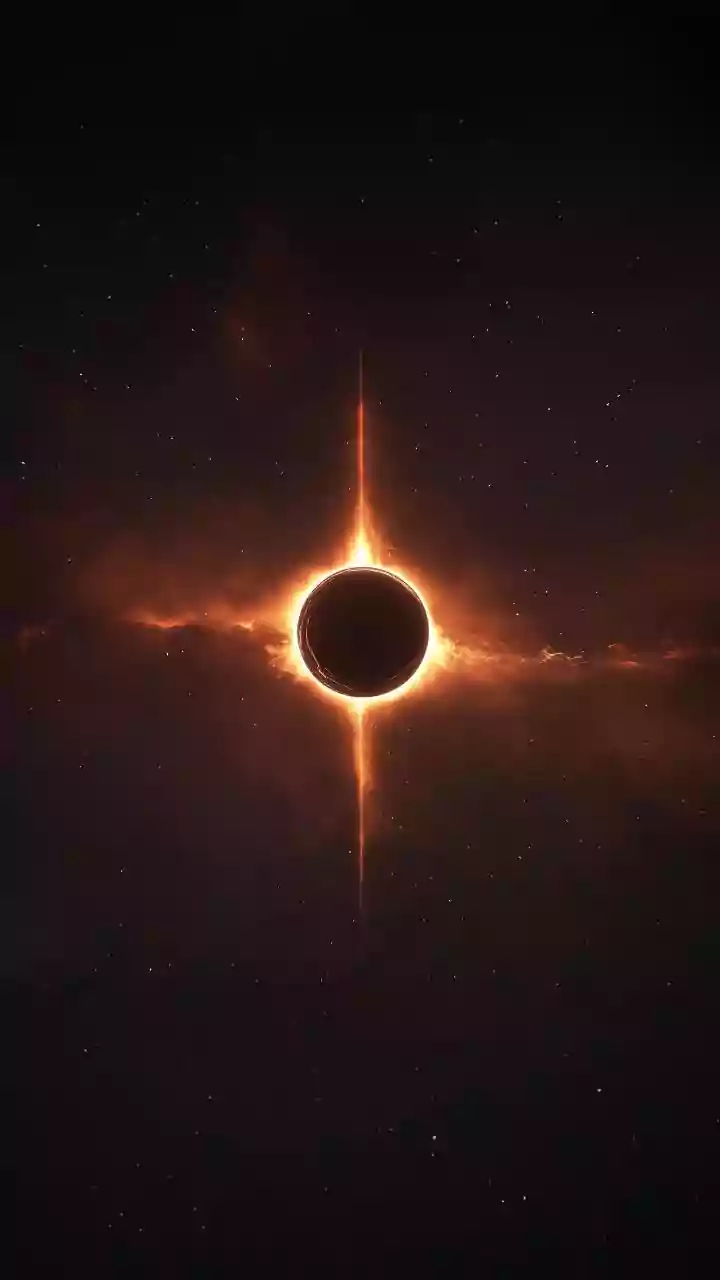
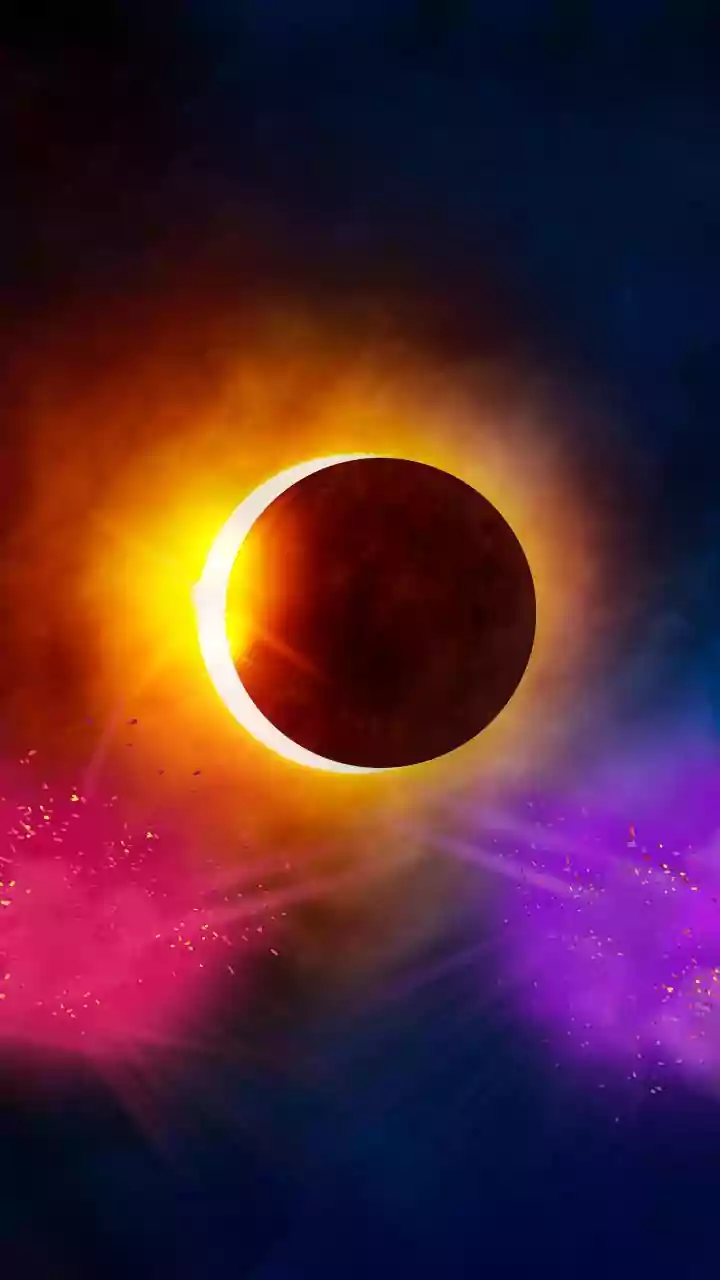
On August 12, 2026, a total solar eclipse will chart a path across the globe, the first to be visible from continental Europe since 1999. The path of totality, where the Moon completely obscures the Sun, will begin over Greenland, pass over western Iceland,
and sweep across northern Spain. This makes cities like Reykjavik, Bilbao, and Valencia prime viewing locations. For those in these specific areas, the sky will darken, temperatures may drop, and the Sun's wispy outer atmosphere, the corona, will become visible for up to 2 minutes and 18 seconds. While much of Europe, parts of North America, and northwest Africa will see a partial eclipse, India is not in the path of visibility.
Why It's Not Visible From India
The simplest reason the August 12 eclipse won't be seen from India is geography and timing. A solar eclipse is visible only from the locations where the Moon's shadow falls upon the Earth. For this event, the shadow traces a path across the North Atlantic and Western Europe. The entire eclipse, from the first partial phase to the last, will occur during nighttime hours in the Indian subcontinent. The celestial alignment begins long after sunset in India, making direct viewing impossible. Consequently, associated religious or cultural observances like Sutak Kaal will not apply in India as the eclipse is not visible.
How to Watch Live from India
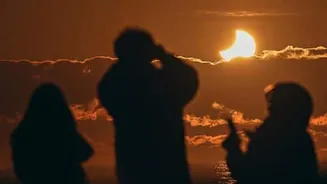
Skywatchers in India can enjoy a front-row seat to the spectacle thanks to official live broadcasts from the world's leading space agencies. Both NASA and the European Space Agency (ESA) have announced comprehensive live streams. NASA will begin its coverage at 1:15 p.m. EDT, featuring live telescope feeds from multiple locations along the path of totality, including Iceland and Spain, coupled with expert commentary. Similarly, the ESA will broadcast its own live event from the Observatorio Astrofísico de Javalambre in Spain. These broadcasts are typically streamed for free on their respective YouTube channels and websites, making the cosmic event accessible to everyone.
Key Timings for Indian Viewers
To catch the eclipse from India, you'll need to tune in late at night on August 12. The partial phase of the eclipse is set to begin around 9:04 PM Indian Standard Time (IST). The most exciting part, the beginning of the total eclipse, will happen at approximately 10:28 PM IST. The peak of the eclipse, when the Sun is most obscured, is expected around 11:16 PM IST. The event will continue past midnight, with the total eclipse phase ending around 12:04 AM on August 13, and the final partial phase concluding around 1:28 AM IST. Marking these times on your calendar will ensure you don't miss the key moments of totality.
A Bonus Night for Sky-Gazers
The celestial excitement doesn't end with the eclipse. The night of August 12-13 also marks the peak of the annual Perseid meteor shower. Because the eclipse occurs on a new moon, the night sky will be exceptionally dark, free from moonlight that would otherwise wash out fainter meteors. This creates perfect conditions for watching the Perseids, which can produce up to 100 meteors per hour in ideal, dark-sky locations. After watching the Sun disappear online, you can step outside and look up for a chance to see a flurry of shooting stars, making it a truly memorable night for astronomy enthusiasts.