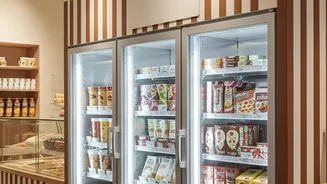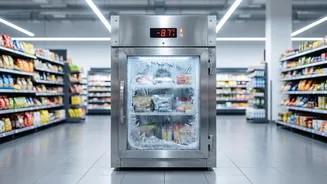







Imagine walking into a supermarket to find the freezer aisles blocked off and staff scrambling to discard tons of spoiled food. This isn't a power outage; it’s a new front in the cyber war targeting the cold chain that keeps our food safe.
What Exactly Happened?
In early November
2026, supermarket chains across at least seven European countries, including Ireland, Sweden, Belgium, and the Netherlands, reported a coordinated and bizarre incident. Overnight, the refrigeration and freezer units in hundreds of stores were remotely hacked. Instead of keeping food frozen, their temperatures were cranked up to as high as 50°C (122°F), effectively turning them into ovens. This followed a similar, massive attack in October that affected up to 700 supermarkets in France, causing tens of millions of euros in damage from spoiled goods. Retailers like Carrefour, SuperValu, and Coop arrived to find entire inventories of meat, dairy, and frozen products destroyed.
How Hackers Turn a Freezer Into an Oven
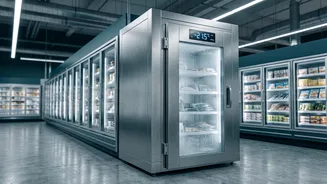
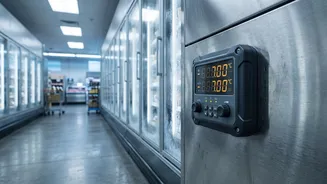
The attacks exploited vulnerabilities in a surprising place: the digital controllers that manage refrigeration systems. Many modern commercial freezers are 'smart' devices connected to the internet, allowing them to be monitored and managed remotely by technicians. However, this connectivity creates a new door for hackers. The attackers targeted specific vulnerabilities in older equipment from manufacturers like Danfoss and Copeland. These legacy systems often lack modern security features, sometimes run on outdated software that no longer receives updates, and may still use weak or default passwords. By gaining access, hackers could simply issue legitimate commands, such as activating a prolonged and high-temperature 'defrost cycle', to ruin the contents without needing sophisticated malware.
Inside the Race to Restore Cold
The response was a frantic, two-front battle. As store employees dealt with the immediate fallout—cordoning off aisles and disposing of spoiled inventory—IT teams and refrigeration contractors worked to regain control. One Belgian installation company began dispatching technicians at 1 a.m. to physically attend to the compromised units. In many cases, the first step was to sever the internet connection to the affected controllers to prevent further manipulation. The restoration then involved a painstaking process of resetting systems, changing default credentials, and, where possible, applying security patches that had been previously overlooked. For some stores, the only immediate solution was to remove all chilled and frozen products from sale until the systems could be secured, a process that took hours or even days.
A New Threat to the Global Food Chain
These attacks represent more than just a financial headache for retailers; they expose a critical vulnerability in the global food supply chain. Experts note that such incidents are not always for financial gain like typical ransomware, but are focused on causing widespread disruption and undermining public confidence. The EU's food and agriculture commissioner called the events a 'deliberate attempt to disrupt our food supply chain'. The U.S. government has also issued warnings about the ongoing threat, advising any organization that relies on cold storage to assume it could be a target. The attacks highlight the urgent need for better security standards for all 'Internet of Things' (IoT) devices, especially those controlling physical infrastructure.