

A Tradition Steeped in Sweetness
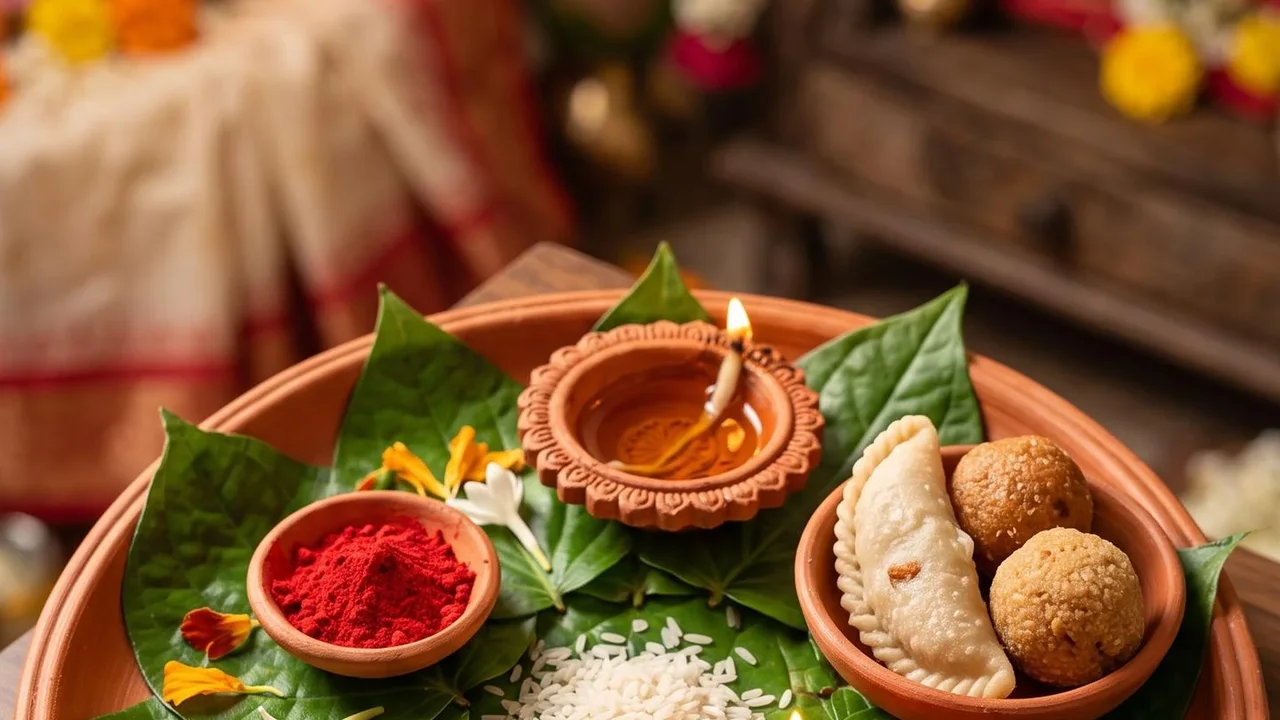
In Bengal, no celebration is complete without sweets, and Durga Puja is the grandest of them all. Sweets are not just treats; they are sacred offerings, or 'bhog', presented to the goddess to symbolize devotion, purity, and gratitude. Traditional offerings like
soft, spongy Rosogolla and delicate Sandesh are considered pure and ideal for prasad. Beyond the temples, handcrafted sweets like Narkel Naru (coconut ladoos) and creamy Payesh (rice pudding) are made in homes and exchanged between friends and family, weaving a thread of community and shared joy. This connection between faith and flavour makes the festival a five-day gastronomic journey where sweets are the undisputed highlight.
The Keepers of a Fading Craft
At the heart of this tradition are the 'moiras', the hereditary confectioners who have been guarding these recipes for generations. In the narrow lanes of Kolkata, heritage sweet shops like Girish Chandra Dey & Nakur Chandra Nandy (established in 1844) and Bhim Chandra Nag (established in 1826) are not just businesses but institutions. Here, recipes are rarely written down. Instead, they are passed from one generation to the next through years of apprenticeship. The 'karigars' (artisans) learn by feel and instinct—knowing the exact texture of kneaded 'chhena' (fresh cottage cheese) or the precise moment jaggery has caramelized. This oral tradition ensures that the soul of the sweet, its unique taste and texture, remains unchanged.
The Art of Slow and Steady
What separates an artisanal sweet from a mass-produced one is the process. The foundation of most Bengali sweets is chhena, made by curdling fresh, full-cream milk. The quality of this base ingredient is paramount. Artisans then knead the chhena by hand until it is perfectly smooth, a crucial step for making melt-in-the-mouth Sandesh or a perfectly spongy Rosogolla. Another key ingredient is Nolen Gur, or date palm jaggery, a winter delicacy with a deep, smoky caramel flavour that is impossible to replicate. This dedication to fresh ingredients and time-honoured, manual techniques is a stark contrast to modern, machine-led production.
A Recipe for Survival
Despite their cultural importance, these traditional sweetmakers face immense pressure. The rising cost of pure milk, chhena, and Nolen Gur makes it difficult to compete with cheaper, factory-made sweets. Furthermore, there is a shortage of skilled labour, as the younger generation often seeks opportunities outside the physically demanding and time-consuming world of the maira. Many heritage shops also struggle with space constraints and are hesitant to adopt modern franchise models, fearing a loss of quality and brand identity. The result is a slow disappearance of a priceless culinary art form.
The Festival Lifeline
For these artisanal businesses, Durga Puja is more than a festival; it is a critical economic lifeline. The surge in demand during these five days provides the revenue needed to sustain them through leaner months. During Puja, a box of traditional mishti is the quintessential gift, a gesture of warmth and respect when visiting friends and relatives. This seasonal rush allows the mairas to continue their craft, investing in the raw materials and paying the karigars who are the true custodians of this heritage. The festival reinforces the cultural value of authentic, handcrafted sweets, reminding a new generation of the taste of tradition.