





The Ancient Wisdom of Monsoon Eating
The arrival of Shravan coincides perfectly with the peak of the monsoon season, a time when, according to Ayurveda, our digestive fire, or 'agni', is naturally weaker. The increased humidity and dampness can slow down our metabolism, making the body more
susceptible to issues like bloating, indigestion, and general sluggishness. Furthermore, the monsoon environment is a breeding ground for germs and bacteria, increasing the risk of water-borne illnesses. The traditional Shravan diet is a direct and intelligent response to these seasonal challenges. By focusing on light, easily digestible foods, the diet aims to support the digestive system, detoxify the body, and bolster immunity when it's most vulnerable.
Embracing the 'Satvik' Philosophy
The foundation of the Shravan plate is the 'satvik' food philosophy. In Ayurveda, foods are categorized by their qualities or 'gunas'. Satvik foods are considered pure, harmonious, and calming for both body and mind. This category includes fresh fruits, most vegetables, dairy products like milk and ghee, nuts, and certain grains. The diet specifically excludes 'tamasic' (dull, heavy) and 'rajasic' (stimulating, agitating) foods. This is why ingredients like onion and garlic, which are considered tamasic, are traditionally avoided. The goal is to consume food that provides clean energy without over-stimulating the senses or weighing down the digestive system, fostering a state of mental clarity and physical lightness.
What's On the Shravan Plate
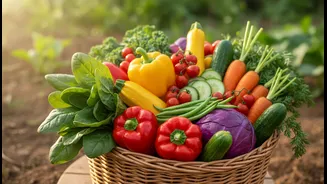
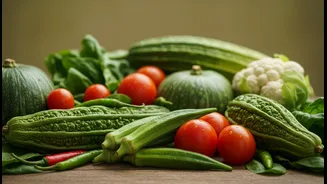
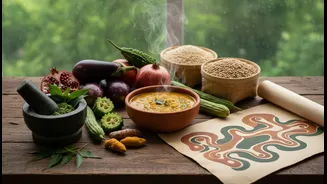
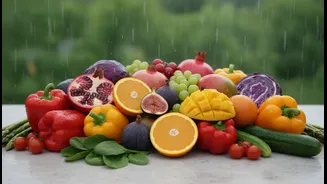
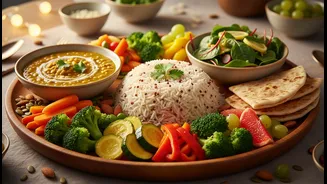
A typical Shravan meal is a vibrant assembly of fasting-friendly ingredients. Grains like wheat and rice are replaced with alternatives such as kuttu (buckwheat), rajgira (amaranth), and samak rice (barnyard millet). These are often used to make puris, parathas, or khichdi. Sabudana (tapioca pearls) is another star ingredient, used in classics like khichdi and vadas. For vegetables, root vegetables and gourds are preferred, including potatoes, sweet potatoes, pumpkin, and bottle gourd. Dairy products like paneer, curd, and milk provide essential protein and calcium to keep you full and energized. Seasoning is kept simple and pure, with sendha namak (rock salt) replacing regular table salt and mild spices like cumin, ginger, and black pepper being used.
What to Leave Off Your Plate
The list of foods to avoid during Shravan has a strong health-based logic. Non-vegetarian food is strictly prohibited, as the monsoon is a breeding season for many animals and fish, increasing the risk of contamination and infection. Heavy meats are also harder to digest when the body's metabolic rate is low. Leafy green vegetables, while normally healthy, are often avoided because the excess moisture during this season makes them prone to carrying germs, mud, and tiny insects that are hard to wash off completely. In addition to onions and garlic, other items like lentils, certain spices like turmeric and garam masala, and fermented foods are also typically excluded to keep the meal light and easy on the gut.
A Seasonal Reset for Modern Times
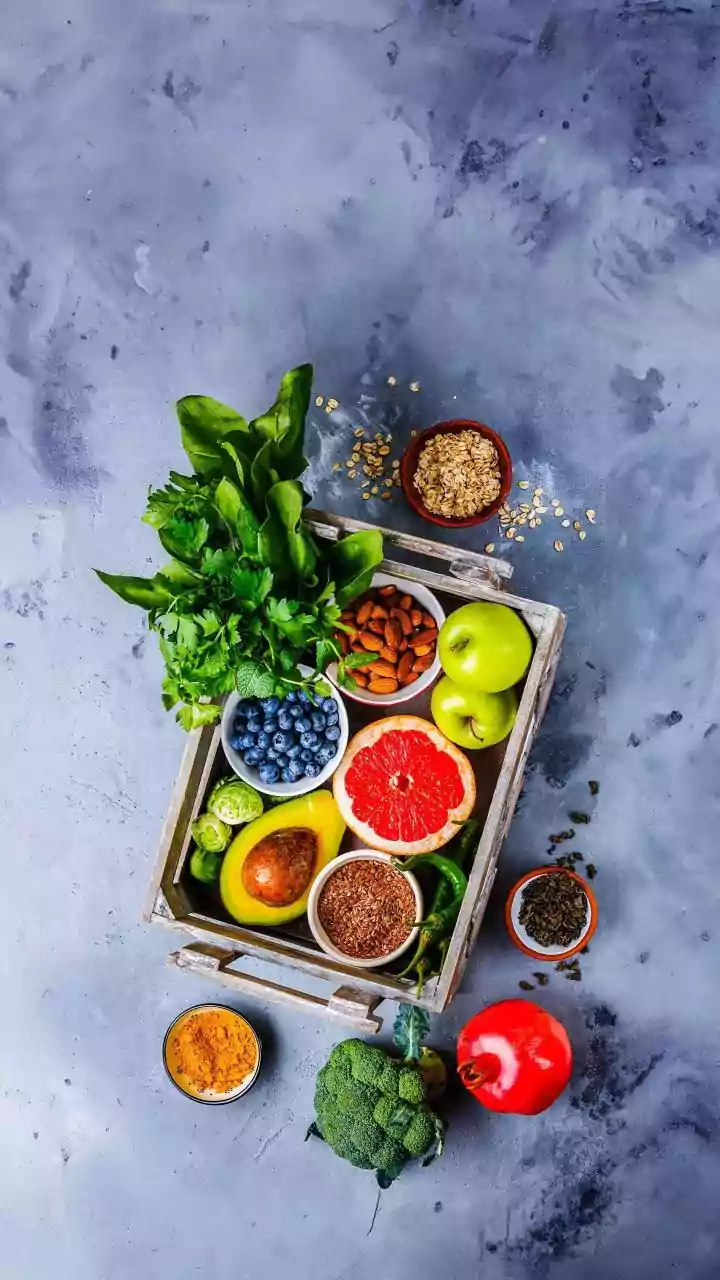
While rooted in spiritual practice, the Shravan diet is essentially a seasonal cleanse that aligns our bodies with the rhythm of nature. It’s not about deprivation but about mindful eating. By giving the digestive system a break from heavy, processed, and hard-to-digest foods, the body gets a chance to rest and rejuvenate. The focus on whole foods, fruits, and dairy provides a rich source of vitamins, minerals, and protein. Even if you're not observing a strict fast, incorporating some of these principles—like eating lighter meals, avoiding heavy non-vegetarian dishes, and being mindful of produce hygiene—can lead to better energy levels, improved digestion, and stronger immunity throughout the monsoon season.