



The Quest for Freshness and Purity
A primary driver for this green shift is the desire for genuinely fresh and safe produce. Store-bought greens often travel long distances, losing nutritional value and flavour along the way. More critically, concerns over chemical contamination are widespread.
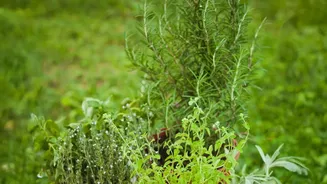
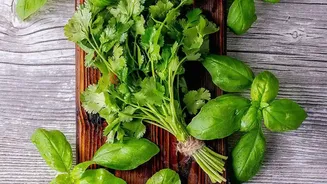
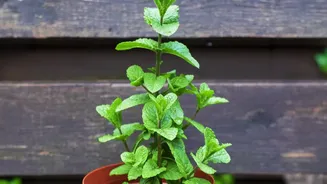
Reports have highlighted the presence of pesticides in farm products sold across Tamil Nadu, including common greens and curry leaves. By growing herbs like mint, basil, and coriander at home, residents gain complete control over what goes into their food, ensuring it is free from harmful chemicals and harvested at its peak freshness. This direct oversight provides peace of mind that the commercial supply chain simply cannot match.
Flavour and Health on Demand
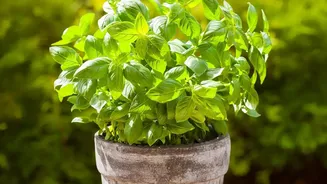
There is a world of difference in taste between a freshly plucked herb and one that has been sitting in cold storage. Homegrown herbs are packed with essential oils, which deliver a far more potent aroma and flavour to any dish. This enhanced taste encourages healthier home cooking. Furthermore, many herbs integral to Indian cuisine, such as tulsi (holy basil), ajwain (carom), and mint, are renowned for their medicinal properties. Having a ready supply of these plants allows families to easily incorporate them into home remedies for common ailments, boosting immunity and promoting overall wellness. Growing them at home ensures they are consumed in their most potent and beneficial state.
An Answer to Rising Grocery Bills
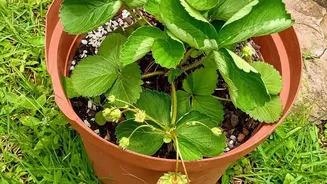
Beyond health and flavour, economics plays a significant role. The cost of fresh produce, especially herbs that are often sold in small, expensive bunches, can add up. Cultivating a small herb garden is a cost-effective alternative. With a minimal initial investment in seeds or saplings and some soil, a household can have a continuous supply of essential greens for months. Herbs like mint and curry leaves, once established, require little maintenance and can significantly reduce a family’s monthly grocery expenditure. This financial benefit makes home gardening an attractive and practical choice for many urban households watching their budgets.
Gardening as Urban Therapy
In the fast-paced, concrete environment of a metropolis like Chennai, gardening offers a much-needed therapeutic escape. The simple act of tending to plants—watering, pruning, and watching them grow—is a proven stress reducer. It provides a gentle form of daily exercise and a way to connect with nature, even in a small apartment. For many, this daily ritual becomes a calming routine and a source of purpose and joy. This mental health benefit is a powerful, if less tangible, reason why more city dwellers are making space for greenery in their lives. The practice is seen not just as food production but as a hobby that nurtures well-being.
Small Spaces, Big Possibilities
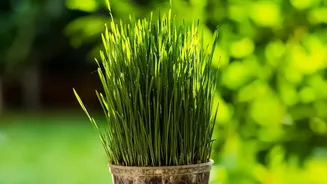
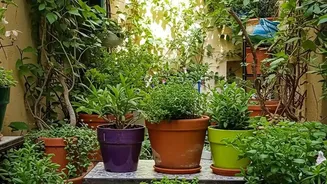
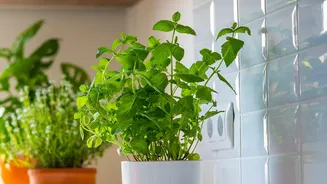
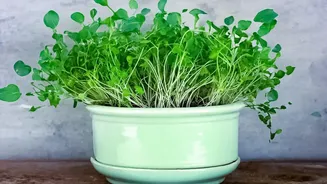
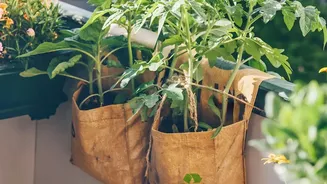
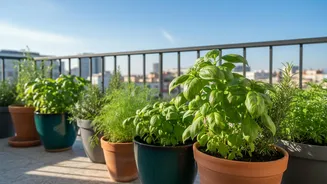
The notion that gardening requires a large backyard is outdated. One of the reasons for the boom in urban farming is the adaptability of herbs to small spaces. Balconies, windowsills, and vertical wall planters are all viable locations for a thriving herb garden. Initiatives like the Chennai Urban Farming Initiative (CUFI) promote these space-saving techniques, providing residents with kits and guidance to get started. Herbs like mint, coriander, holy basil, and lemongrass are particularly well-suited to Chennai's climate and can flourish in containers, making it easy for anyone, even in a high-rise apartment, to enjoy the rewards of growing their own food.