




Why Monsoon Cleaning is Different
The rainy season in India creates a unique environment inside our homes. High humidity becomes a constant, turning cupboards, walls, and fabrics into potential breeding grounds for mould and mildew. This leads to that persistent musty odour that seems
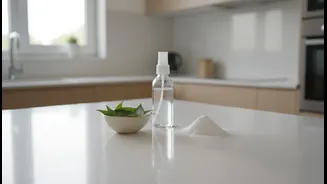
to cling to everything. The dampness also encourages pests like ants, cockroaches, and silverfish to seek shelter indoors. This trifecta of dampness, mould, and pests requires a cleaning strategy that is both effective and consistent. While commercial cleaners are an option, their heavy chemical load can be a concern for indoor air quality, especially when homes are kept closed against the rain. This is where turning to natural, readily available ingredients becomes not just a traditional practice, but a smart, modern solution for a healthy home.
Vinegar: The Acidic Ally Against Grime and Mould
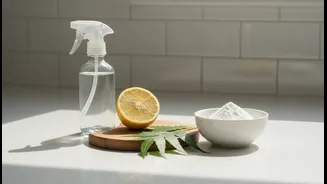
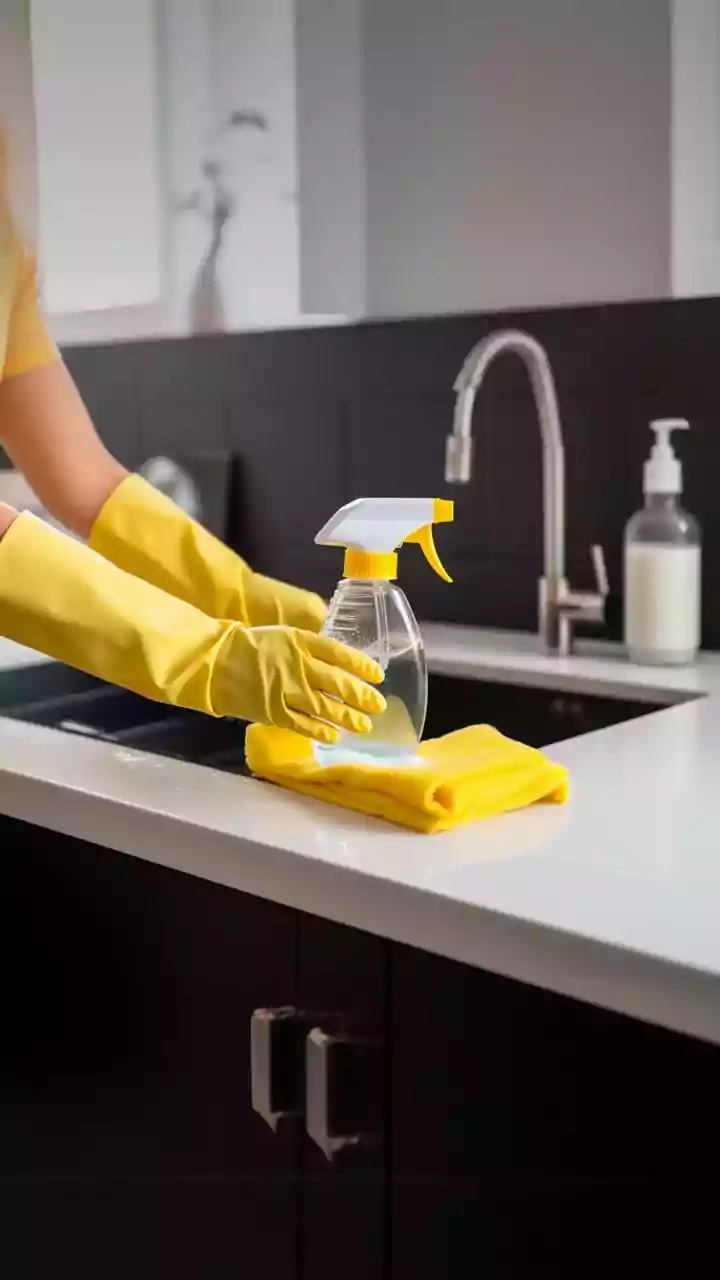
White vinegar, a common kitchen ingredient, is a formidable cleaning agent thanks to its acetic acid content. This mild acid is brilliant at cutting through grease, dissolving mineral deposits (like limescale on taps), and, most importantly for the monsoon, tackling mould. Studies show that its antifungal properties can inhibit the growth of many common household mould species. To make a powerful all-purpose cleaner, mix equal parts white vinegar and water in a spray bottle. Use this to wipe down countertops, tiles, and window sills. For visible mould on walls or other hard surfaces, spray undiluted vinegar, let it sit for an hour, and then scrub the area clean. You can also add half a cup of vinegar to your laundry's rinse cycle to help get rid of musty smells from clothes and towels that take too long to dry. A word of caution: never use vinegar on natural stone surfaces like marble or granite, as the acid can cause damage.
Baking Soda: The Gentle Deodoriser and Scrubber
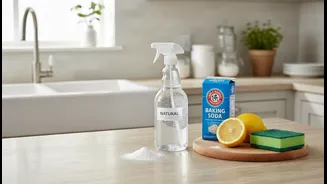
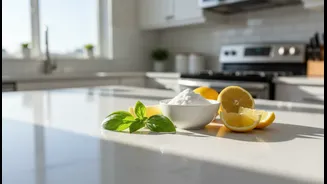
Baking soda (sodium bicarbonate) is another kitchen hero, working its magic as a gentle abrasive and a powerful odour neutraliser. Its alkaline nature helps it break down dirt and grease, while its fine particles can scrub surfaces without scratching them. During the monsoon, its most valuable property is its ability to absorb moisture and smells. Place an open box or a small bowl of baking soda inside refrigerators, wardrobes, and kitchen cabinets to combat musty odours. To freshen damp carpets and rugs, sprinkle a generous amount of baking soda over them, let it sit for about 30 minutes, and then vacuum it up thoroughly. For cleaning tile grout or stubborn stains on sinks, create a paste with baking soda and a little water. Apply the paste, let it sit, and then scrub with a brush before rinsing. It's a simple, effective, and non-toxic way to keep your home smelling fresh.
Neem: Nature's Pest Repellent
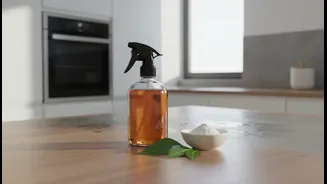
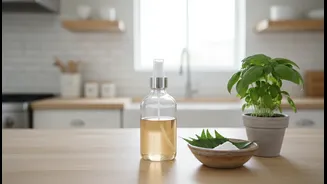
Neem has been a cornerstone of traditional Indian households for centuries, revered for its potent antibacterial, antifungal, and insect-repelling properties. During the monsoon, when pests are more prevalent, neem offers a natural line of defence. To make a simple and effective floor cleaner, boil a handful of neem leaves in water, let it cool, and then use this water for mopping. This not only cleans the floor but also helps deter ants and other insects. For a more targeted approach, you can create a neem oil spray by mixing a few drops of neem oil with water and a small amount of liquid soap to help it emulsify. This spray can be used on plants, near window sills, and in corners to keep pests at bay. Placing dried neem leaves in wardrobes is also a traditional method to protect clothes from insects.
Using Them Together: Safety and Best Practices
While these three ingredients are powerful on their own, it's important to use them correctly. Many online hacks suggest mixing vinegar and baking soda. When combined, these two create a fizzing reaction that is mostly carbon dioxide gas and water, neutralizing the cleaning power of both the acid (vinegar) and the base (baking soda). For tough jobs, it is more effective to use them in succession: scrub with a baking soda paste first, rinse, and then spray with vinegar to disinfect. Always test any cleaning solution on a small, inconspicuous area first to ensure it doesn’t damage the surface. Keep these natural cleaners in clearly labelled bottles and out of reach of children. By understanding what each ingredient does, you can create a cleaning routine that is effective, affordable, and much kinder to your home's environment.