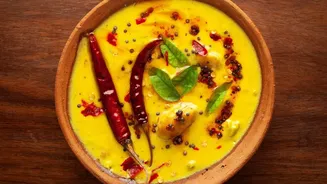







Embrace Easy-to-Digest Gourds
During the rainy season, Ayurveda suggests that our digestive fire, or 'Agni', becomes weaker. This makes it important to favour foods that are light and easy on the stomach. Gourds are an excellent choice. Vegetables like bottle gourd (lauki), ridge
gourd (turai), bitter gourd (karela), and snake gourd (chichinda) are mainstays of a monsoon diet. They are high in water content and fibre, yet easy to digest. Traditionally, karela is valued for its properties that are believed to help the body manage seasonal changes. Opt for steamed, grilled, or lightly sautéed preparations over heavy, fried dishes to keep meals nourishing and simple.
Choose Immunity-Boosting Fruits
The monsoon is the perfect time to load up on fruits that strengthen your body's defences. Seasonal gems like jamun (Java plum), plums (aloo bukhara), peaches, and pears (nashpati) are rich in vitamins and antioxidants. Jamun, a low-calorie monsoon favourite, is packed with iron, folate, and potassium. Fruits rich in Vitamin C, like amla, guava, and various citrus fruits, are particularly beneficial as they help the body produce white blood cells that fight infections. Always ensure you wash all fruits thoroughly with clean water before eating to remove any contaminants.
Rely on Light Lentils and Pulses
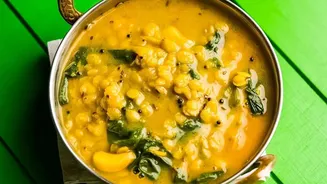
Heavy proteins can be difficult to digest during the humid monsoon months. This is why lighter lentils and pulses are highly recommended. Moong dal, in particular, is one of the most digestible lentils and is a cornerstone of the Ayurvedic monsoon diet. It nourishes the body without overburdening the digestive system. Dishes like khichdi, made with rice and moong dal, are considered the ultimate comfort food for this season. They are warm, balanced, and easy to digest, making them a perfect choice for dinner. Including a variety of light pulses in your meals ensures you get the protein you need to maintain energy and support immune cell production.
Harness the Power of Spices
Indian kitchens are a treasure trove of spices that do more than just add flavour; they offer immense health benefits, especially during the monsoon. Ginger, garlic, turmeric, and black pepper are your best allies this season. Ginger has anti-inflammatory properties and aids digestion, making it a perfect addition to teas, soups, and curries. Turmeric, with its active compound curcumin, is a powerful antioxidant. Spices like cumin (jeera) and ajwain (carom seeds) are also known to support a sluggish digestive system. Using these spices in your daily cooking can help keep your body warm and fight off seasonal infections.
A Word of Caution on Leafy Greens
While leafy green vegetables are incredibly nutritious, they require extra care during the monsoon. The damp environment can make them a breeding ground for germs and dirt. It is generally advised to reduce the intake of raw salads and uncooked greens. If you do consume leafy vegetables like spinach (palak) or fenugreek (methi), make sure they are washed meticulously, preferably in warm water with a pinch of salt, and cooked thoroughly before eating. Cooking helps eliminate harmful bacteria and makes them safer for consumption. Opting for well-cooked dishes like palak dal or sabzi is a better choice than a raw spinach salad.
Opt for Warm, Cooked Grains
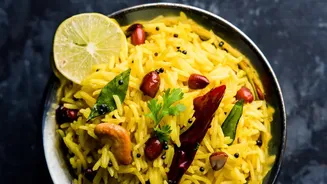
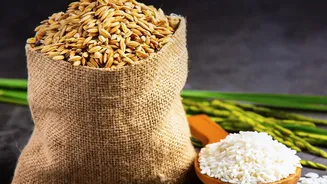
The principle of eating warm and freshly cooked food extends to grains as well. Ancient grains like millets are an excellent addition to a monsoon diet. They are nourishing and have been a part of traditional Indian diets for generations. Along with rice, wheat, and barley, these grains provide the necessary carbohydrates for energy. Simple preparations like warm porridge, upma, or freshly made rotis are preferable to cold, stale, or processed grain products. These warm meals are comforting and align with the body's need for easily digestible food during this season.