



1. The Great Grain Swap
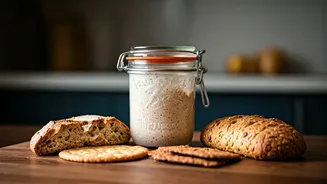
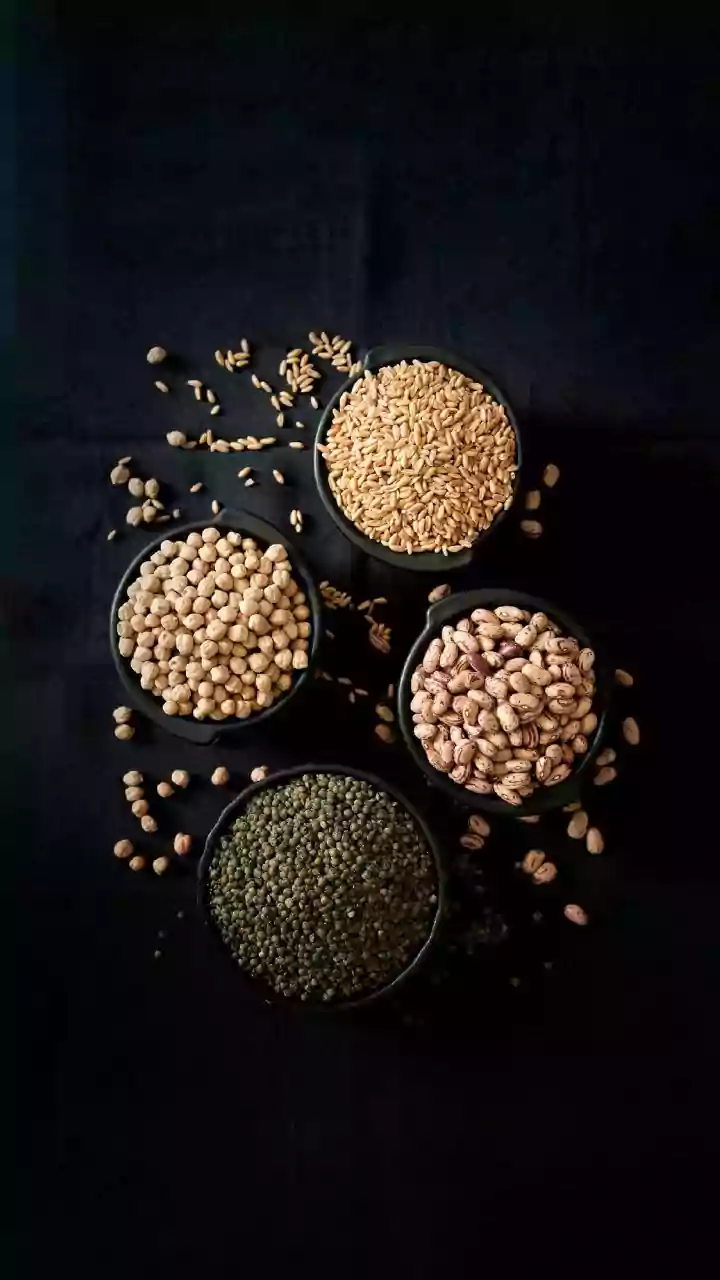
The simplest yet most impactful change starts with your flour. For generations, refined flour (maida) has been a staple in celebratory dishes, from fluffy bhaturas to flaky parottas. The modern twist involves swapping it for whole grains. Whole wheat
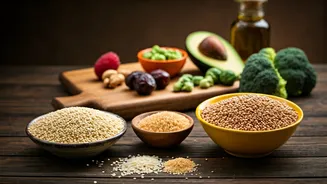
flour (atta) is now the default for more than just rotis; it’s being used to create healthier cakes, cookies, and pasta. But the real stars of this shift are millets. Forgotten grains like ragi (finger millet), jowar (sorghum), and bajra (pearl millet) are making a huge comeback. They are naturally gluten-free, high in fibre, and packed with nutrients. Think ragi dosas, jowar bhakris, and even millet-based khichdi. These grains keep you full for longer, aid digestion, and help manage blood sugar levels, making them a fantastic upgrade for any meal.
2. Sweeten Smarter, Not Less
India’s love for sweets is legendary, but so is the concern over refined white sugar. The healthy twist isn’t about eliminating sweetness, but about choosing smarter sweeteners. Jaggery (gur) is leading this charge. Rich in iron and minerals, it imparts a rustic, caramel-like flavour to everything from the morning chai to traditional desserts like kheer and halwa. Date syrup and finely chopped dates are another fantastic alternative, providing natural sweetness and fibre, especially in laddus and energy bars. For a lighter touch, a spoonful of raw, unprocessed honey can replace sugar in dressings and beverages. This shift allows you to satisfy your sweet tooth while getting a small nutritional bonus, unlike the empty calories of refined sugar.
3. Rethink Your Cooking Methods
The sizzle of a deep-frying kadai is a quintessential kitchen sound, but it’s no longer the only option for achieving that perfect crunch. Health-conscious cooks are embracing new techniques. Air fryers have become a popular appliance, allowing you to make crispy samosas, cutlets, and pakoras with a fraction of the oil. Baking is another alternative; baked mathris or baked chicken tikka can be just as delicious. Even simple pan-searing or grilling with minimal oil can preserve flavour while cutting down on unnecessary fats. This doesn't mean giving up on traditional fats entirely. High-quality, cold-pressed oils like mustard and groundnut oil, used in moderation, are still valued, as is a dollop of pure ghee, which is rich in healthy fatty acids.
4. Sneak in More Vegetables
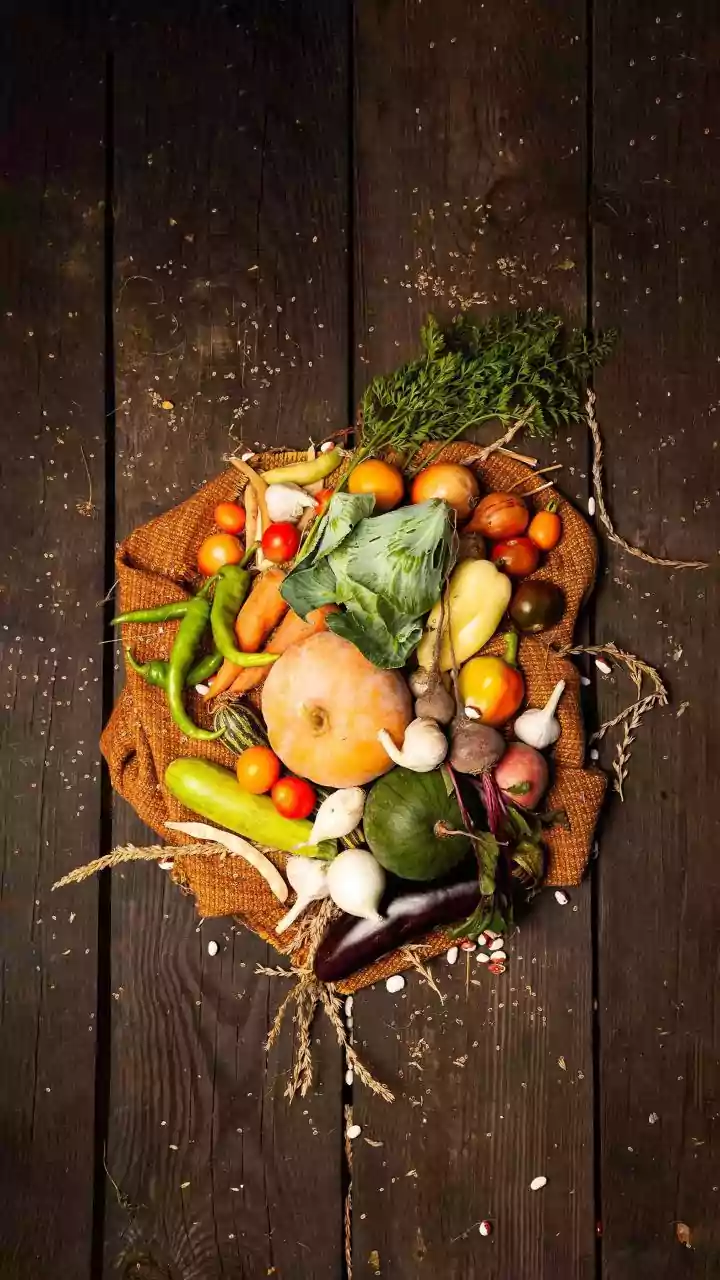
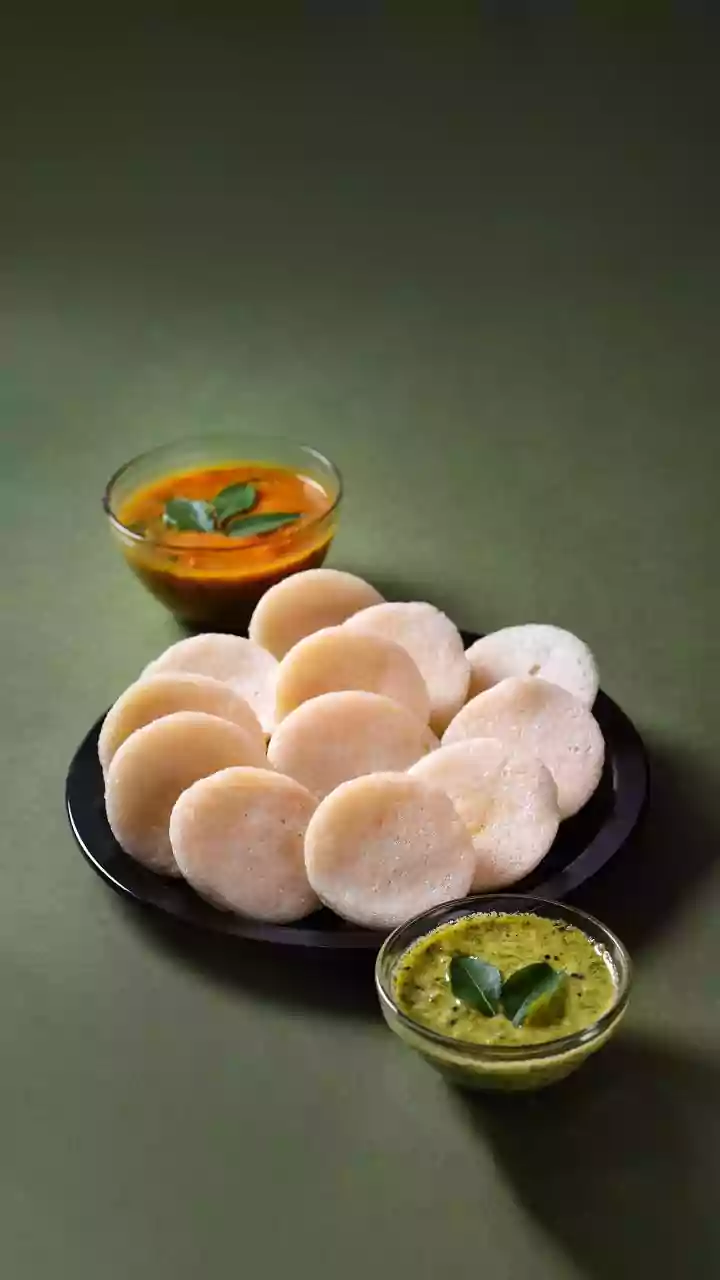
The age-old challenge of getting everyone to eat more vegetables has a clever new solution: hide them in plain sight. This isn't just for kids anymore. Finely grated vegetables like carrots, zucchini, beetroot, and lauki (bottle gourd) can be seamlessly mixed into dosa batter, paratha dough, or even idli batter. They add moisture, fibre, and a host of vitamins without drastically altering the taste or texture of the final dish. A vibrant beetroot paratha or a nutrient-packed vegetable uttapam looks and tastes more interesting. This technique is a simple way to increase your daily vegetable intake and add colour and nutrients to your family’s favourite comfort foods.
5. Boost the Protein Power
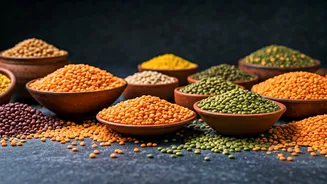
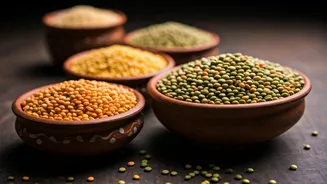
Traditional Indian vegetarian diets can sometimes be carb-heavy. The modern healthy approach focuses on consciously adding protein to every meal to enhance satiety and support muscle health. This is easier than it sounds. Tossing a handful of paneer cubes or boiled chickpeas into your vegetable pulao, adding a scoop of lentils (dal) to your vegetable soup, or using sprouted moong in salads are all simple ways to do it. For non-vegetarians, adding shredded chicken or a boiled egg to upma or poha can transform a simple breakfast into a balanced, protein-rich meal. The goal is to make your meals more nutritionally complete, ensuring they provide sustained energy rather than a quick carbohydrate rush.