






The Unsung Hero of Your Plate
Dietary fibre is a type of carbohydrate that our bodies can't digest, and that's precisely its superpower. It comes in two forms: soluble, which dissolves in water to form a gel, and insoluble, which adds bulk to stool. A diet rich in both types is crucial
for maintaining digestive health, regulating blood sugar levels, lowering cholesterol, and even aiding in weight management. It helps prevent constipation, reduces the risk of certain chronic diseases, and feeds the good bacteria in your gut. While modern diets often fall short, with urban Indians sometimes consuming less than half the recommended 25-40 grams per day, traditional Indian meals are naturally designed to be fibre-rich.
Go with the Grain: Millets and Whole Wheat
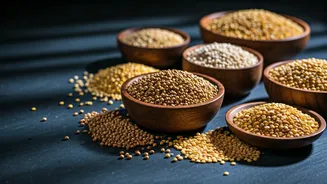
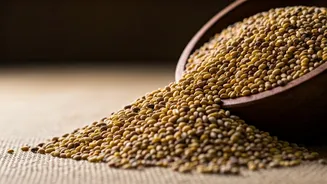
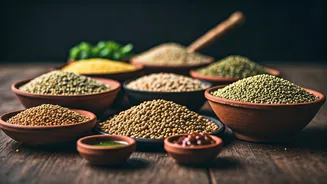
Long before oats became a breakfast staple, Indian households ran on a variety of robust grains packed with fibre. Millets like jowar (sorghum), bajra (pearl millet), and ragi (finger millet) are fibre powerhouses. In fact, millets often contain more dietary fibre than oats. These grains are used to make everything from rotis and bhakris to porridges, offering a steady release of energy. Simple whole wheat atta, used for daily chapatis, is another excellent source of insoluble fibre. Choosing these traditional grains over refined flour (maida) or polished white rice is one of the easiest ways to significantly boost your fibre intake.
The Daily Dal: A Pulse-Powered Solution
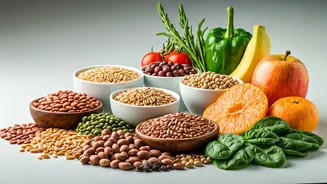
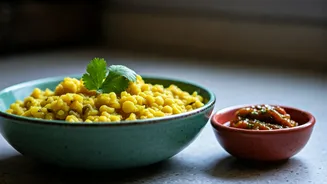
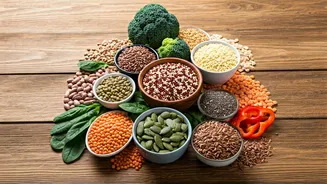
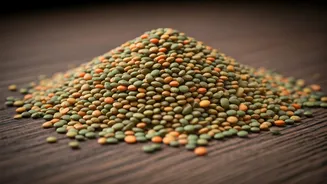
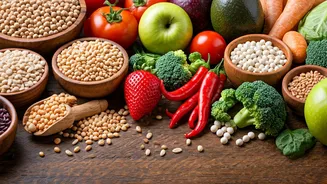
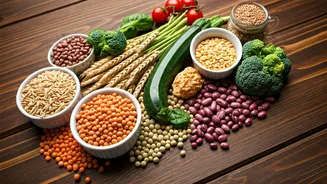
Lentils and legumes are the backbone of Indian cuisine, and for good reason. A serving of dal is not just a source of protein but also a fantastic source of both soluble and insoluble fibre. Whether it’s masoor dal, moong, chana, or rajma, these pulses are essential for good digestion. A bowl of rajma or a serving of chole masala doesn’t just satisfy the soul; it provides a substantial portion of your daily fibre needs. Sprouting pulses before cooking can further enhance their nutritional profile and make them even easier to digest.
The Rainbow on Your Thali: Vegetables
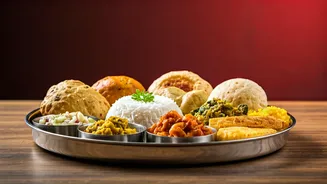
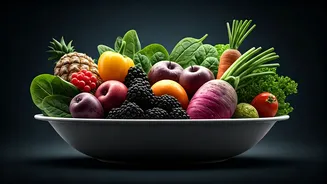
A typical Indian meal is incomplete without a 'sabzi', and this is where we load up on even more fibre. Common vegetables used in our cooking are incredibly rich in this nutrient. Leafy greens like spinach (palak) and fenugreek (methi) are excellent choices. Cruciferous vegetables like cauliflower and cabbage, gourds like lauki (bottle gourd), and others like bhindi (okra) and carrots are all fibre-dense. Making it a habit to include a variety of seasonal vegetables in your meals ensures you get a wide range of vitamins, minerals, and the fibre needed for a healthy gut.
Nature’s Dessert: Fruits and Seeds
The fibre journey doesn't end with the main course. Many fruits readily available in India are packed with fibre. Guava is considered one of the best sources, followed by apples (eaten with the skin), papaya, and bananas. These make for a perfect, healthy snack. Furthermore, traditional Indian practices often include seeds that are tiny but mighty. Flaxseeds (alsi), chia seeds (sabja), and sesame seeds (til) can be easily added to curd, smoothies, or rotis to add a crunchy, fibrous punch. Even snacks like roasted chana or makhana (fox nuts) are great, low-calorie, high-fibre options.