




Your Breath and the 'Fight or Flight' Response
When you feel anxious or sense danger, your body's sympathetic nervous system kicks into high gear. This is the 'fight or flight' response. Your heart rate increases, your breathing becomes shallow and rapid, and stress hormones like cortisol flood your system.
This response is designed for short-term survival, but when triggered by modern stressors or anxiety, it can leave you feeling overwhelmed and physically agitated. Deep, intentional breathing, on the other hand, activates the parasympathetic nervous system—often called the 'rest and digest' system. This system does the opposite: it slows your heart rate, lowers blood pressure, and promotes a sense of relaxation, effectively putting the brakes on anxiety.
The Foundation: Mastering Basic Belly Breathing
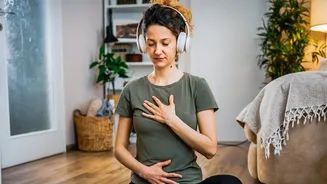
Before diving into specific pranayama (yogic breathing) methods, the first step is to master diaphragmatic breathing, or 'belly breathing'. Many of us breathe shallowly into our chests, which can worsen anxiety. Belly breathing engages the diaphragm, a large muscle at the base of your lungs, for a fuller, deeper breath that naturally calms the body. To practice, find a comfortable position, either lying on your back or sitting up straight. Place one hand on your upper chest and the other on your belly, just above your navel. Inhale slowly through your nose, focusing on drawing the air deep into your abdomen, as if filling a balloon. The hand on your belly should rise, while the hand on your chest remains relatively still. Exhale slowly through your mouth, feeling the hand on your belly fall as your stomach contracts. Start by practicing for 5-10 minutes a day to build the habit.
Pranayama Technique 1: The 4-7-8 Breath
Popularized by Dr. Andrew Weil, the 4-7-8 breathing technique is a simple yet potent tool for reducing anxiety. Its power lies in the extended exhale, which strongly stimulates the parasympathetic nervous system. To begin, sit or lie down comfortably and place the tip of your tongue on the tissue ridge behind your top front teeth. First, exhale completely through your mouth, making a 'whoosh' sound. Then, close your mouth and inhale quietly through your nose for a mental count of four. Hold your breath for a count of seven. Finally, exhale completely through your mouth, making the 'whoosh' sound again, for a count of eight. That completes one cycle. Repeat the cycle three to four times. This technique can become more effective with regular practice and is particularly useful for managing rising stress or to help you fall asleep.
Pranayama Technique 2: Nadi Shodhana
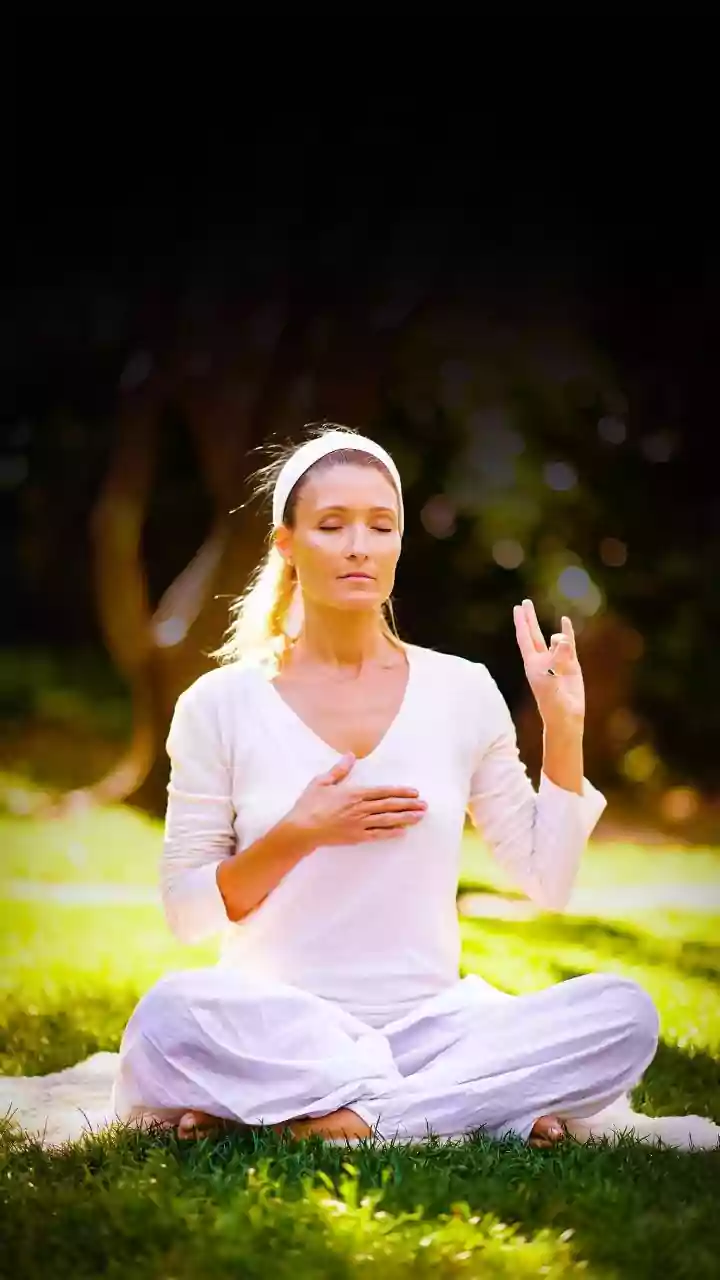
Nadi Shodhana, or Alternate Nostril Breathing, is an ancient yogic practice designed to calm the mind and balance the body's energy channels. Studies suggest it helps increase parasympathetic tone, promoting relaxation. To practice, sit comfortably with a tall spine. Fold the index and middle fingers of your right hand toward your palm. Close your right nostril with your right thumb and inhale slowly and deeply through your left nostril. Then, close your left nostril with your right ring finger, release your thumb from the right nostril, and exhale slowly through the right side. Next, inhale through the right nostril, close it with your thumb, and exhale through the left nostril. This completes one full round. Continue for 7-10 rounds, keeping your breath smooth and steady. The rhythmic nature of this practice helps to focus the mind and soothe the nervous system.
Making Calm a Conscious Habit
The key to using these breathing methods effectively during an anxiety attack is to practice them when you are calm. Consistent practice builds muscle memory and strengthens your body's ability to switch into a relaxed state when you need it most. You can start small. Try a 'mini' practice by taking just three deep belly breaths whenever you notice a moment of stress. Or, schedule five minutes of 4-7-8 breathing into your morning routine. By integrating these techniques into your daily life, you are not just learning a coping mechanism; you are actively rewiring your nervous system to be more resilient to stress. Your breath becomes a reliable anchor, always available to guide you back to a state of inner physical and mental calm.