



A Golden Opportunity
The return of cricket to the Olympics is a strategic masterstroke for both the International Olympic Committee (IOC) and the International Cricket Council (ICC). For the IOC, it’s a direct line to the massive, passionate, and lucrative South Asian market.
The inclusion of India, Pakistan, and other cricket-loving nations is expected to cause a significant spike in broadcast revenues and viewership, potentially adding over a billion new eyes to the Olympic spectacle. IOC officials have openly called it a "win-win," acknowledging that cricket reaches audiences they currently struggle to engage. For the ICC, Olympic inclusion offers unparalleled prestige and a platform for global expansion beyond its traditional Commonwealth strongholds. It provides access to government funding and development support in associate member nations, potentially professionalising the sport in new territories like Europe and the Americas.
The T20 Format Dilemma
The chosen format for the Games is T20, the fast-paced, three-hour version of the sport. This was a logical choice, as its shorter duration fits neatly into the packed Olympic schedule and is considered the most television-friendly format. However, the competition structure has raised eyebrows. Both the men’s and women’s tournaments will feature only six teams each. While the host nation, the USA, gets an automatic spot, the other places will be determined through a mix of continental rankings and qualifiers. This condensed format means that several top-tier cricketing nations—powerhouses like New Zealand, Pakistan, South Africa, or Sri Lanka—will inevitably miss out on qualification, sparking debate about whether a six-team event can truly be considered a contest of the world's best.
Navigating a Crowded Calendar
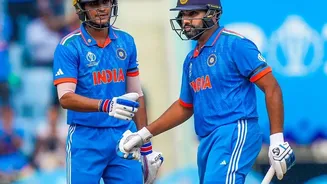
One of the most significant hurdles is the already-congested global cricket calendar. Unlike football, where the Olympics is primarily an under-23 tournament, cricket's Olympic bid hinges on the participation of its biggest stars like Virat Kohli and Jasprit Bumrah. However, the period of the LA Games in July could clash with lucrative franchise T20 leagues and important bilateral tours that form the bedrock of national boards' finances. While the ICC has committed to incorporating the Olympics into its Future Tours Programme, convincing boards to release their star players for a two-week tournament remains a challenge. For years, one of the primary reasons boards like the BCCI were hesitant about the Olympics was the fear of losing autonomy and revenue. While that stance has changed, the logistical puzzle of fitting another premier event into a packed schedule is yet to be fully solved.
Will the Game Truly Grow?
The ultimate measure of success will be whether the Olympic platform genuinely grows the sport. Proponents believe it will inspire a new generation of players and fans, especially in emerging markets like the USA, where Major League Cricket is already gaining traction. The inclusion of a women's tournament is also seen as a massive boost, building on the success of cricket at the Commonwealth Games and providing a global stage for female athletes. However, some critics are sceptical. There are concerns that the event might primarily serve existing fanbases through primetime television slots in India rather than attracting new, local fans in Los Angeles. If the tournament is dominated by the usual powerhouse nations and fails to create local buzz, it risks becoming a niche event within the larger Games—a missed opportunity for true global expansion.