


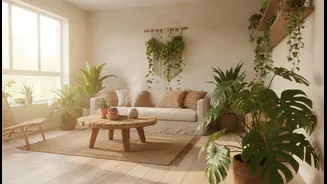


The Soul of a Space: What is Biophilic Design?
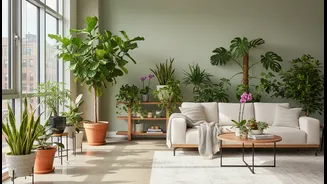
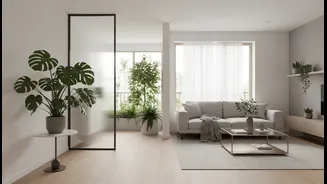
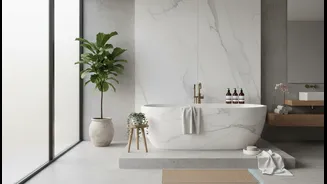
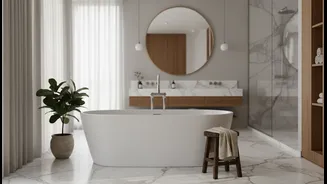
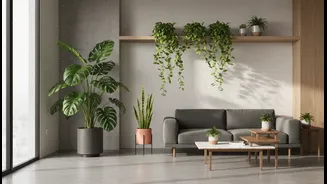
At its heart, biophilic design is about reconnecting our homes with the natural world. It’s a design philosophy based on our innate human affinity for nature. But it's about more than just placing a few potted plants on a windowsill. It’s about creating
an environment that mimics the peace and sensory richness we feel outdoors. This means considering light, space, and, most importantly, materials that evoke a sense of calm and well-being. The goal is to design spaces that reduce stress and improve our mood by appealing to our deep-seated love for the natural world.
Weaving Warmth Into Your Walls
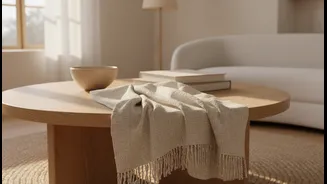
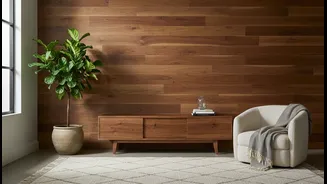
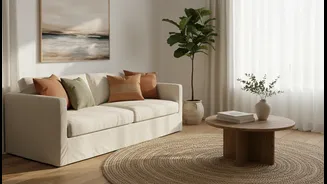
This is where fabrics come in. While hard surfaces like wood and stone are key biophilic elements, textiles are what introduce softness, absorb sound, and provide crucial tactile comfort. They are a powerful tool for adding warmth and depth without adding more 'stuff'. Instead of buying another decorative object, swapping a synthetic curtain for a linen one can transform how light filters into a room, making it feel softer and more serene. Layering textiles—a wool throw on a cotton sofa, a jute rug underfoot—is a minimalist-friendly way to create a rich, inviting atmosphere. This approach engages our sense of touch, making a room feel cosy and secure.
Your Guide to Natural Fibres
Choosing the right material is key to achieving this effect. Natural fabrics each bring their own unique character to a space. Linen, known for its breathability and soft texture, is perfect for curtains and bedding. Cotton is versatile, durable, and a mainstay in Indian homes, offering comfort in everything from bedsheets to cushion covers. Jute and sisal bring a rustic, earthy feel, ideal for rugs that ground a room with natural texture. Wool offers unparalleled warmth and is perfect for cosy blankets and plush rugs, especially in cooler climates. These materials are not only beautiful but also often more sustainable and healthier, as they are breathable and can improve indoor air quality.
Simple Swaps for Big Impact
Incorporating this look doesn’t require a complete overhaul. Start with small, intentional changes. Replace shiny, synthetic cushion covers with ones made of textured cotton or hand-block printed fabrics. Drape a soft woven throw over the arm of your sofa. Anchor your living room with a statement rug made of jute or wool. Instead of another piece of framed art, consider hanging a large, beautifully patterned textile as a feature on a prominent wall. Even updating your table linens to natural materials can elevate everyday meals. These simple swaps can collectively shift the entire mood of a room, making it feel more connected and thoughtfully designed.
The Finishing Touches: Colour and Texture
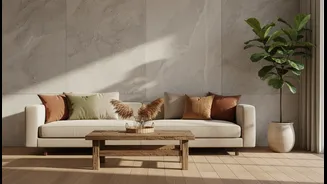
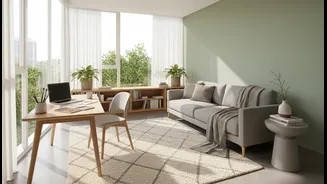
To complete the look, pay attention to colour and pattern. Biophilic design favours earthy palettes that mirror the outdoors—think sage greens, warm terracotta, sandy beiges, and stone greys. These colours complement the natural tones of wood and plant life. When it comes to patterns, look for inspiration in nature itself. Subtle botanical motifs, organic shapes, and patterns that mimic the texture of stone or wood grain work beautifully. The key is to layer different textures to create a multi-sensory experience that is visually interesting and physically comforting. A mix of smooth cotton, rough jute, and soft wool creates a dynamic and inviting space.