


The Sattvik Philosophy of Eating
Rooted in Ayurveda, a Sattvik diet is centred on foods that are fresh, pure, and full of life-force, or 'prana'. The goal is to nourish the body and promote mental clarity and harmony. Unlike heavy or overly processed foods that can drain you, Sattvik meals
are designed to be light and easy to digest. This philosophy is particularly useful during festivals, when our 'Agni', or digestive fire, can be compromised by irregular eating habits. A Sattvik meal aims to keep this fire balanced, ensuring that what you eat is converted into energy, not discomfort. The diet includes fresh fruits, vegetables, whole grains, and legumes, and avoids foods considered agitating or dulling, such as onions, garlic, and overly processed items.
Pure Ghee: The Golden Digestive Aid
Far from being just another fat, pure ghee is revered in Ayurveda as a 'royal oil' for its healing properties. It is considered a cornerstone of Sattvik cooking. One of the key benefits of ghee is its ability to kindle the digestive fire (Agni) without aggravating the system. It lubricates the intestinal lining, which helps soothe inflammation and allows food to move smoothly through the digestive tract. Ghee is also a rich source of butyric acid, a short-chain fatty acid that nourishes the cells of the colon and supports a healthy gut microbiome. Moreover, it acts as a carrier for nutrients, helping the body better absorb fat-soluble vitamins from food. By supporting enzyme function and promoting elimination, ghee helps reduce common festive complaints like bloating and constipation.
The Subtle Power of Whole Spices
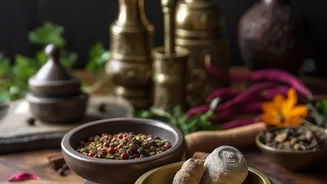
In Sattvik cooking, spices are used not for overwhelming heat but for their subtle flavours and therapeutic benefits. Whole spices like cumin, coriander, fennel, and cinnamon are preferred over their powdered counterparts. This is because whole spices retain their essential oils, which are the source of both their aroma and their medicinal properties. When heated gently in ghee or oil—a technique known as 'tadka'—these spices release their benefits slowly and effectively. Many of these spices have carminative properties, meaning they help to relieve gas and bloating. For example, fennel is a known digestive aid, while ginger stimulates Agni. Turmeric and black pepper have powerful anti-inflammatory properties. Using them whole ensures a gentle infusion of flavour and health benefits, making the meal delicious and easy to digest.
Sendha Namak: The Superior Salt
During fasts and festive periods like Navratri, regular table salt is often replaced with Sendha Namak, or rock salt. Considered the purest form of salt in Ayurveda, it is unprocessed and free from the chemical additives found in common table salt. Sendha Namak has a cooling effect on the body, unlike other salts which can be heating. This makes it gentler on the digestive system. It is also valued for its ability to help maintain the body's electrolyte balance, which is crucial for staying energised, especially during a fast. With a lower sodium content and higher levels of essential minerals like potassium and magnesium, it supports blood pressure regulation and helps prevent water retention and bloating. This makes it the ideal choice for a meal that is both light and nourishing.
Bringing It All Together on a Festive Plate
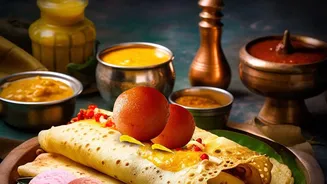
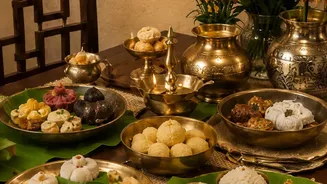
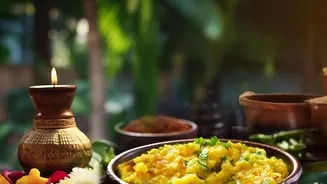
A Sattvik festive meal is a beautiful synergy of these principles. Picture a thali with dishes like 'kuttu ki puri' (buckwheat flatbread), 'samak ke chawal' (barnyard millet rice), and a simple vegetable curry like 'lauki' (bottle gourd). The vegetables are cooked in ghee and seasoned with whole cumin and a pinch of turmeric. The bread is light, and the entire meal is seasoned with Sendha Namak. Each component is chosen for its digestibility and nourishing qualities. The result is a meal that satisfies the senses and celebrates the occasion without leaving you feeling heavy or lethargic. By mindfully combining these ingredients, a Sattvik meal supports rather than burdens the digestive system, allowing you to enjoy the festivities with energy and vitality.