


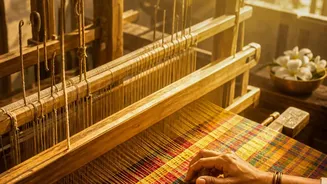


The Heartbeat of the City: Textile Heritage
Coimbatore’s story is woven in cotton. Its journey to becoming a textile powerhouse began in the late 19th century, spurred by the region's vast cotton fields. The first mills, like the Coimbatore Spinning and Weaving Mills established in 1888, set the stage
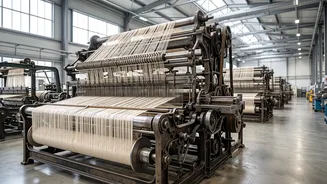
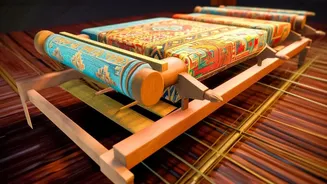
for an industrial boom. The city's growth was supercharged by the commissioning of the Pykara hydro-electric project in 1932, which provided abundant and cheap power, leading to a proliferation of textile units. This gave Coimbatore its enduring moniker, the 'Manchester of South India'. For travellers today, a tangible link to this past is the Kasthuri Sreenivasan Art Gallery and Textile Museum. This cultural centre not only displays fine art but also has a dedicated museum that chronicles the evolution of India's textile industry through vintage machinery, handlooms, and historical artefacts, making it an essential first stop.
The 'Edison of India' and His Legacy
No exploration of Coimbatore's industrial history is complete without encountering the genius of Gopalswamy Doraiswamy Naidu, often called the 'Edison of India'. An inventor, industrialist, and philanthropist, G.D. Naidu’s contributions were pivotal in diversifying the city's industrial base beyond textiles. His work spanned automotive, electrical, and mechanical engineering. For a truly immersive experience, the G.D. Naidu Museum is a must-visit. It is more than just a car museum; it's a celebration of innovation. The museum complex showcases a fascinating collection of vintage cars from around the world, alongside many of G.D. Naidu's own inventions, from early electric motors to razors and calculators. The displays offer a captivating journey through the history of technology, highlighting the ingenuity that helped shape modern Coimbatore. Plan to spend at least two to three hours here to fully appreciate the breadth of the collection.
The Rise of Engineering and Foundries
While textiles gave Coimbatore its start, engineering gave it resilience. Beginning in the 1930s, small workshops emerged to service the machinery in the burgeoning textile mills. This ancillary industry soon took on a life of its own. The city became famous for manufacturing motors and pumps, earning it another nickname: 'Pump City'. This engineering prowess was a natural evolution, born out of the necessity to maintain and then innovate upon the machines that powered the textile boom. This created a self-sustaining ecosystem of skilled labour, technical education, and entrepreneurship. While there isn't one single museum dedicated to the pump industry for tourists, its presence is felt throughout the city’s economic landscape. The small workshops of the past have grown into thousands of small, medium, and large-scale engineering firms that form the backbone of Coimbatore's modern economy.
Experiencing the Industrial Spirit Today
The spirit of industry in Coimbatore is not confined to museums. It lives on in its bustling markets and modern commercial centres. A walk through the city reveals how its industrial past and present are intertwined. For example, some old mills have found new life. The Lakshmi Mills, a pioneering textile company founded in 1910, now includes a modern urban lifestyle destination on its historic grounds, blending heritage with contemporary city life. For a taste of the city's output, visitors can shop for world-famous Kovai Kora cotton sarees, a direct product of the region's long-standing weaving traditions. Exploring the local markets in areas like RS Puram offers a vibrant glimpse into the city's commercial energy. This blend of historical sites, living traditions, and modern enterprise provides a unique travel experience that goes beyond typical sightseeing, offering a deeper understanding of the city's character.