

Your Laptop’s First Line of Defence
Your laptop is often the most expensive and vulnerable item you're carrying. A single downpour can lead to costly damage, so a multi-layered defence is crucial. Start with a dedicated waterproof laptop sleeve. This provides the first barrier against moisture.
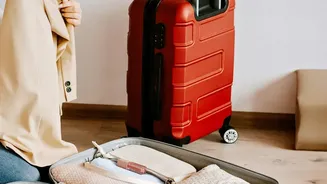
Then, place the sleeved laptop inside the padded compartment of your backpack. For a second layer of protection, especially during heavy rain or when using transport like auto-rickshaws, consider using dry bags. These are lightweight sacks with a roll-top closure that create a near-airtight seal. In a pinch, even a large, heavy-duty plastic bag can serve as an effective inner liner for your entire backpack, creating a final shield against any water that seeps through the outer material.
Choose a Weather-Ready Backpack
Not all backpacks are created equal when it comes to rain. Most are water-resistant, which means they can handle a light drizzle but will fail in a sustained downpour. The zippers and seams are the most common points of failure. Investing in a backpack made from waterproof material is ideal. However, a more practical and common solution is to use a rain cover. These lightweight covers wrap around the entire exterior of your bag, preventing water from being absorbed. Many modern backpacks come with an integrated rain cover stored in a small pocket. If yours doesn't, they are an inexpensive and essential accessory to buy separately. Always keep it easily accessible, not buried at the bottom of your bag.
Combat Humidity From the Inside
In India's monsoon, humidity often exceeds 90%, and this ambient moisture can be as damaging as direct rain. Condensation can form inside your bag, creating a damp environment that’s bad for electronics and encourages mildew. The simple solution is to pack several silica gel packets. Toss a few into your main luggage, and be sure to place one inside your electronics pouch with chargers and cables. These small desiccant packets are brilliant at absorbing ambient moisture, helping to keep the air inside your bag dry and your gadgets safe from humidity-related issues.
The Right Footwear for Wet Roads
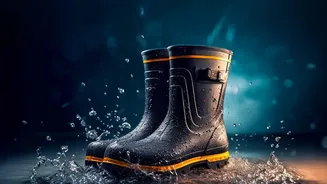
Choosing the right shoes is a non-negotiable for monsoon travel. Avoid materials like canvas, suede, or untreated leather, which act like sponges in the rain. Instead, opt for footwear made from rubber, EVA, or other synthetic, water-resistant materials. The key features to look for are a quick-dry design and an anti-slip sole with deep grooves for traction on slick surfaces. Waterproof trekking sandals or floaters are excellent choices, as they don't trap water and allow your feet to dry quickly. For city use, waterproof sneakers or closed-toe rubber slip-ons can offer more protection from dirty puddle water.
Damage Control for Soaked Shoes
Even with the best planning, your shoes might get soaked. The worst thing you can do is store them in a closed bag while wet, which leads to bad odours and fungal growth. The first step is to dry them as soon as possible. Stuffing them with crumpled newspaper is a classic and effective trick; the paper absorbs a surprising amount of moisture. If you're in a hotel, placing them in front of a fan can speed up the process significantly. Some travellers even carry a compact shoe dryer. Sprinkling antifungal powder like Gold Bond inside your shoes and socks can also help absorb moisture and prevent infections.
Packing an Extra Dry Pair
Always pack at least one extra pair of footwear. This ensures you have a dry, comfortable pair to change into while your other ones are drying. This is especially important on multi-day trips where you might not have enough time for a pair to dry completely overnight. Packing a lightweight pair of plastic slippers or sandals is a great idea. They take up minimal space and are perfect for short walks, using in hotel rooms, or as a reliable backup if your primary shoes are out of commission. It’s also wise to pack extra pairs of socks in a sealed, waterproof pouch to guarantee you always have a dry pair ready.