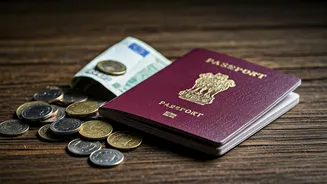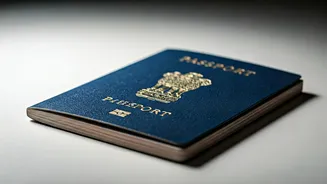



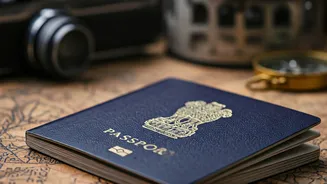


The First Hurdle in Your Travel Budget
For any budget traveller, meticulous planning is part of the thrill. You scout for the cheapest flights, compare hostel prices, and list every free museum. However, a significant upfront cost is often overlooked until the last minute: the passport. As
of July 1, 2026, the Government of India has revised the fee structure for passport services, making it a more substantial line item in your travel budget. This isn't just a minor administrative charge; it's a considerable expense that can easily throw off your calculations if not accounted for from day one. Forgetting this cost can lead to a stressful scramble for funds or, worse, force you to dip into money saved for your actual trip experiences.
Breaking Down the New Passport Costs
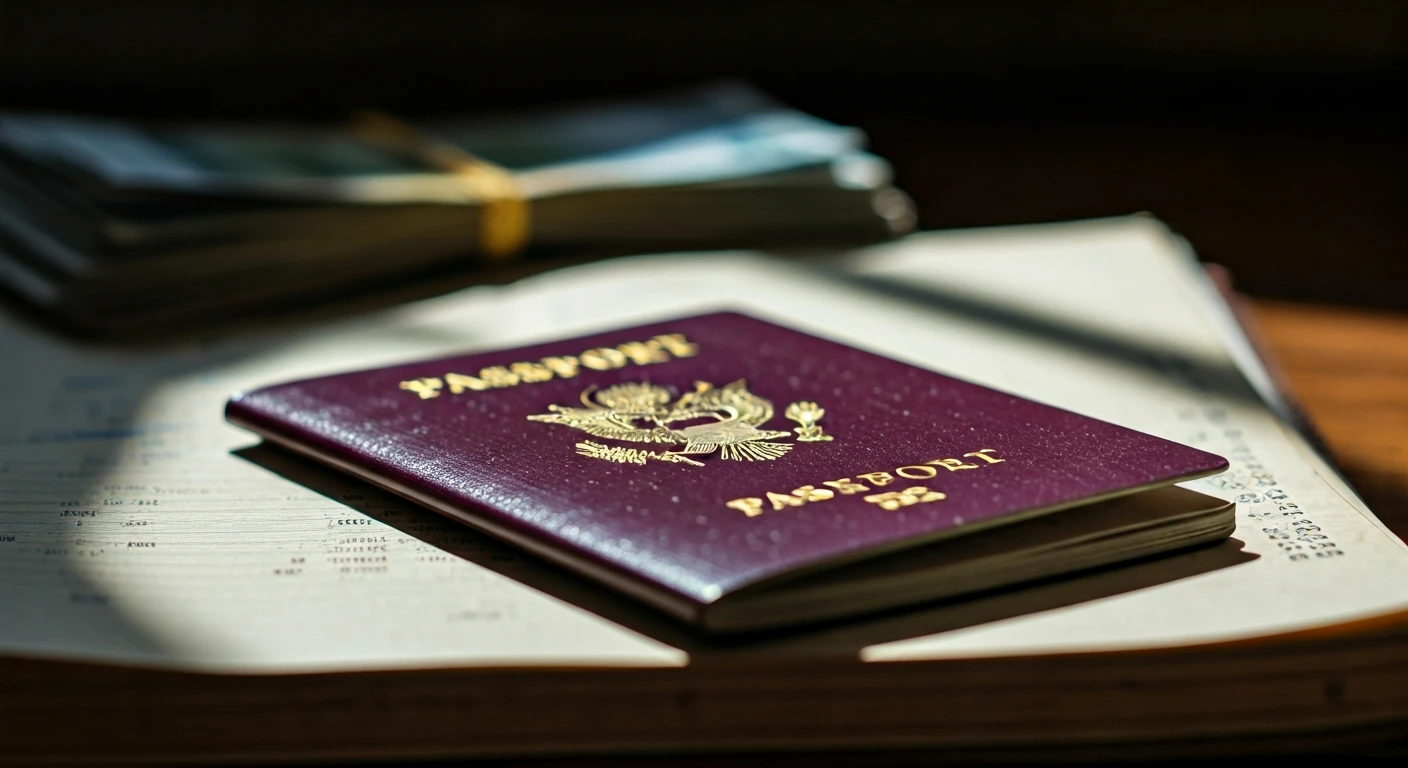
Understanding the exact cost is the first step to smart budgeting. Under the Passports (Amendment) Rules, 2026, the fees for fresh applications and renewals have increased significantly. For an adult applying under the normal scheme, a standard 36-page passport now costs ₹2,500, up from ₹1,500. If you're a frequent traveller and need a 60-page booklet, the price has risen from ₹2,000 to ₹3,500. These costs apply to both first-time applicants and those reissuing their passports. While there is a 10% discount on fresh applications for minors up to 8 years and senior citizens over 60, for most aspiring travellers, the new standard fees are a mandatory starting point.
The High Price of Urgency: The Tatkaal Trap
Procrastination can be expensive. If you leave your passport application to the last minute, you might be forced to use the Tatkaal (expedited) service, which comes at a much higher price. For a 36-page passport, the Tatkaal fee has been hiked to ₹5,000. Need a 60-page booklet in a hurry? That will now set you back ₹6,000. This is more than double the normal application fee in some cases. The entire point of a budget trip is to save money for experiences, not to spend it on avoidable administrative costs. A normal passport application typically takes 30 to 45 days, while a Tatkaal passport can be issued in as little as one to seven days. By simply planning ahead and applying well before your intended travel dates, you can completely avoid this costly 'urgency tax' and keep that money for your trip.
Beyond the Application: Other Hidden Costs
The official fee is just the beginning. While the government has clarified that the notified fee is inclusive and applicants are not required to pay separate PSK or police verification fees, other small expenses can add up. You’ll need to travel to the designated Passport Seva Kendra (PSK) or Post Office Passport Seva Kendra (POPSK) for your appointment, which could involve transport costs. You will also need regulation-compliant passport photos. While biometric photographs are taken at the PSK, photos are required for minor applicants below the age of four. It's also crucial to apply directly through the official Passport Seva portal to avoid paying unnecessary and often exorbitant fees to unauthorised agents who promise to speed up a process that is already streamlined online.
How to Plan and Budget Effectively
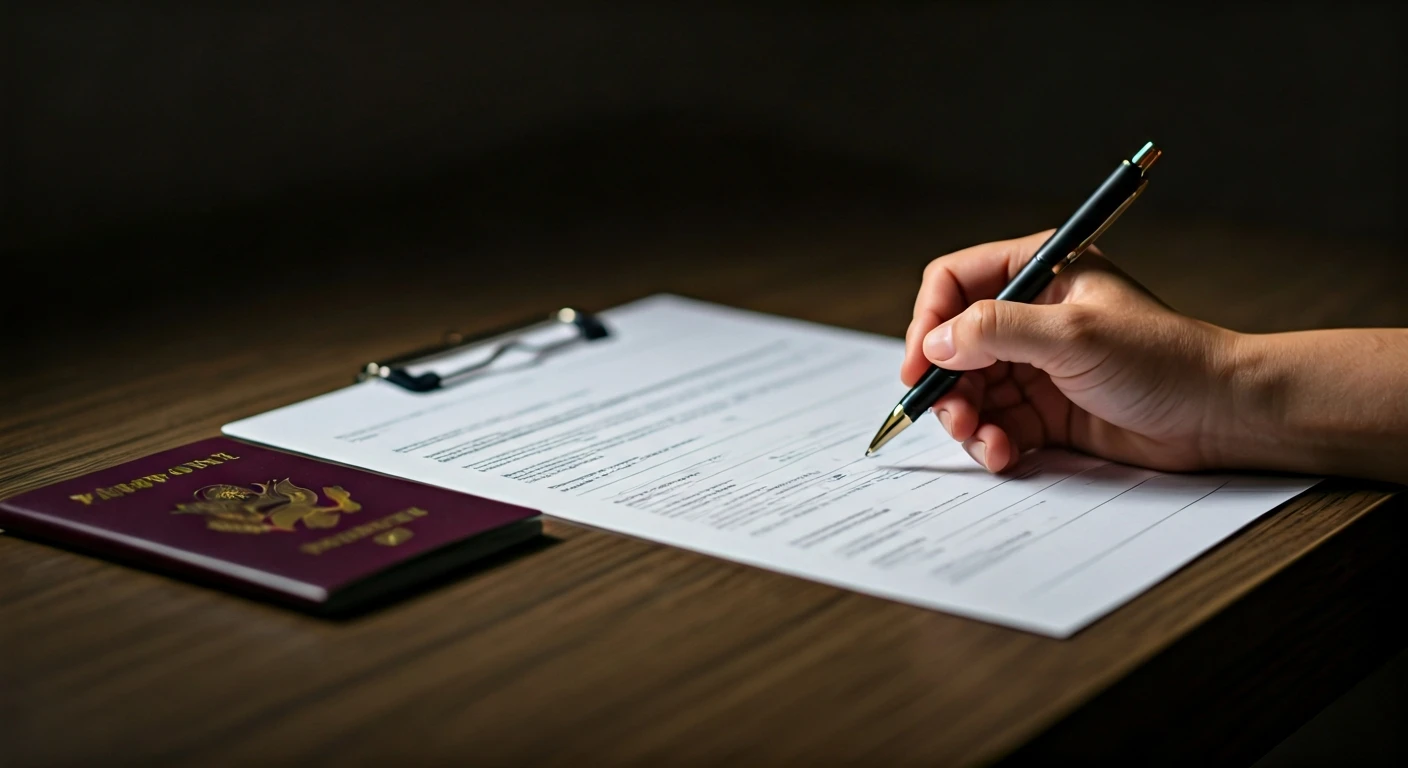
Treat your passport fee like the very first saving goal for your trip. The moment you decide to travel internationally, check the current passport fees on the official Passport Seva website. Incorporate this cost into your overall travel budget immediately. If ₹2,500 feels like a large sum to pay at once, break it down. Set aside a small amount, say ₹500, each week for five weeks. By the time you’ve saved up, you’ll be ready to apply without feeling a financial pinch. The online application process itself is straightforward: register on the portal, fill the form, pay the fee online to book an appointment, and visit the PSK with your documents. Planning for the timeline is just as important as planning for the cost. Give yourself at least two months to complete the entire process comfortably, from application to receiving the passport.