





The Monsoon Advantage
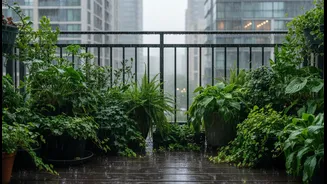
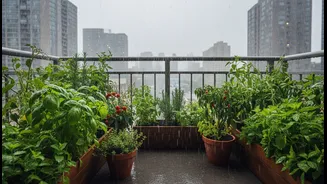
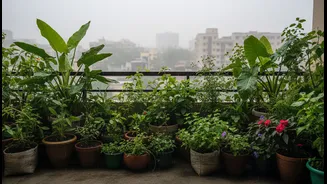
For many, the Indian monsoon brings to mind challenges like waterlogging and pests. But for gardeners, it’s a season of opportunity. The higher humidity, cooler temperatures, and natural watering create an ideal environment for many tropical and leafy
plants to thrive. The season breathes new life into gardens, encouraging vigorous growth. By harnessing these conditions, even a beginner can cultivate a productive green space. The key is not to fight the season, but to work with it.
Choosing Your Monsoon Champions
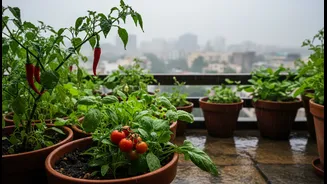
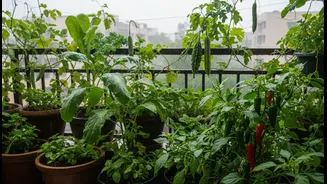
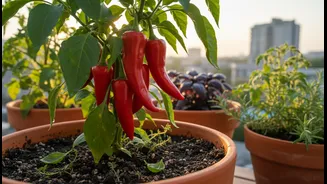
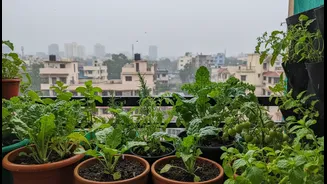
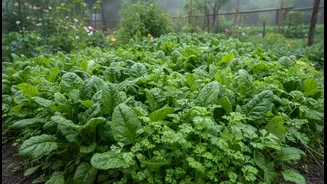
Success begins with selecting the right plants. Not all species appreciate the constant moisture of the monsoon. Focus on those that flourish in these conditions. For useful food, herbs are a fantastic starting point. Mint, coriander, basil, ginger, and turmeric grow exceptionally well. Leafy greens like spinach and amaranthus are also excellent choices. If you have a bit more space and sunlight, you can try vegetables like green chillies, okra (bhindi), and certain varieties of beans. These plants are well-suited to the Indian climate and can be very productive in containers.
The Right Foundation: Pots and Soil
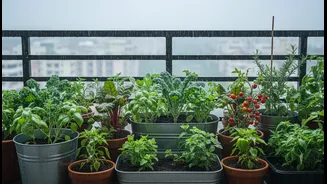
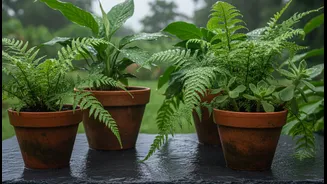
In container gardening, drainage is everything—especially during the monsoon. Ensure every pot, grow bag, or container has adequate drainage holes to let excess water escape. Without this, your plant's roots can become waterlogged, leading to root rot. Elevating your pots on stands or bricks can also improve drainage and airflow. The soil itself should be a well-draining potting mix. A combination of garden soil, coco peat, and compost provides a good structure that holds moisture without becoming saturated, feeding your plants naturally as they grow.
Mastering the Art of Watering
It may seem counterintuitive, but overwatering is one of the biggest risks during the rainy season. Don't assume the rain is doing all the work, especially on a covered or partially-covered balcony where some pots might stay dry. Conversely, don’t water out of habit. The best approach is the finger test: poke your finger an inch or two into the soil. If it feels damp, leave it alone. Water only when the top layer of soil feels dry to the touch. This simple check prevents the soil from becoming saturated, which deprives roots of the oxygen they need to thrive.
Managing Light, Pests, and Disease
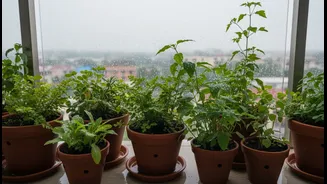
Cloudy monsoon days mean less direct sunlight. Observe your balcony to understand its light pattern—an east-facing balcony gets gentle morning sun ideal for herbs, while a south or west-facing one might get stronger light for fruiting vegetables. The high humidity can also make plants more susceptible to fungal diseases and pests. Good air circulation is key, so avoid overcrowding your plants. Regularly prune any dead leaves or stems to improve airflow and direct the plant's energy towards healthy growth. Keep an eye out for any signs of fungus or pests and address them quickly.
More Than Just a Harvest
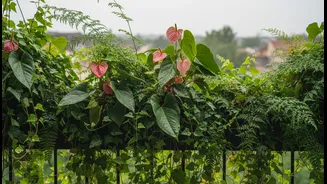
A balcony micro-garden offers more than just fresh produce. The act of gardening itself is a well-known stress reliever, providing a peaceful escape from the bustle of city life. Growing your own food reduces your carbon footprint by cutting down on food miles and packaging waste. It connects you with nature, improves the air quality around your home, and provides a rewarding sense of self-sufficiency. Even a few pots of herbs or vegetables can transform a sterile urban space into a living, breathing oasis.