









The Protein Counting Craze
Walk into any gym or browse any health forum online, and you'll hear the same question: 'Are you getting enough protein?' For years, the simple metric of grams per day has been the gold standard for anyone looking to build muscle, lose weight, or simply
eat healthier. We track it in apps, measure it in scoops, and plan our meals around hitting a specific number. This approach is popular for a reason: it’s simple and measurable. Seeing that you've hit your 120-gram target for the day feels like a clear win. But this laser focus on quantity overlooks a crucial element that can make or break your results: protein quality.
Why 20 Grams Is Not Always 20 Grams
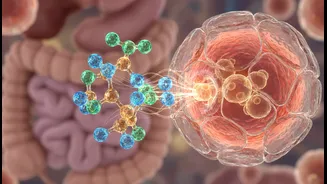
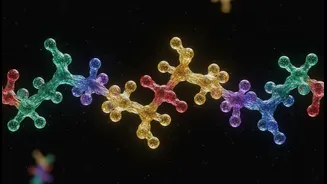
Here's the fundamental truth that changes everything: not all protein is created equal. The protein from a scoop of whey, a bowl of dal, or a handful of nuts might have the same gram count on paper, but your body treats them very differently. Think of protein as being made up of building blocks called amino acids. There are nine essential amino acids that our bodies cannot produce, meaning we must get them from our food. The value of a protein source depends on two key factors: its amino acid profile (does it contain all nine essentials?) and its bioavailability (how much can your body actually digest and absorb?). A 20-gram serving of protein that your body can only absorb 75% of is not the same as 20 grams of a protein that is 95% absorbable. This is where the simple gram-counting method falls short.
Meet the Amino Acids and a Modern Scorecard
Of the nine essential amino acids, one called leucine acts as a primary trigger for muscle protein synthesis—the process of building and repairing muscle tissue. To effectively kickstart this process after a meal, you need to hit a certain 'leucine threshold', which is about 2.5 to 3 grams. High-quality animal proteins like whey, eggs, and meat are rich in leucine, making it easier to hit this target. To measure this more accurately, scientists now use the Digestible Indispensable Amino Acid Score (DIAAS). This modern method assesses the digestibility of each individual amino acid, giving a much clearer picture of a protein's true quality and usefulness to the body compared to older methods. A higher DIAAS score means the protein is more effective at supporting muscle growth and repair.
Solving the Plant-Based Protein Puzzle
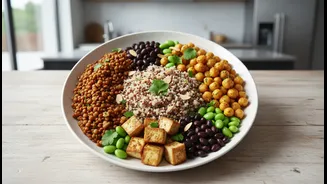
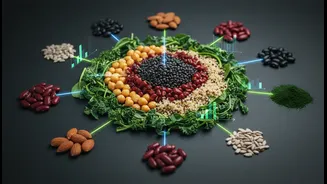
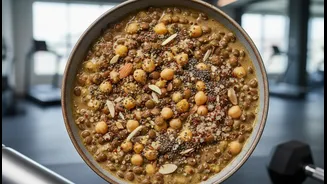
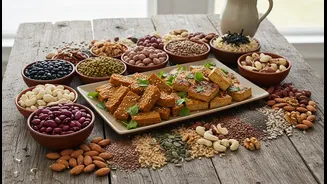
For the large number of vegetarians and vegans in India, this might sound concerning, as most individual plant proteins are 'incomplete,' meaning they are low in one or more essential amino acids. For example, grains are often low in lysine, while legumes like beans and lentils are low in methionine. But there is a simple and traditional solution: protein combining. By eating a variety of plant-based sources, you can easily get all nine essential amino acids. The classic Indian meal of dal (legumes) with rice (grains) is a perfect example of creating a complete protein profile. Some plant foods like soy, quinoa, and chia seeds are considered complete proteins on their own. While plant proteins may have slightly lower absorption rates on average, focusing on variety and combining sources effectively solves the puzzle.
So, What Should You Do Now?
This doesn't mean you need to download a complex amino acid tracker. The practical takeaway is to shift your focus from pure quantity to a blend of quantity and quality. First, prioritize high-quality protein sources. This includes lean meats, fish, eggs, and dairy for non-vegetarians. For those on a plant-based diet, focus on soy products like tofu and tempeh, and be diligent about combining different sources like legumes with grains, nuts, and seeds. Second, vary your protein sources throughout the day and week. This diversity ensures you're getting a wide array of amino acids and other valuable nutrients. Instead of obsessing over hitting an exact gram count with low-quality options, aim for a slightly smaller target using only high-bioavailability foods. You might find it's far more effective.