






What Is Balance, Really?
Before comparing, it's helpful to understand what 'balance' means. It’s not a single skill but a complex interplay between three systems. First is your vestibular system, located in the inner ear, which detects head movement and orientation. Second is your vision,
which tells your brain where you are in relation to your surroundings. Finally, and most importantly for this discussion, is proprioception. Often called the 'sixth sense', proprioception is your body's awareness of its own position, movement, and force, thanks to sensors in your muscles, tendons, and joints. Together, these systems allow your body to maintain its center of gravity, whether you're standing still or moving.
The Dancer’s Edge: Dynamic and Reactive Balance
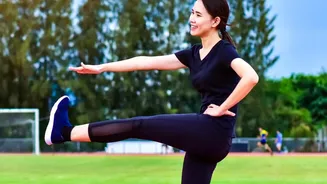
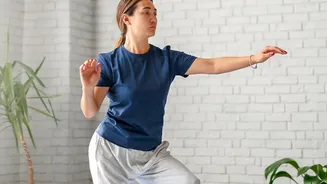
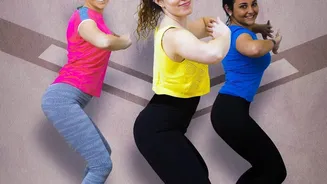
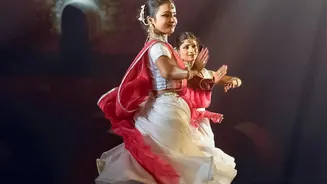
Dancing is a masterclass in dynamic balance. Dancers are constantly shifting their weight, changing direction, and moving across multiple planes of motion, often in response to music or a partner. This unpredictability forces the body to make constant, lightning-fast adjustments. Activities like turning, leaping, and holding complex poses train the brain to process sensory information with incredible speed. For example, the technique of 'spotting' during a turn helps dancers avoid dizziness by training their vestibular system to handle rapid rotation. This develops a highly refined reactive balance, improving coordination, spatial awareness, and the ability to prevent falls by responding instantly to unexpected shifts.
The Rower’s Power: Stability and Core Control
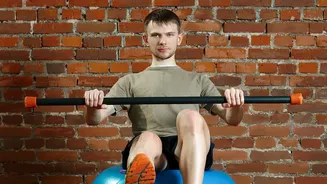
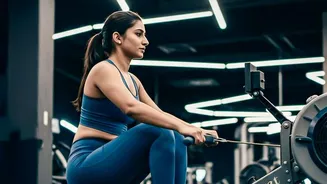
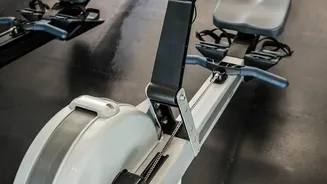
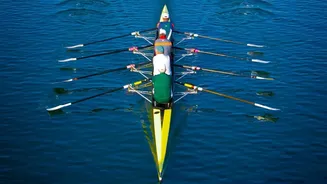
Rowing, whether on water or a machine, cultivates a different but equally important type of balance. The primary challenge here isn't reacting to unpredictable movements, but maintaining powerful, controlled stability through a repetitive, linear motion. A rower's balance is anchored in a strong core. The core muscles—including the abdomen, back, and hips—act as the vital link transferring power from the legs to the arms during every stroke. This develops immense core stability, which is the foundation for good posture and balance in all daily activities. The rhythmic, sequential nature of rowing enhances body awareness and strengthens the deep stabilizing muscles that support the spine, all within a low-impact, seated position that minimizes the risk of falling during the exercise itself.
Interpreting the Key Differences
The fundamental difference lies in the environment and the type of stability required. Dancing demands 'open-skill' balance, where you must constantly adapt to a changing environment. Your body learns to be agile and responsive. Studies have shown that dancers possess superior dynamic balance and motor control, particularly in dance-specific positions.Rowing, in contrast, builds 'closed-skill' balance within a more predictable setting. The focus is on generating maximum force while maintaining perfect posture and control. It trains the body for endurance-based stability, where the core prevents energy leaks and keeps the spine protected through thousands of repetitions. While a dancer's balance is about reacting to the external world, a rower's balance is about mastering their internal frame.
Which One Is Right for You?
Choosing between dancing and rowing depends entirely on your personal fitness goals. If your aim is to improve your reaction time, agility, and ability to prevent stumbles in everyday life, the multi-directional, dynamic challenges of dance are hard to beat. It’s an excellent choice for improving coordination and making movement feel more intuitive and graceful.If your goal is to build foundational core strength, improve your posture, and develop powerful stability for other athletic pursuits, rowing is an outstanding option. It provides a full-body, low-impact workout that systematically strengthens the muscles responsible for keeping you upright and stable. For older adults, the seated nature of rowing offers a safe way to build balance-supporting muscles without the high risk of falling.