






From Afterthought to Main Attraction
Not long ago, planning a holiday involved a checklist of landmarks, museums, and scenic views. Food was simply the fuel required to get from one activity to the next. That mindset has fundamentally shifted. Welcome to the era of culinary tourism, where
the menu dictates the map. This growing trend sees travellers choosing destinations specifically for their unique and authentic food experiences. The global gastronomy tourism market has seen explosive growth, with some projections expecting it to grow by over 17% by 2028. This isn't just about satisfying hunger; it’s about experiencing the story of a place through its flavours, a concept the World Food Travel Association defines as travelling for a “taste of place to get a sense of place.” This shift reflects a deeper desire among modern travellers to move beyond passive sightseeing and engage in more immersive, memorable experiences.
Why We Travel With Our Stomachs
So, what’s driving this appetite for food-focused travel? It’s a powerful mix of psychology and technology. Food provides a direct window into a region's culture, history, and traditions. Sharing a meal can create a profound sense of connection with local communities, turning a simple dinner into a lasting memory. Furthermore, social media platforms like Instagram and TikTok have transformed food into a highly visual and shareable part of the travel experience. Studies show that a significant percentage of travellers have booked a restaurant or even chosen a destination based on a dish they saw online. This digital word-of-mouth inspires others and creates a feedback loop where authentic culinary finds become sought-after travel goals, influencing everything from dining choices to trip itineraries.
Beyond Just Fine Dining
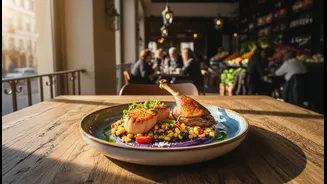
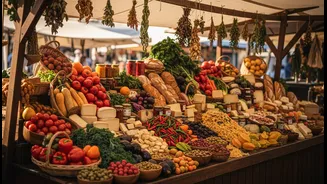
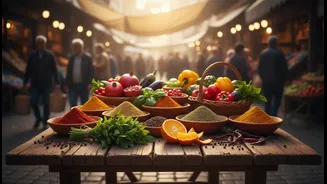
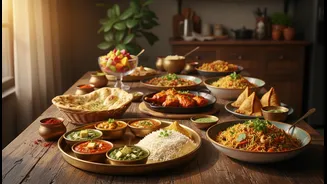
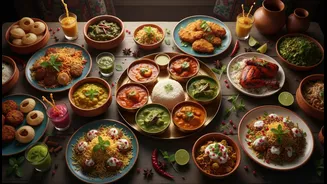
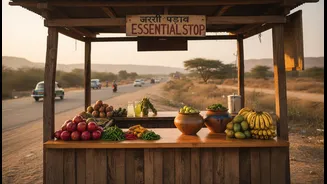
The beauty of culinary tourism is its accessibility. It's not limited to Michelin-starred restaurants and expensive tasting menus. The search for authentic flavour spans the entire food spectrum. It includes exploring bustling street food markets in Amritsar or Bangkok, participating in hands-on cooking classes in Tuscany, touring a local cheese producer, or joining a food festival celebrating regional harvests. For many, these grassroots experiences offer a more genuine connection to a place's identity. This diversity allows travellers of all budgets to participate, whether they're seeking out a legendary biryani spot in Lucknow, sampling fresh seafood from a coastal shack, or learning to make pasta from a local nonna. The goal is the same: to taste something real and memorable.
Destinations on a Plate
Around the world, tourism boards and travel companies are taking notice and strategically marketing their culinary scenes. A 2026 list of top food destinations included countries like Mexico, Italy, Spain, Japan, and India in its top five, recognized for their rich culinary heritage and regional diversity. In India, destinations like Amritsar have become renowned culinary hotspots, partly due to the influence of food bloggers showcasing their local offerings. Internationally, countries from Thailand to Peru are leveraging their gastronomic credentials to attract visitors. Tour operators are now offering increasingly specialized experiences, from chef-led tours to curated culinary trails and farm-to-table encounters that highlight local producers and sustainable practices.