





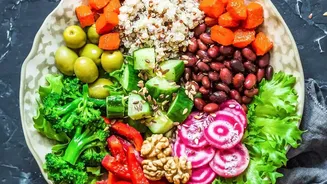
Why Your Breakfast Choice Matters
Breakfast is a critical meal, especially for managing blood sugar. After a night of fasting, your body is particularly sensitive to the food you eat. A breakfast high in refined carbohydrates and added sugars—like many cereals, pastries, or sweetened
drinks—can cause a rapid spike in blood glucose. This initial surge is often followed by a sharp crash, leaving you feeling tired, hungry, and craving more snacks well before lunchtime. Research shows that skipping breakfast can also have a negative effect, leading to bigger blood sugar spikes after lunch and dinner. A well-balanced breakfast, on the other hand, helps stabilise glucose levels not just in the morning, but throughout the entire day.
The Hidden Problem: Added Sugars
Many foods marketed as healthy breakfast options are surprisingly high in added sugars. These are sugars and sweeteners added during processing, not the ones naturally found in fruit or milk. Common culprits include flavoured yoghurts, granola bars, instant oatmeal packets, and even some types of bread. Fruit juices are another major source; even those labelled '100% juice' lack the fibre of whole fruits, causing blood sugar to rise quickly. Reading nutrition labels is key. Ingredients are listed by weight, so if sugar or one of its many other names (like corn syrup, honey, or dextrose) is near the top of the list, the product is likely high in added sugar.
The Blueprint for a Better Breakfast
The secret to a blood-sugar-friendly breakfast lies in three key components: protein, fibre, and healthy fats. This combination slows down digestion and the absorption of carbohydrates, leading to a more gradual rise in blood sugar. Protein provides satiety, helping you feel full and satisfied for hours. Fibre, particularly soluble fibre found in oats and beans, acts as a buffer and helps improve blood sugar control. Healthy fats from sources like avocados, nuts, and seeds also contribute to that feeling of fullness and stable energy. The goal isn't to eliminate carbohydrates entirely but to choose high-fibre, whole-grain options and balance them with adequate protein and fat.
Quick Indian Breakfasts for Stable Energy
Many traditional Indian breakfasts can be easily adapted to be blood sugar friendly. Instead of focusing on Western options, consider these protein- and fibre-rich choices: Moong Dal or Besan Chilla: These savoury pancakes made from lentils or gram flour are high in protein and have a low glycemic index, meaning they release sugar into the bloodstream slowly. Add grated vegetables like spinach or carrots to the batter for an extra fibre boost. Egg Bhurji with Multigrain Roti: Eggs are an excellent source of protein with almost no carbs. A scramble packed with vegetables and served with one multigrain roti offers a balanced meal that combines protein, fibre, and complex carbs. Paneer Bhurji: For a vegetarian high-protein option, scrambled paneer is an excellent choice. It’s very low in carbohydrates and can be paired with vegetables or a small portion of whole-grain toast for a filling and stabilising meal. Sprouts Chaat: A bowl of sprouted moong beans mixed with chopped onion, tomato, and a squeeze of lemon is a nutrient-dense breakfast that is high in both fibre and protein, requiring no cooking at all.
Simple Swaps for a Healthier Morning
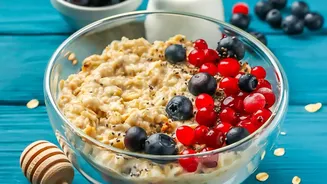
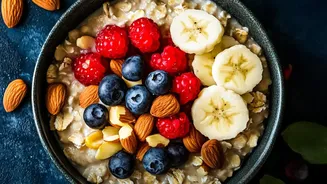
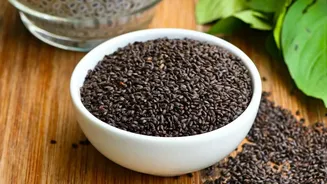
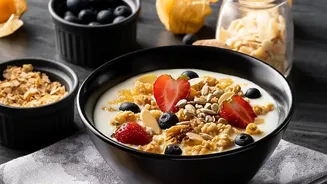
Making small changes can have a big impact. Instead of sugary cereals, opt for wholegrain porridge or steel-cut oats, and stir in nuts or seeds instead of sugar or honey. Swap flavoured yoghurt for plain Greek yoghurt and top it with fresh berries and a sprinkle of nuts for natural sweetness and healthy fats. Instead of drinking a glass of fruit juice, eat a whole piece of fruit to get the benefit of its fibre. Even with traditional breakfasts like poha or upma, you can improve their nutritional profile by reducing the portion size and adding a source of protein on the side, like a bowl of curd or a boiled egg.