


The Unsung Hero of Plant Nutrition
For many, Vitamin C brings to mind fighting off a cold or the tangy taste of citrus fruits. While it is a powerful antioxidant that supports the immune system, its function in a plant-based diet is far more profound and specific. Humans are among the few
mammals unable to produce their own Vitamin C, making it an essential nutrient we must get from our food daily. As more people adopt vegetarian and vegan lifestyles, the spotlight is shifting to how this vitamin acts as a key that unlocks other crucial nutrients, ensuring a balanced, plant-forward plate is also a fully nourishing one.
The Plant-Based Iron Challenge
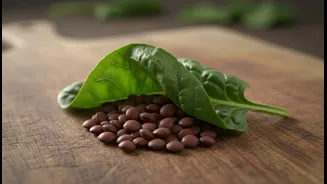
One of the most important roles for Vitamin C in a vegetarian diet is its relationship with iron. Iron comes in two forms: heme, found in meat and poultry, and non-heme, found in plant sources like lentils (dal), spinach, beans, and whole grains. Our bodies absorb heme iron quite efficiently, but non-heme iron is trickier. Its absorption can be hindered by other compounds in plants, which means that even an iron-rich vegetarian meal might not deliver its full benefits. This is a particular concern in India, where plant-based diets are common and iron deficiency can be a public health issue.
Your Meal's Most Valuable Player
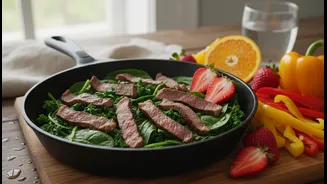
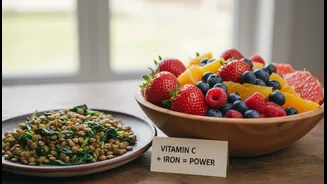
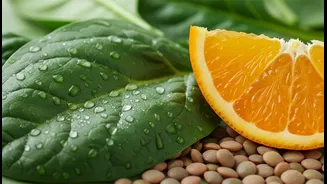
This is where Vitamin C steps in to save the day. When consumed in the same meal, Vitamin C dramatically boosts the absorption of non-heme iron. It works by converting the iron from its ferric (Fe3+) state to the more easily absorbed ferrous (Fe2+) form. Studies have shown that adding Vitamin C can increase iron absorption by as much as 67%. Simply squeezing a lemon over your dal or having a side of tomato salad with your spinach sabzi is a scientifically-backed way to ensure your body gets the iron it needs to produce haemoglobin, fight fatigue, and maintain energy levels.
Power-Packed Pairings for Your Plate
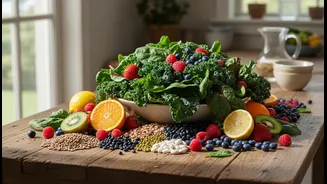
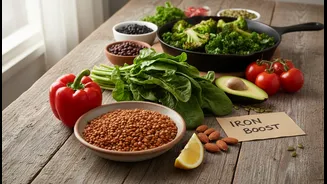
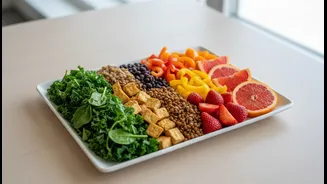
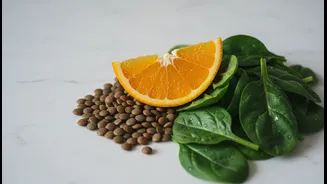
Making this nutritional synergy work for you is easy and delicious. The goal is to pair an iron-rich plant food with a Vitamin C-rich one in the same meal. Some classic Indian combinations are already perfect examples:
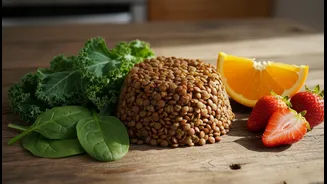
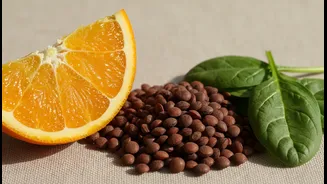
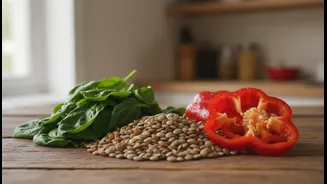
Dal with a Squeeze of Lemon: Lentils are a great source of iron, and the lemon provides the Vitamin C.
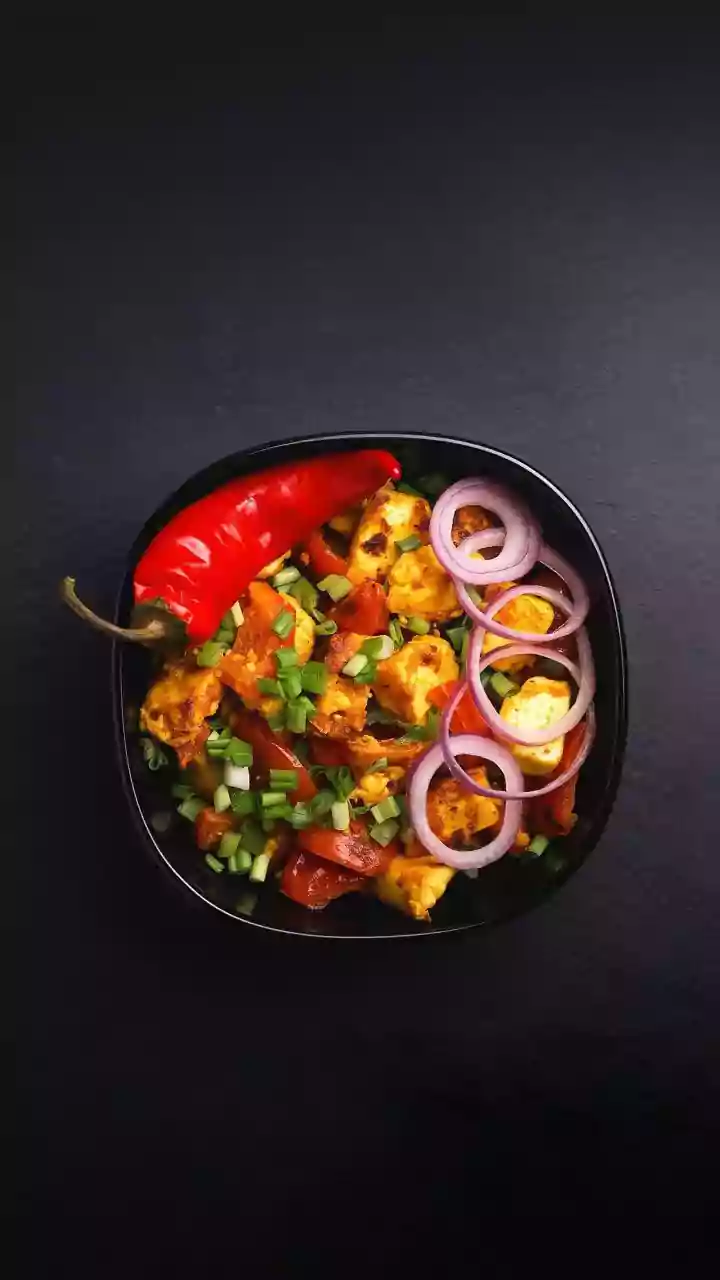
Palak Paneer with Tomatoes: Spinach has iron, and the tomatoes in the gravy are a good source of Vitamin C.
Chickpea Salad with Bell Peppers: Chickpeas (chana) and bell peppers (capsicum) are a perfect match for iron and Vitamin C.
Poha with Lemon and Coriander: A popular breakfast that often includes peas for iron and a generous squeeze of lemon for Vitamin C.
India's Top Plant-Based Vitamin C Sources
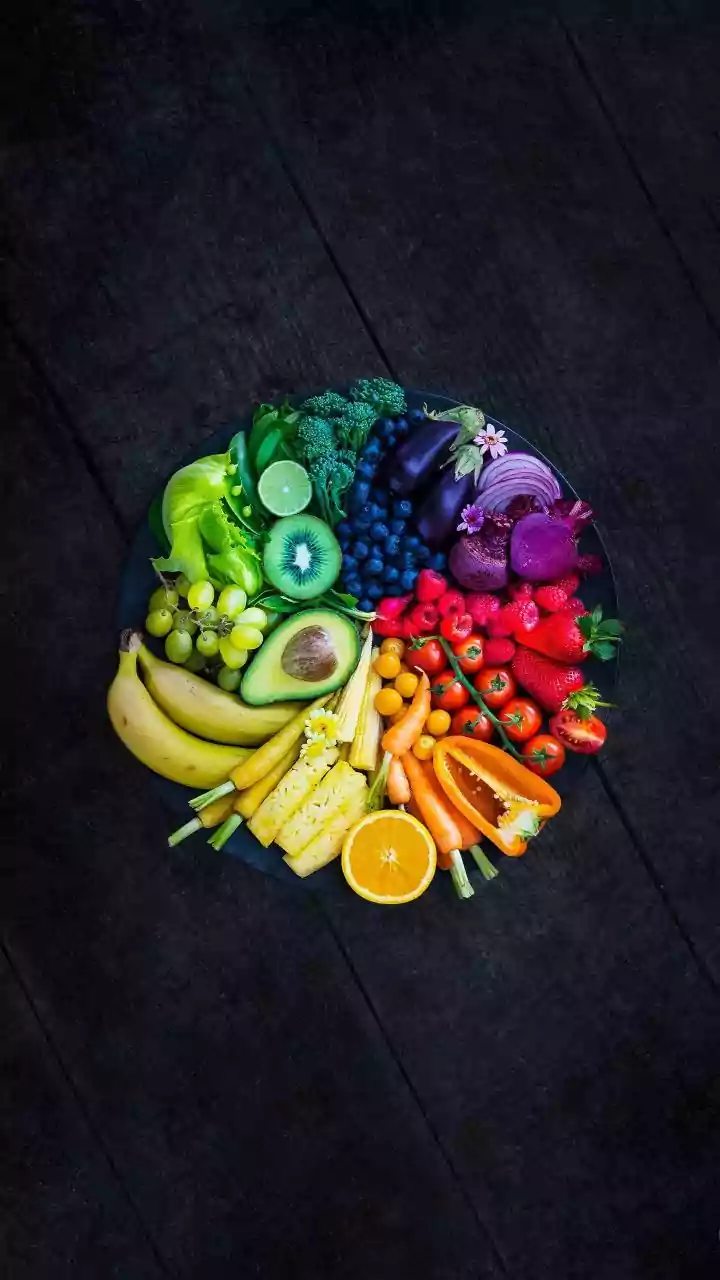
While oranges are famous for Vitamin C, India has an abundance of other, often more potent, sources. To maximize your intake, look for:
Amla (Indian Gooseberry): A true superfruit, amla contains one of the highest concentrations of Vitamin C available.
Guava (Amrud): This humble fruit contains over four times the Vitamin C of an orange.
Bell Peppers (Capsicum): Red, yellow, and green capsicums are all excellent sources, with yellow and red varieties being particularly high.
Drumstick Leaves (Moringa): A staple in many regional cuisines, moringa leaves are packed with Vitamin C and iron.
Papaya: This fruit is not only good for digestion but also provides a significant dose of Vitamin C.
Citrus Fruits: Of course, oranges, lemons, and sweet limes (mosambi) are reliable and refreshing sources.
Beyond Iron: Other Key Benefits
Vitamin C's importance doesn't end with iron absorption. It is essential for producing collagen, the protein that gives structure to our skin, bones, cartilage, and blood vessels. This is crucial for wound healing and maintaining joint health. As a powerful antioxidant, it also helps protect our cells from damage caused by pollution and stress, which supports overall health and a strong immune system. For those on a plant-based diet, ensuring adequate Vitamin C intake is a simple step that pays dividends for whole-body health.